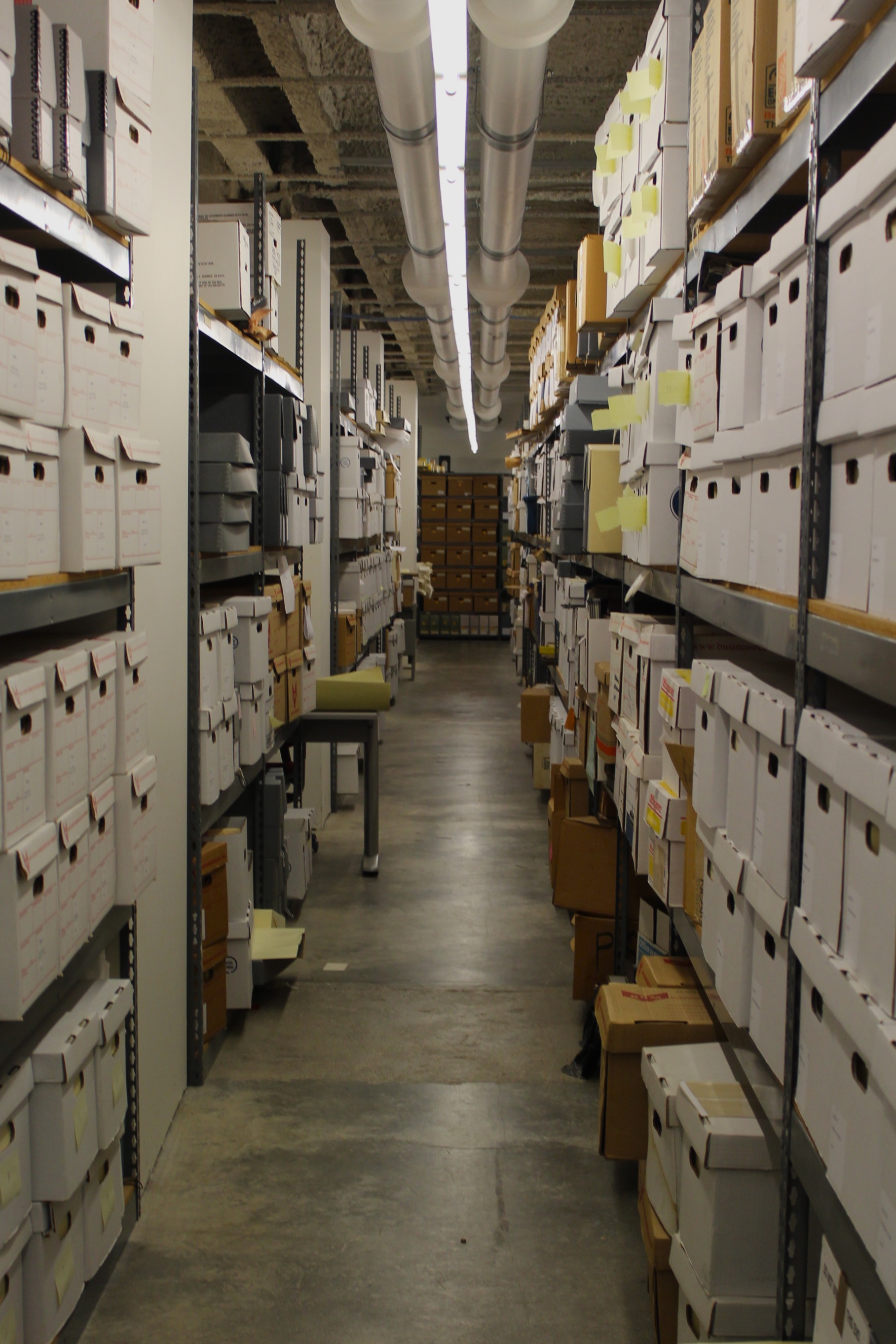
A picture of the stacks at Archives Service Center. Photo by Dakota Rose Kuhn, 2022.
The Schenley Scandal Through the Archives
Unless you’re part of a group that’s scheduled a tour with the archivists at the Archives Service Center, you won’t be able to physically enter the archives—but don’t let that stop you from traversing the University of Pittsburgh Library System Digital Collections or Historic Pittsburgh to discover something fun and factual about historical Western Pennsylvania. You can follow the instructions on the ASC website to create an account, have the archivists pull the materials that you’d like to see, and schedule time in one of their reading rooms. Alternatively, you can use the resources available at your fingertips to explore the archival materials. Beyond the Archives Service Center’s value as a research tool, there are countless exciting stories hidden in the archival materials just waiting to pique your interest. If romantic drama is less your speed, you can always investigate Roberto Clemente’s ties to the local numbers racket, check out the first records of trade to occur at Fort Pitt, or click through original production photos from Night of the Living Dead. With so many collections and secrets to uncover, there is something for everyone. But really, who needs Bridgerton or The Crown when the Archives Service Center has all the local historical drama you need. Let’s travel back through time with the tale of Mary Schenley’s scandalous elopement, the subsequent loss of her inheritance, and how she ultimately got it back just to give it away again.
Mary Elizabeth Croghan Schenley was an heiress and philanthropist whose ties to Pittsburgh have forever shaped the region. She was the doted-on only surviving daughter of Colonel William Croghan Junior and Mary O’Hara. Sadly, her mother died shortly after her birth, making Mary the sole heir to inherit the estate of her pioneering businessman maternal grandfather, Quartermaster General James O’Hara—who made his bones wheeling, dealing, colonizing, and prophesizing that the land he acquired from the Indigenous peoples inhabiting the region now known as Pittsburgh would one day be worth exponentially more.
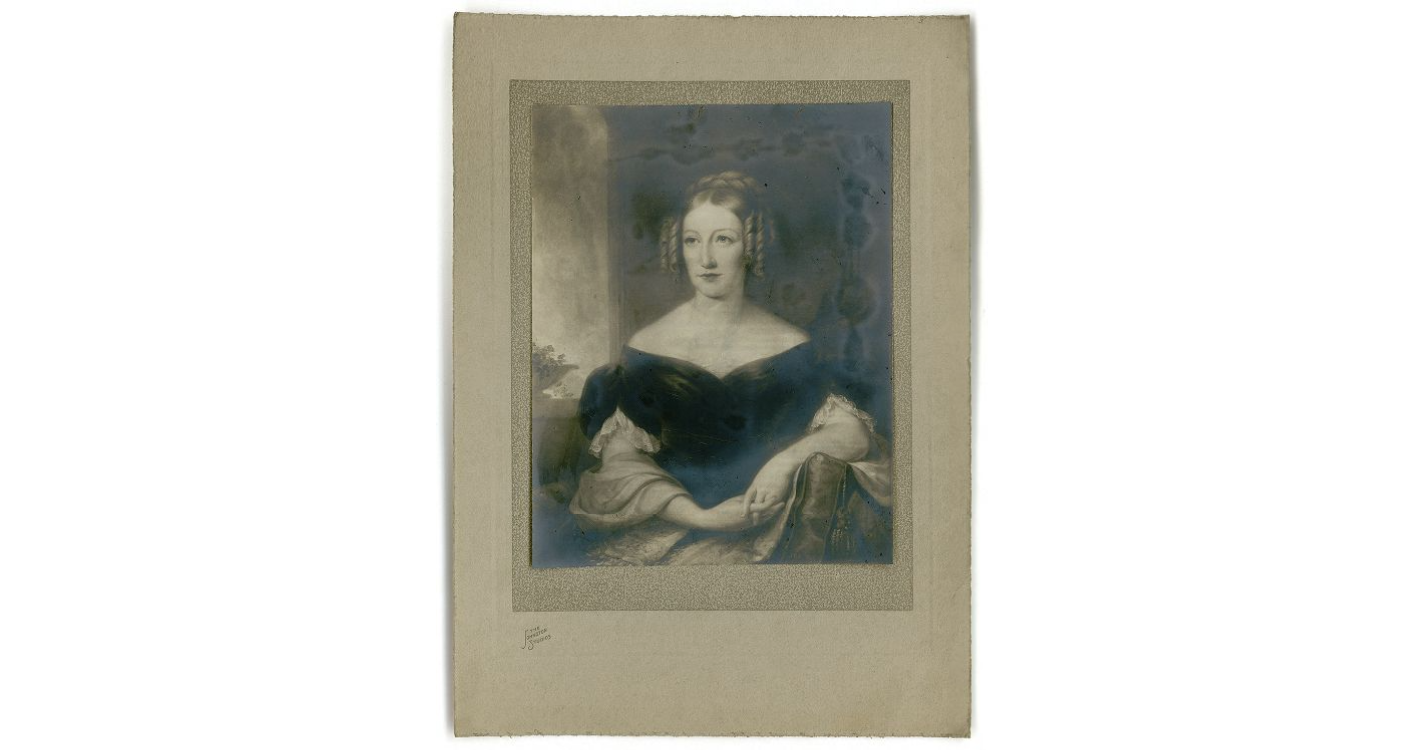
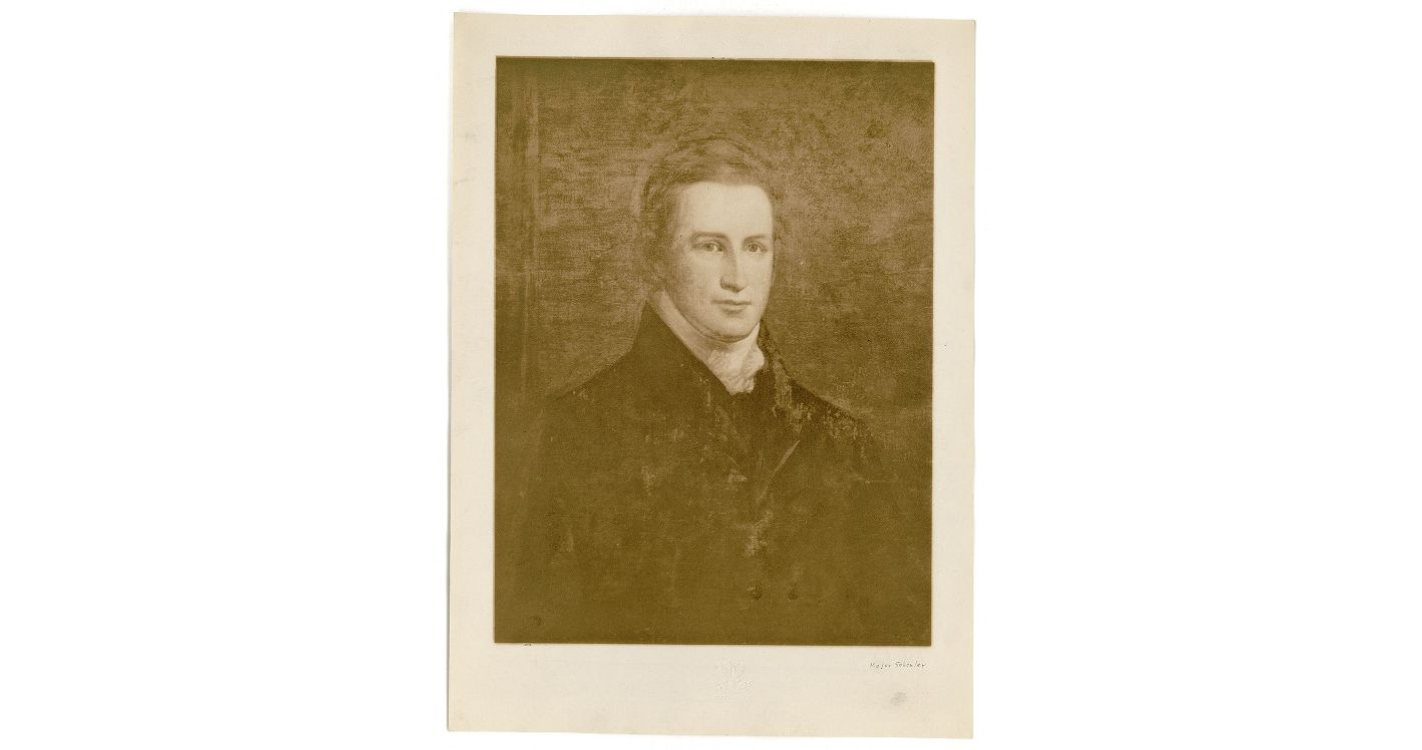
Before becoming known as the woman responsible for much of the development in the Oakland neighborhood, she had been most notable for her elopement with Captain Edward Schenley. Having fallen ill, the forty-three-year-old Captain stopped at a boarding school run by the sister of his deceased second wife so that he could recover before resuming his travels. It was a notable boarding school, exactly the place you’d want to send your heiress daughter to become well educated. Subsequently, while there, he became acquainted with the fifteen-year-old Mary Elizabeth. There has been some speculation as to their precise ages, but theirs was an almost thirty-year age difference, which was shocking even in the mid-nineteenth century. Rumor has it that Queen Victoria refused to have the couple in her court due to the magnitude of the scandal (Krauss).
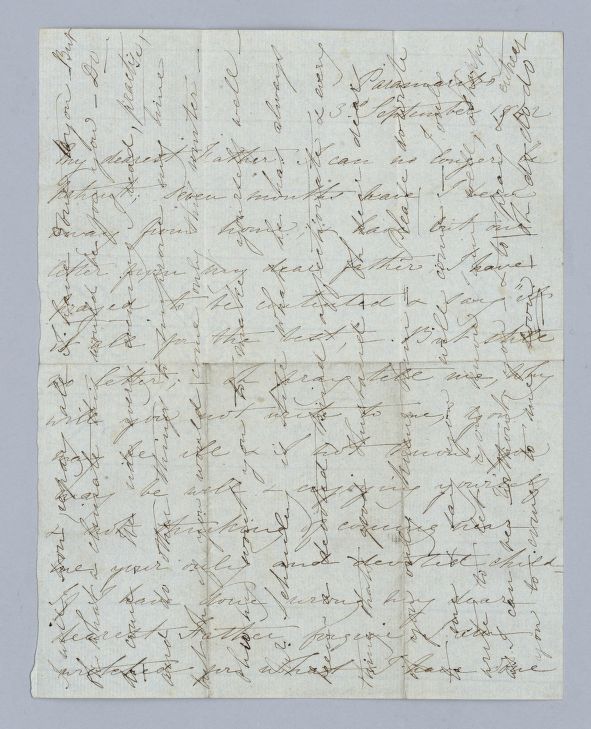
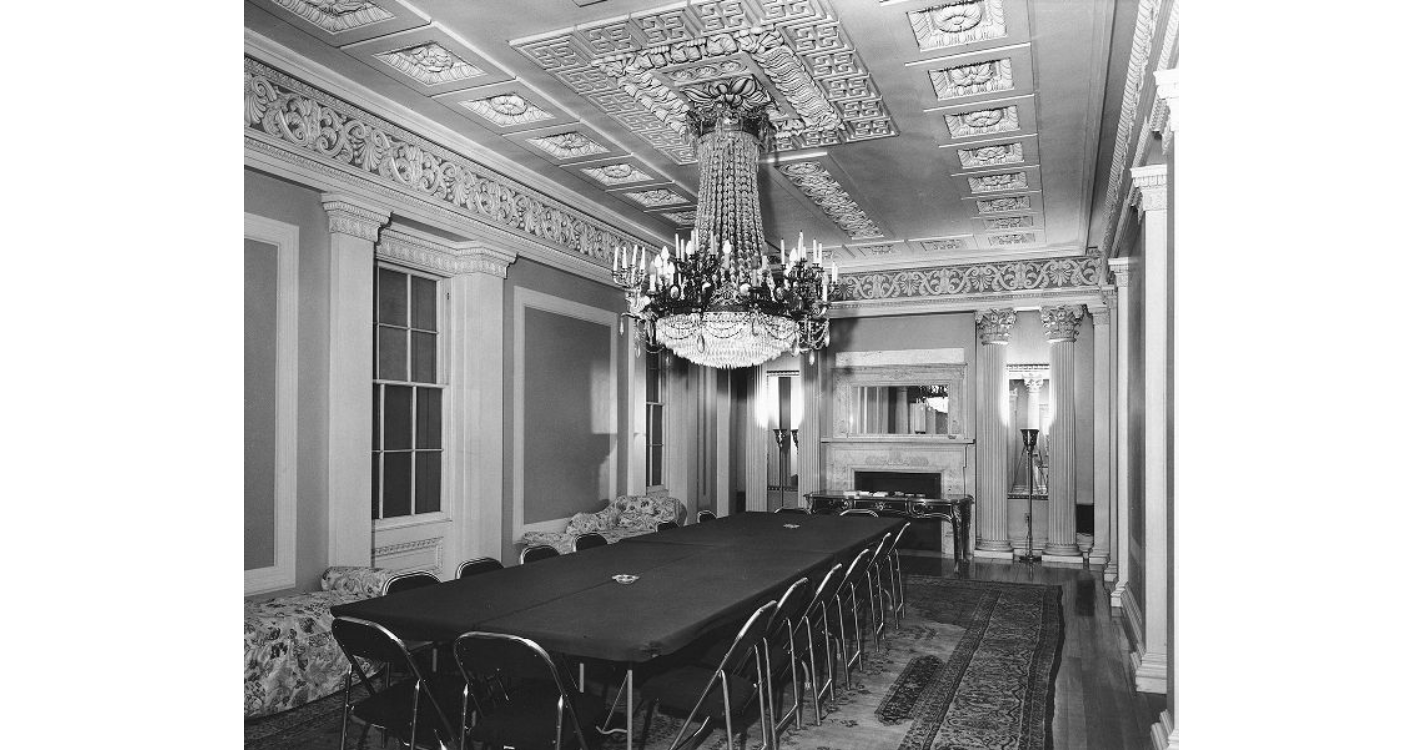
They quickly eloped to England in 1842, much to the disapproval of Mary’s father. The elopement caused such a rift in their relationship that her father ceased communication with her for some time. As is evidenced in a beautiful but difficult to read letter from Mary Schenley to her father, Colonel William Croghan Junior, written in September of 1842, featuring cursive written both horizontally and vertically (Croghan-Schenley) from the Darlington Autograph Collection in the ULS Digital Collections. Colonel Croghan even went so far as to go through the state legislature to formally disinherit Mary and set up a trust for the large estate to prevent her fortune from falling into the already twice-widowed Edward Schenley’s hands (Sneddon). However, after some time (different sources vary on precisely how much time—some say as little as one year while others have put forward that they never reconciled at all), Colonel Croghan reconciled with his daughter and traveled to London, England, to meet his grandchildren. He hoped his daughter and her young family would move back to Pittsburgh with him after their reconciliation, so much so that he built a home for them that he called Picnic House. It even featured an exact replica of a ballroom from their London home, though the ballroom from Picnic House was never actually used by the Schenley family (“Pitt To Dedicate Croghan-Schenley Room”). The room had been preserved from the mansion’s 1945 demolition and is now available for the public to visit as the reportedly haunted Croghan-Schenley Room 156 in the Cathedral of Learning.
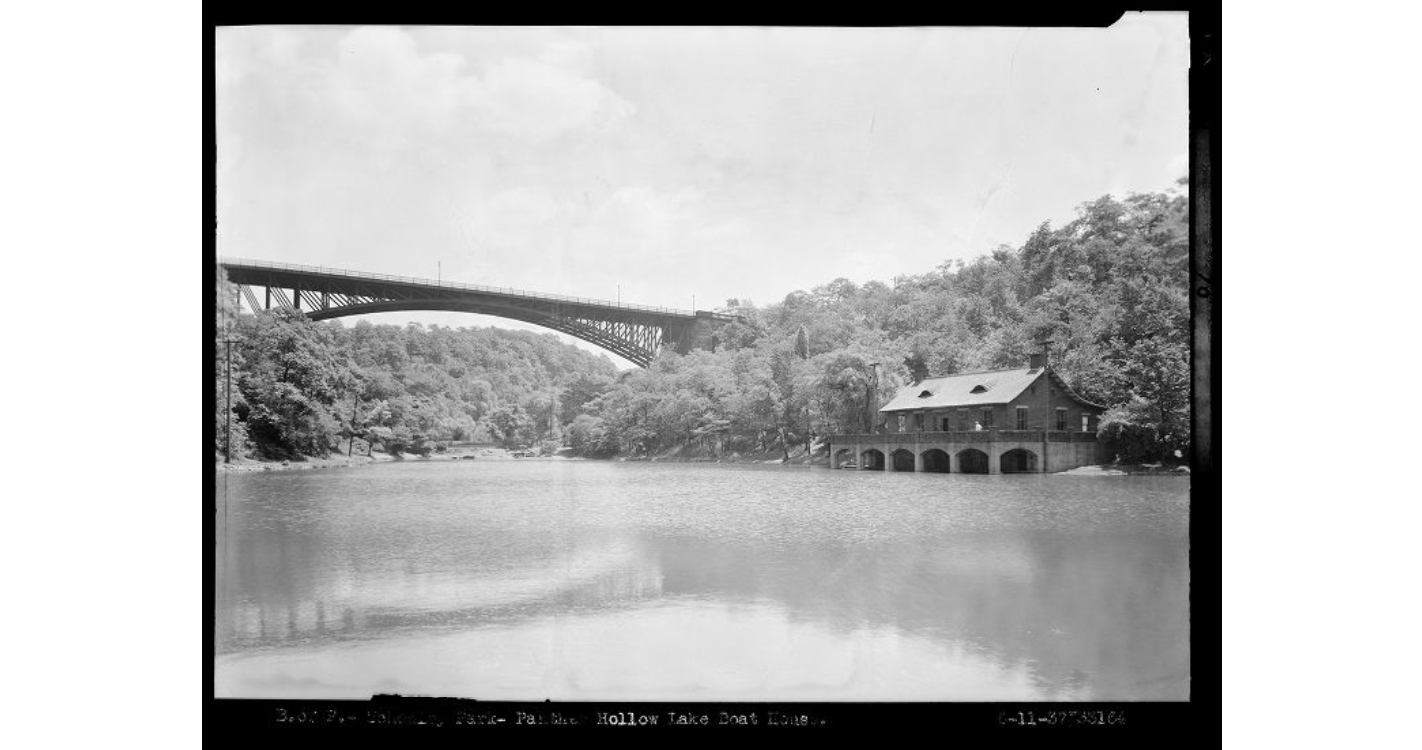
Colonel Croghan died just eight years after Mary’s elopement; after a lengthy legal battle, she was able to receive her full inheritance upon his death. Mary and Edward had a total of eleven children together and reportedly lived happily until his death in 1878. Shortly afterward, she began donating large amounts of land and money to various groups around the city of Pittsburgh. Her most notable donations are the nineteen acres of land given to Andrew Carnegie for the site of the Carnegie Institute (now Carnegie Mellon University, the Carnegie Museums and Music Hall, and the main branch of the Carnegie Library System) and four hundred odd acres that would become Schenley Park. Her only stipulations for the park were that it must bear her married name and that it may never be sold. At the time of her death in 1903, Mrs. Schenley was the largest landowner in all of Allegheny County. Despite her grandfather’s dubious methods of acquiring land, it is fortunate that then-city planner Edward Bigelow had the foresight to preserve Mrs. Schenley’s gift as a public green space for this smoggy little steel town.
The University of Pittsburgh Library System works in tandem with the Archives Service Center to facilitate intellectual exchange, foster creativity and collaboration, and celebrate knowledge (“Our Mission”). There is so much more archival material on the Schenley and the developments of Mrs. Schenley’s properties in the archives that couldn’t be included here (such as an ad for the coffee urns used in the sadly short-lived Schenley Park Casino in J.M. Kelly’s 1895 Handbook of Greater Pittsburg [sic] and it’s first ever artificial ice rink in the United States, photos of the clay test sculpture from the Mary Schenley Memorial Fountain where you can see close up details that you might not notice in person, and over one hundred years of documents related to the evolution of Schenley Plaza). There are countless rabbit holes to find yourself tumbling down; the archives are a veritable do-it-yourself choose your own adventure. With seemingly endless resources and stories, the Archives Service Center awaits you.
Works Cited
“Cathedral of Learning Conference Room.” ULS Digital Collections, University of Pittsburgh, Pittsburgh, PA, https://digital.library.pitt.edu/islandora/object/pitt%3ACTL038.UA.
Croghan-Schenley, Mary Elizabeth. “Mary Croghan Schenley to William Croghan Jr.” ULS Digital Collections, University of Pittsburgh, 3 Sept. 1842, https://digital.library.pitt.edu/islandora/object/pitt%3A31735060226978.
Krauss, Margaret J. “The Runaway Romance of Mary Schenley.” 90.5 WESA, 13 Feb. 2015, www.wesa.fm/archives/2015-02-13/the-runaway-romance-of-mary-schenley.
“Major Schenley.” ULS Digital Collections, University of Pittsburgh, https://digital.library.pitt.edu/islandora/object/pitt%3ADARIMG1315.
“Mrs. Schenley.” ULS Digital Collections, University of Pittsburgh, https://digital.library.pitt.edu/islandora/object/pitt%3ADARIMG1314.
“Our Mission.” ULS Digital Collections, University of Pittsburgh, digital.library.pitt.edu/About-Us.
“Panther Hollow Lake Boathouse.” ULS Digital Collections, University of Pittsburgh, https://digital.library.pitt.edu/islandora/object/pitt%3A715.3733164.CP.
“Pitt To Dedicate Croghan-Schenley Room.” ULS Digital Collections, University of Pittsburgh, https://digital.library.pitt.edu/islandora/object/pitt%3Apittpressreleases19820022.
Sneddon, Jeffrey. “Histories & Mysteries: The Name Game — O’Hara, Schenley and Frick Stand out for Regional Importance, Generosity.” The Ledger, 18 Jan. 2020, www.timesonline.com/story/lifestyle/around-town/2020/01/18/histories-mysteries-name-game-8212/1874902007/.