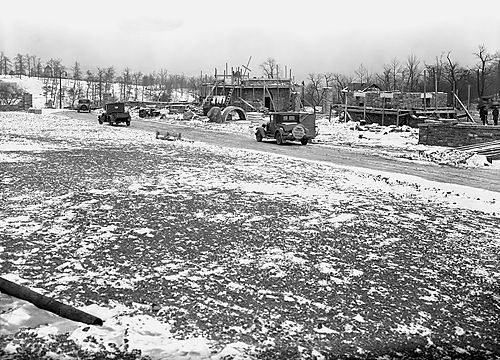
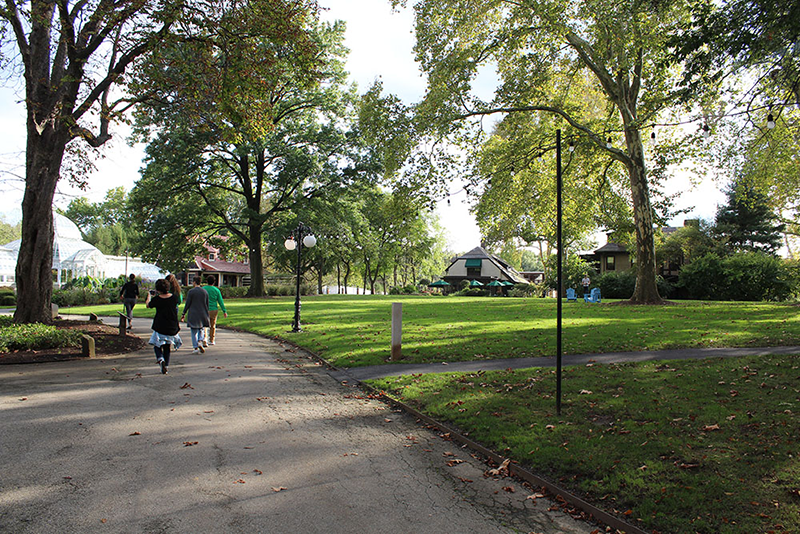
Frick Park.Pittsburgh City Photographer, Historic Pittsburgh Site
The Fun Frick
Frick Park began as everything else, an idea that would eventually take form in one of Pittsburgh’s biggest and most loved recreation areas. The original and most famous benefactor of Frick Park was Henry Clay Frick. The park holds his namesake along with his daughter, Helen Clay Frick. Henry Clay was a notorious and determined industrialist, who torched his name in the business history books of the United States. Frick started out as a coal baron, eventually selling his coal to Andrew Carnegie. Which lead to the famous Frick-Carnegie friendship that would form the Carnegie steel company, the precursor to U.S Steel. Even after Carnegie sold his business and retired from the business world altogether, Frick went on to distinguish himself in the world of U.S capitalism by influence and respect. Frick was greatly criticized for the way he handled the Homestead strike, which resulted in casualties on both sides, the strikers and the Pinkertons, who were there to crush the rebellion. The strike set in a motion a chain reaction that would eventually result in the demise of the Carnegie-Frick business and friendship. Nonetheless, as history shows, the Homestead strike only tarnished Frick’s reputation for a short time in the eye of the public during the time; as many sided with his rationale and opposed the violence of the strikers. Although Henry was such a prominent and famous businessman, family was still important to him, which is where Helen comes into the story.
Although Henry and his wife had two daughters, only Helen survived to adulthood. Helen had grown up in Pittsburgh, in a house that still stands today, in Point Breeze and is known as Clayton. Frick was raised in a home in which every week day was a business day, and by a father whose only leisure was collecting art, she became fond of the nameless and untamed woodlands around their home. She was a nature lover, rode a mare named Patricia, and cared for her dog, Fido.
On December 1908, her father had scheduled a debut to present Helen to socialites in New York City, in the Vanderbilt Picture Gallery. All the most prominent and wealthiest families of the area were invited, the Rockefellers and Vanderbilts to name a few. Teenage Helen interpreted this as though she were being put on the market. Not wanting to be indebted to a “contract marriage”, Helen boarded a train with her mother bound for Pittsburgh. Rebellious Helen didn’t want to yield to her father’s expectations nor to what society expected of her, instead forged her own path. Once in Pittsburgh, Helen devised her own coming out party, sent out her own invitations, and scheduled it on her mother’s birthday, December 16, 1908. It was during this more intimate Frick family celebration that the idea for Frick Park originates (Sanger).
Over the years, the park grew from the original land in Point Breeze and now extends from Squirrel Hill to the border of Edgewood. It is one of the few areas of the city that Helen helped develop, forming a nature reserve of native plants and abundant wildlife. Owls, amphibians, wild turkey, fox, and many mammal species are found in the park. Steep ravines and mature woods make up much of the parks interior, allowing for a recreation not generally associated with the park, mountain biking.
The park features miles of walking trails through steep valleys and wooded slopes, playgrounds, baseball fields and soccer fields. The park also includes a lawn bowling green, which is a similar game to bocce ball. Many of Frick Park’s original features still stand today, including the clay tennis courts, the only public red clay courts in the western half of Pennsylvania. The most recent major expansion of the park occurred in 1996, when more than 100 acres were added as part of the conversion of an industrial waste heap into a residential community known as Summerset.
At 641-acres Frick Park is the biggest park in Pittsburgh, providing thousands of Pittsburghers with a huge area for recreation. Frick offers about fifteen miles of single track trails, where a biker can ascend or descend about a thousand feet of vertical. The elevation Frick has to offer makes it the best place in Pittsburgh to go riding on a bike, for someone who is a thrill seeker. This is a mountain biker haven for someone living in the city who just wants a quick ride in either the morning before work or in the evening after. The trails are maintained by a core group of Pittsburgh bikers who are very dedicated to keeping the trails clear and rideable. Over the years bikers have formed four main trails, Iron Grate, Roller Coaster Meadows, 319 and Bradema. Each offers a unique set of obstacles and features that can accommodate all skill levels. Roller coaster is full of ups and downs, logs rolls, jumps and a bridge crossing. Bradema offers platform drops, tight switchbacks, and even a stream crossing. Some of the more exciting features on the trails include triangle roll overs made on top of fallen trees too big to remove, a switchback into a jump, a four foot drop off a wooden platform and many more. If you’re someone who finds fun and excitement in catching some air, going fast, rolling over logs and hitting features on your bike, Frick park is a must. People ride in the park at night with head lamps, in the winter and the heat of summer. Given that the trails are normally on steep hill sides, that are full of slag, the trails tend to stay fairly dry. Although Henry and Helen probably wouldn’t have ever ridden bikes in Frick park, the mountain biking aspect of it, compliments Helens vison of the park. Helen wanted a place where children could play and enjoy nature, which is what she got, inconsequence the park attracts adults still trying to have some childish fun. Henry Clay Frick was a pragmatic man and like for things to be utilized, mountain biking utilizes space that is otherwise too steep to build on. Frick Park is a lasting legacy of both the Fricks and is one of the most popular urban parks in the United States.
Fun Facts:
1. The original park on consisted of 150 acres, which Frick personally owned
2. Nine Mile stream which runs through the park is a restored watershed, which is seeing a comeback of fish and plant life.
Works Cited
Sanger, Martha Frick Symington. Henry Clay Frick: an intimate portrait. New York: Abbeville Press Publishers, 1998.