Alternate Histories Studio
Humor’s Role in Inclusivity
Humor is something that is so intrinsic to the human existence. People want to laugh; they want to feel good and lighthearted. Jokes, funny pictures, stories, and so on, are littered throughout history. Ancient drawings and written texts are filled with moments that made people feel so good that they chose to immortalize them. People constantly turn to humor to make life better, or more easily understood. Many people view humor as a polarizing entity, separating those who get it from those who don’t. In actuality, humor is a very inclusive thing, bridging gaps between people by acknowledging the differences between them and recognizing them as necessary. In an article by Jonathan P. Rossing, published by the Pennsylvania State University Press, entitled “A Sense of Humor For Civic Life: Toward A Strong Defense for Humor”, he explains how humor is important for social bonds because it demonstrates “the know-how for ethically navigating the contingencies of life” (Rossing 3). Humor is a tool that those in society use to create strong bonds, fortifying the sense of community amongst them.
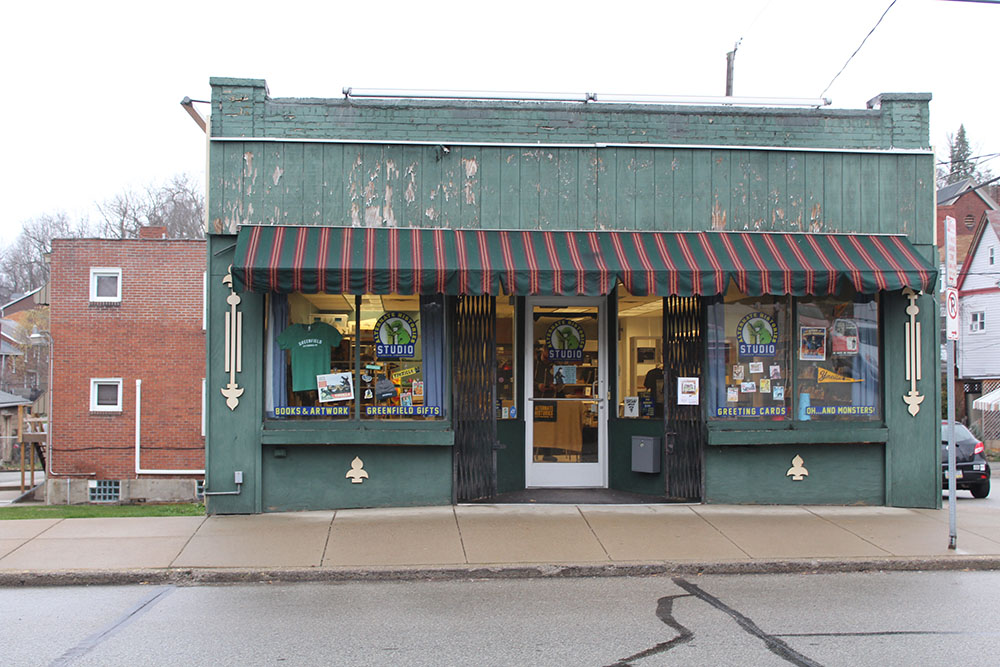
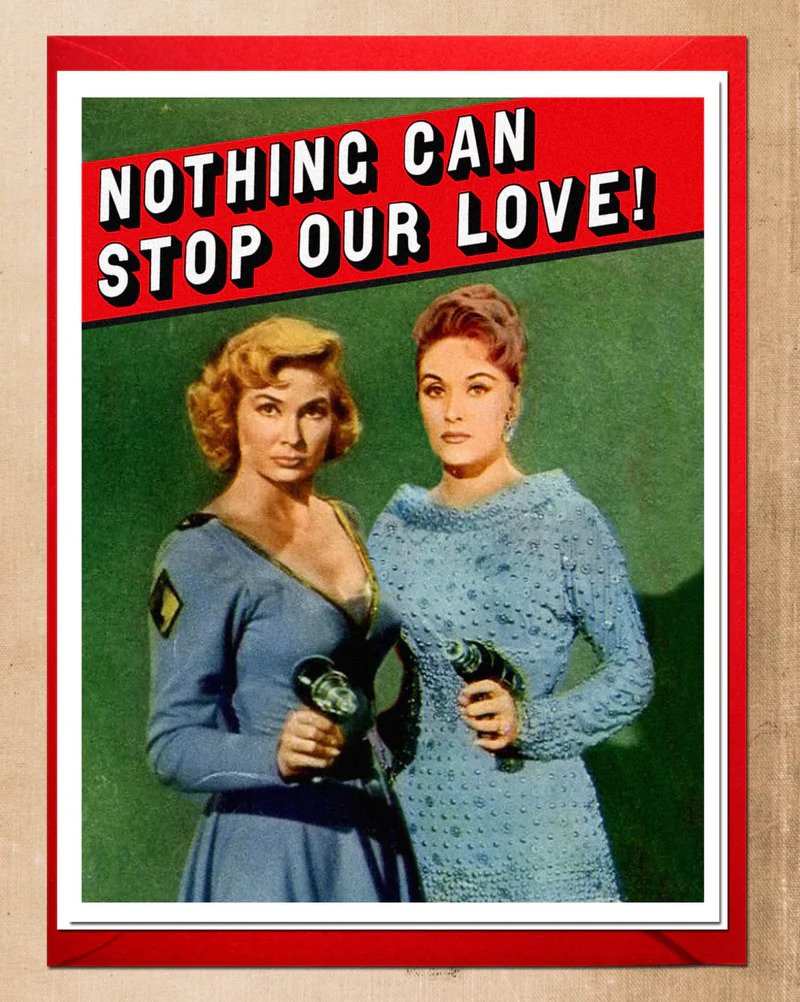
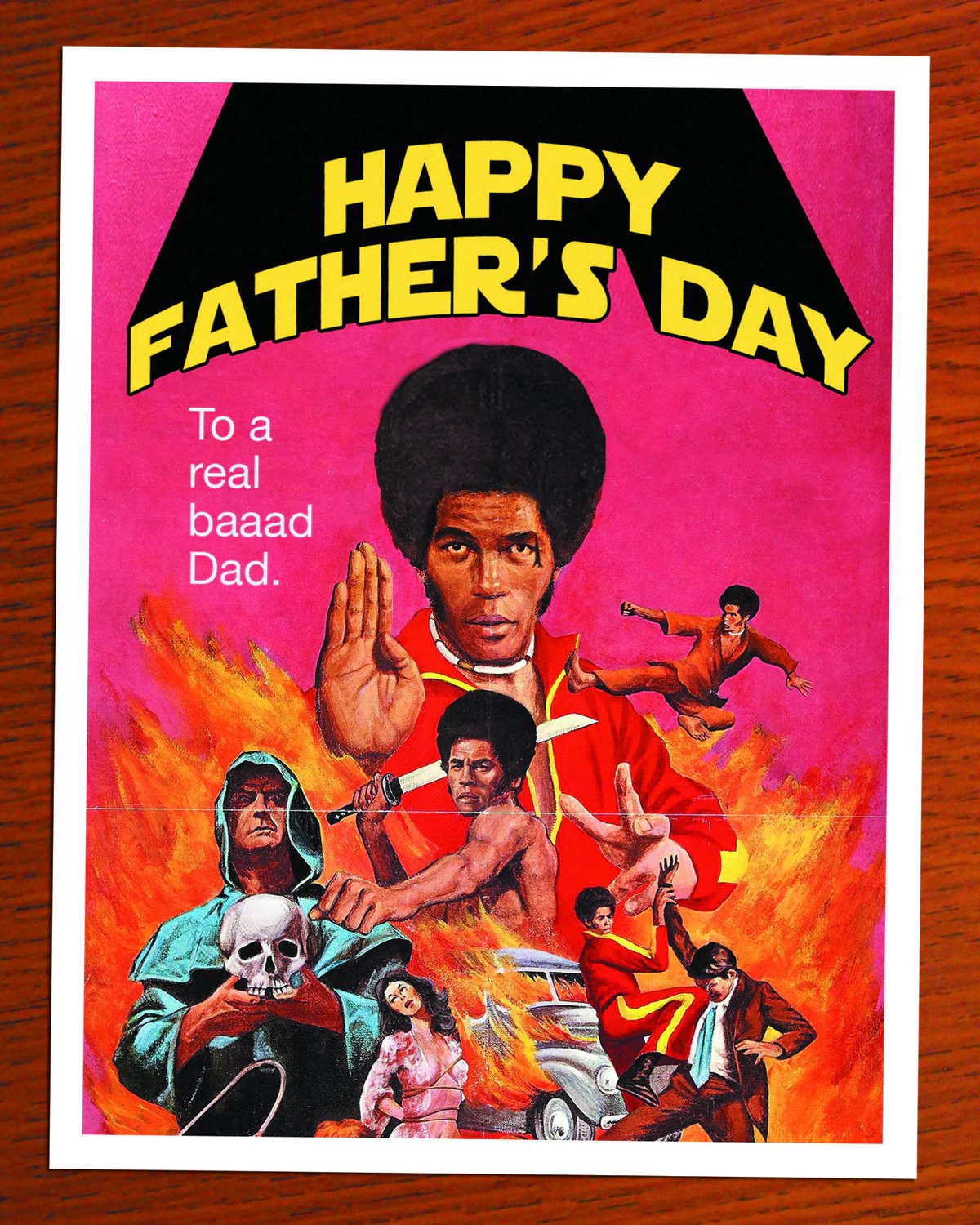
The artwork of Alternate Histories Studio in Greenfield captures this intersection of humor and inclusivity in a very interesting, fun way. The work features a lot of humorous elements. It is filled with monsters, zombies, dinosaurs, and so on, terrorizing the world. These creatures are seen in vintage photographs, coming out rivers or marching across the landscape, or are seen in drawn images that warn the viewer to “Flee America!” because it is plagued with these terrifying monsters. These images also feature people and groups that are rarely seen in mainstream art. For example, Matt Buchholz, owner and artist of Alternate Histories Studio, makes a point to feature people of color in his work. They are seen on the front of greeting cards that are wishing the recipient a various number of well wishes, or they are on posters, defending themselves from monster attacks. This is incredibly important because with major businesses, like Hallmark, people of color are almost never found amongst the artwork. Another group that faces similar neglect from major corporations is the LGBTQIA+ community. Many non-straight couples have found a home in the artwork of Alternate Histories Studio. Through Buchholz’s work, people are able to exchange Valentine’s Day cards that reflect what they look like as a couple, only in it, they have laser guns pointed at an unknown threat, promising that their love can survive the threat of zombie invasions and the most gruesome of monsters. Buchholz said himself that he works to create an inclusive space, which is reflected by the inclusivity in his artwork.
Almost all of Buchholz’s work contains a humorous element. Since much of his work can, sadly, be seen as polarizing because some in society do not believe in the inalienable rights for all people, humor in the art is used to build a sense of community in spite of those actively trying to divide people. For many groups, they are finally seeing themselves reflected in work, finally included in something that they have been separated from for so long because of their race or who they love. The humor in the images adds to the image itself because it “both calls attention to the status quo and disrupts dominant norms of behavior and systems of knowledge” (Rossing 11). The humor in the images reaches people in a way that many other things cannot, drawing them in and inviting them to acknowledge the differences in people and accept them.
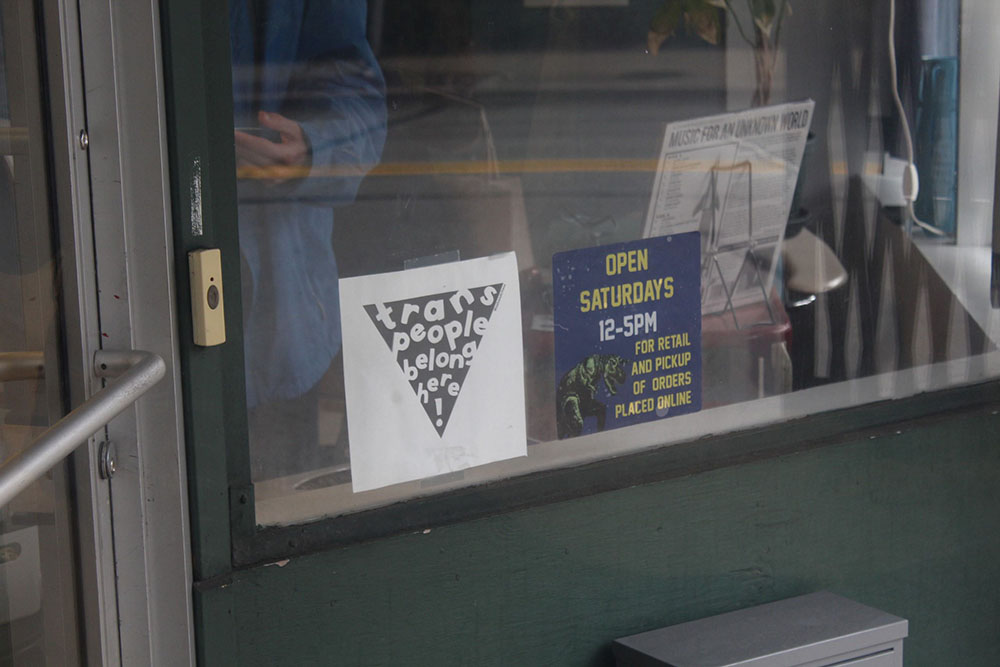
The physical space of the studio itself also creates a sense of inclusivity. When discussing the physical space, there are many aspects that add to the inclusive feel. The first is a sign on the door that reads “trans people belong here!”. In the current political climate, this is, sadly, an extremely polarizing statement. Around the world, trans people face horrific discrimination and violence for simply being who they are. They are excluded from many spaces because they choose to live as their true selves. Buchholz posted this sign on the front of his business as a way of declaring his space as an inclusive one for all people. Alternate Histories Studio is a welcoming and safe space for all people, including one of the most targeted demographics of people in the world.
Another aspect of the space that encourages inclusivity is the open concept of the space. When inside, it is a smaller space; a very intimate space where the back of the shop that doubles as a studio and a prep area is exposed to the patron, inviting them to see something that they normally shouldn’t. Using physical space in this way makes it more inclusive because it is welcoming people into the space and making them feel as if they belong to it and are invited to see it all.
Alternate Histories Studio also acts as a space where other local artists can sell their own work. Buchholz has explained that he will sometimes allow his space, either in the shop or at a booth at a crafts fair in the neighborhood, to be a place where other artists can sell their work and get their name out there, while also making money off of their hard work. This connects to the idea that Alternate Histories Studio is an inclusive space because it is building a bridge for people within the community and giving opportunities to those who may not have had them otherwise. The idea of community itself is about creating a space in the world where people can freely be themselves and rely on those around them for help if need be.
Alternate Histories Studio in Greenfield is the intersection of humor, history, and science fiction. Through the artwork and the physical space itself, it creates an inclusive space within the community. The art is a positive addition to the community and world not only because of the talent and the creative nature, but also because of the humor that it offers and the focus on including those who are so often pushed aside by society. It calls attention to the differences that exist between all people, but in a way where people can acknowledge them and accept them. While within the physical space of the studio, one feels the overwhelming sense of welcoming and belonging, being invited into a world that accepts all people. In an increasingly polarizing world, community pillars such as this are absolutely necessary in continuing to bridge people together and create social bonds that cannot be broken by outdated, dangerous ideologies.
Works Cited
Rossing, Jonathan P. “A Sense of Humor for Civic Life: Toward a Strong Defense of Humor.” Studies
in American Humor, vol. 2, no. 1, 2016, pp. 1–21. JSTOR,
https://doi.org/10.5325/studamerhumor.2.1.0001. Accessed 7 Apr. 2023.