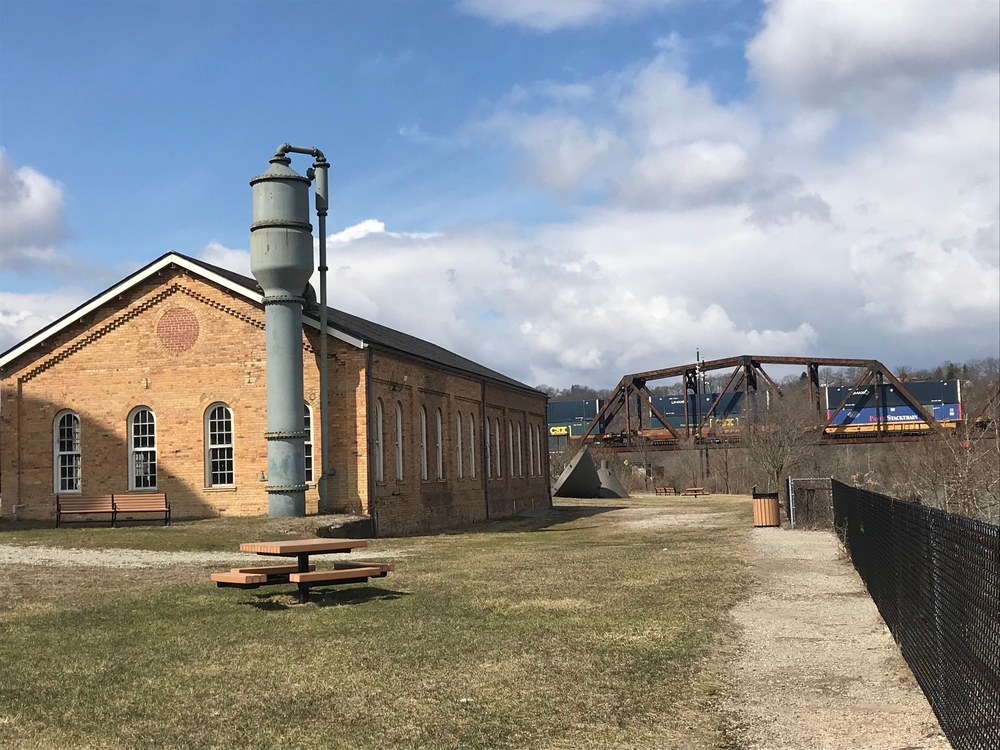
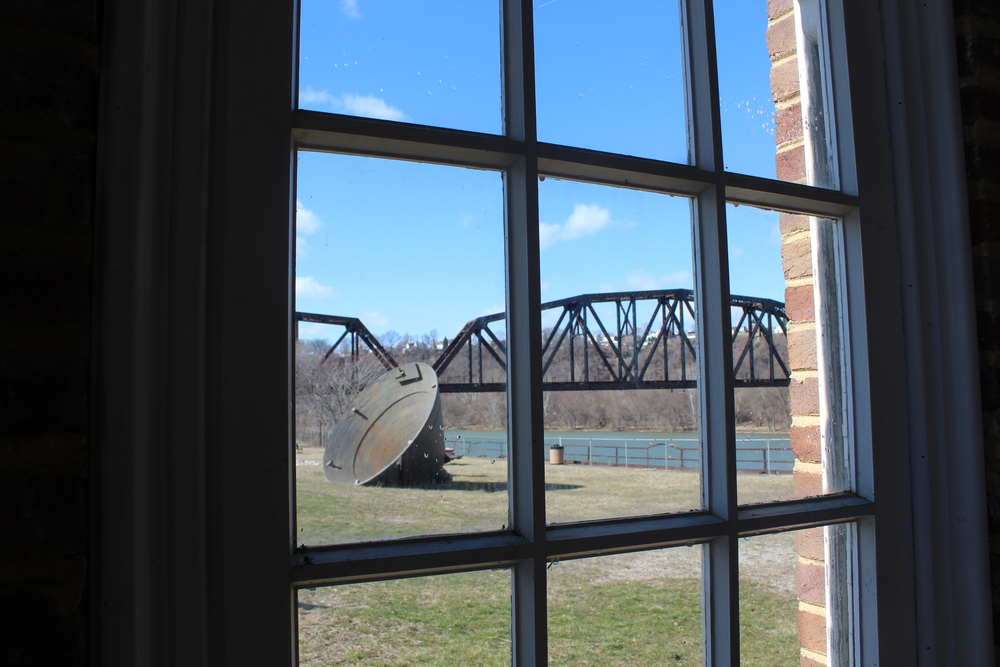
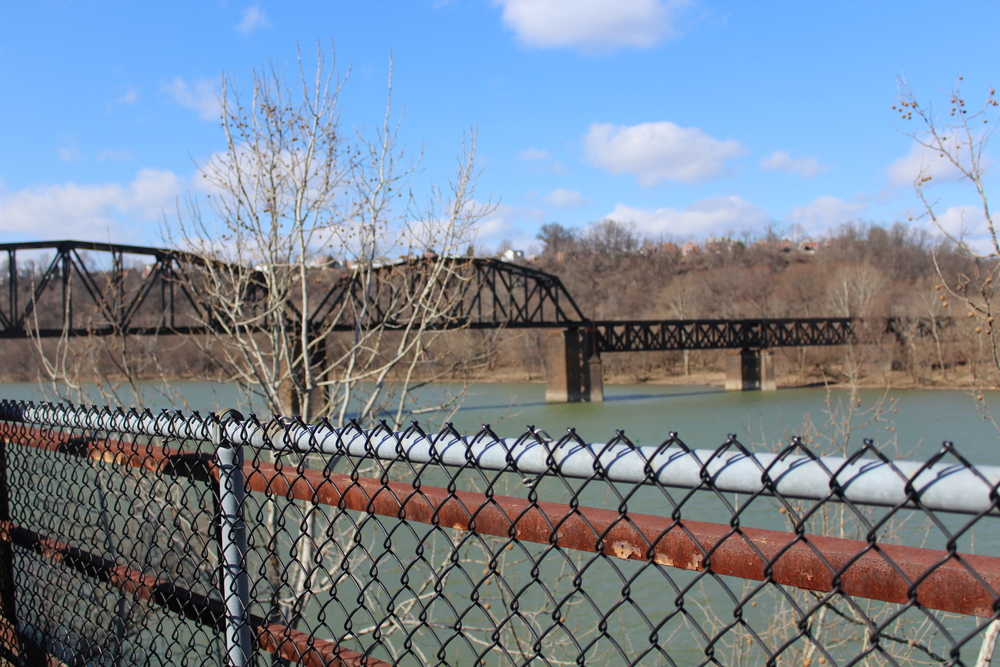
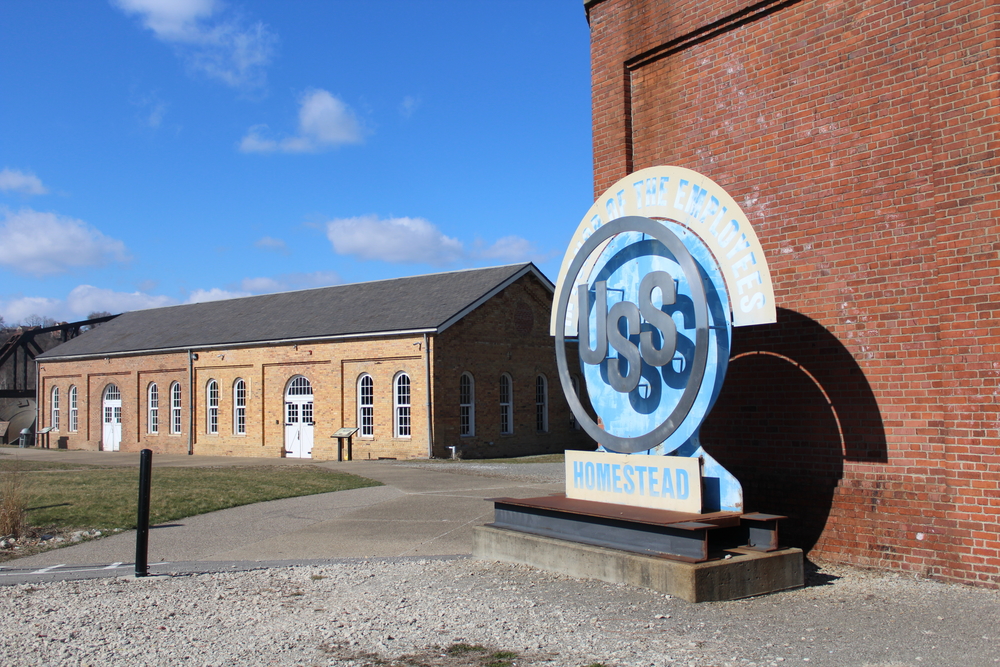
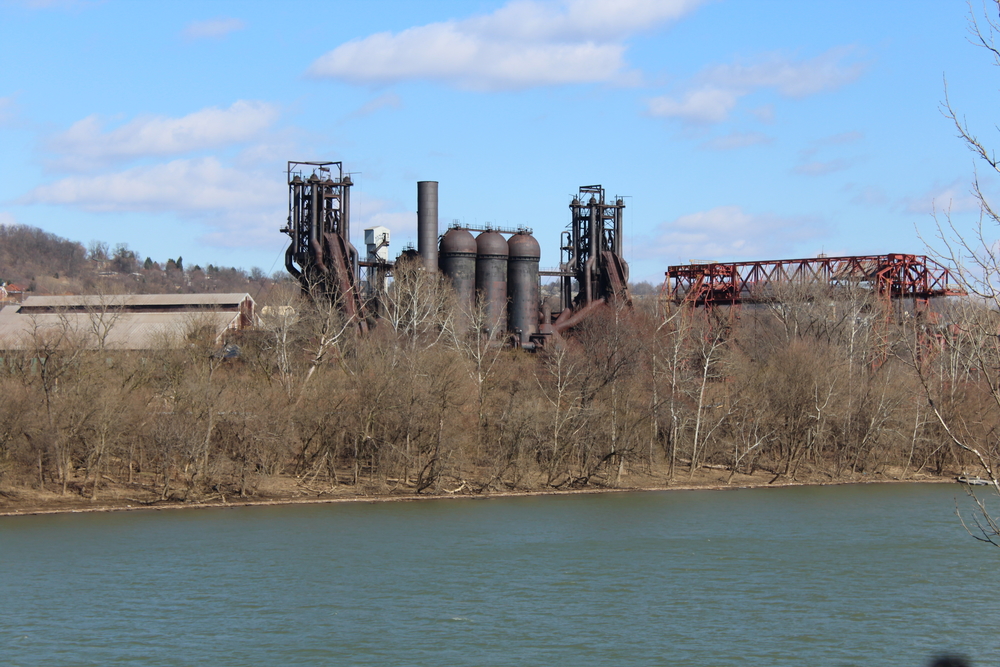
Historic Homestead Pump House, maintained by Rivers of Steel. Photo by Madeleine Henrie
Homestead Pump House
Location Information
Address: 880 E Waterfront Dr, Munhall, PA 15120
Hours: Dusk til Dawn
Tours available
Website: Visit website
Admission: Free
Transportation: Car (parking available)
Access: Outdoor trail
The Pump House was an essential feature of the Homestead Steel Works. In fact, pump houses were essential to all steel mills in the Monongahela Valley. The rivers of Pittsburgh were harnessed through pumping mechanisms to help cool and transport materials for the massive industrial works. The historical significance behind the Pump House is tremendous. In addition to being near the location where generations of Homestead Steel workers would collect their wages, it is the site of one of the deadliest labor confrontations in US history. In 1892, unionized steel workers in Homestead went on strike for better pay and improved working conditions. With increased aggression, mill operator Henry Clay Frick brought in private Pinkerton soldiers to protect the mill. On the morning of July 6, Pinkerton soldiers crossed the river on barges to the site where the Pump House still sits, only to be met with outrage from the community of Homestead. The strike eventually lost momentum, resulting in a loss for the strikers. Today, the Homestead Pump House symbolizes the foundations of Pittsburgh’s steel industry: dependency on rivers, mechanized power, and the steel workers of Pennsylvania. Like the materials manufactured and refined in the Homestead Works, the Monongahela River itself was constantly being tamed by the men who produced Pittsburgh’s gold: Steel.
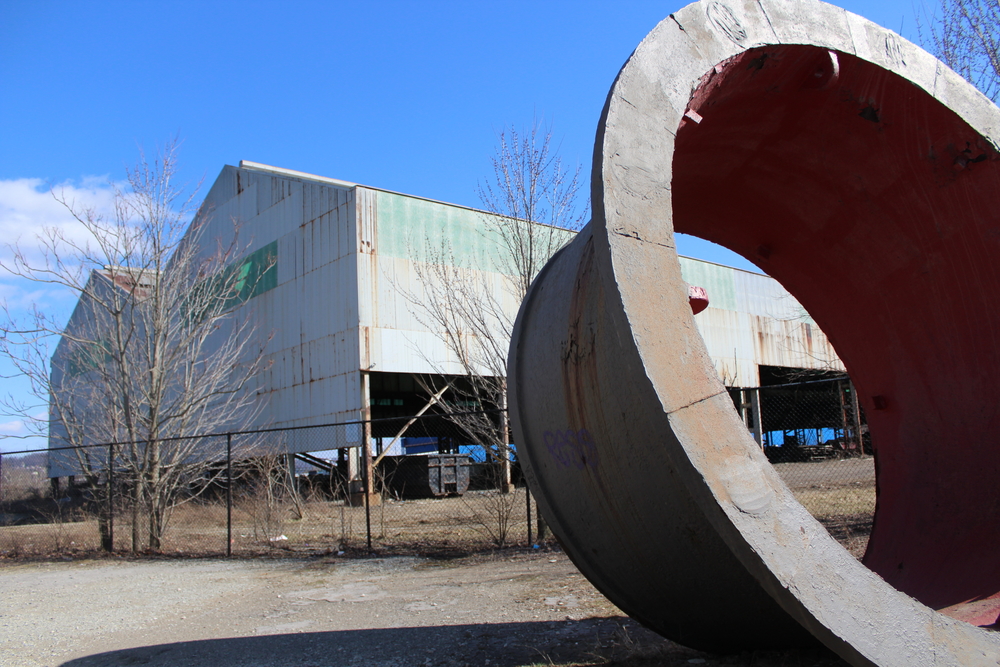
The Homestead Pump House is of the last remaining structures from the Homestead Steel Works. Today, the site is maintained by a non-profit organization committed to preserving Pittsburgh’s steel history. This organization, Rivers of Steel National Heritage Area, has used the pump house to help educate the community about the history of Homestead now that much of the steel industry is gone. Aside from scattered industrial equipment, now enshrined as art installations in the Waterfront Mall of Homestead, the Pump House and retired smokestacks mark the general expanse of the Homestead Steel works. Thanks to the organization, Rivers of Steel, visitors to Homestead can walk the path of industrial history from one end of the Steel Works site to the other. The path is part of both the Steel Valley Trail and the larger Great Allegheny Passage which extends as far as Washington D.C. After traversing the Rivers of Steel path, visitors may continue along the trail to visit other sites of Pittsburgh’s historic steel industry or enjoy the river scenes on foot or by bicycle. The trail head is located at the Homestead Pump House site.
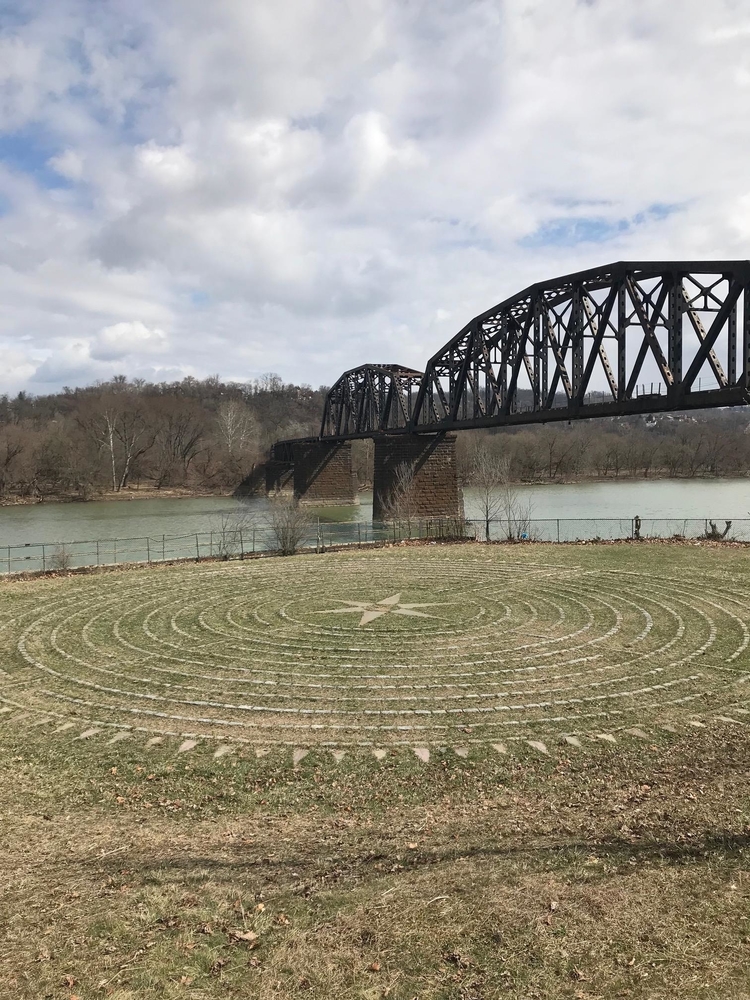
The Pump House also serves as a modern art center. On site there is an artistic steel sculpture that represents the struggle of steel workers during the late 19th and early 20th centuries. There is also a public art Labyrinth, created by Lorraine Vullo in 2009. The labyrinth serves as a memorial to those who died during the Battle of Homestead, and is intended to be a meditative space for visitors. The labyrinth is made up of more than 250 stones, all labeled with names of regional steel mills and blast furnaces. The Pump house is a portion of the Homestead Works Tour Loop hosted by Tour Anytime. This tour includes an in-depth history of the Homestead works area and the Carnegie Steel Mill that once was the gem of the steel city. You can hear a guided tour on your phone 24/7 by calling the number: 412-254-2154. Visit the Tour Anytime website for the map of the the guided phone tour sites. The Pump House building is also now a space that can be rented out for weddings, beer and wine tastings, and any other events you may like. Reach out to the Rivers of Steel Heritage Area to talk prices and schedule events.