Secret Pittsburgh Locations
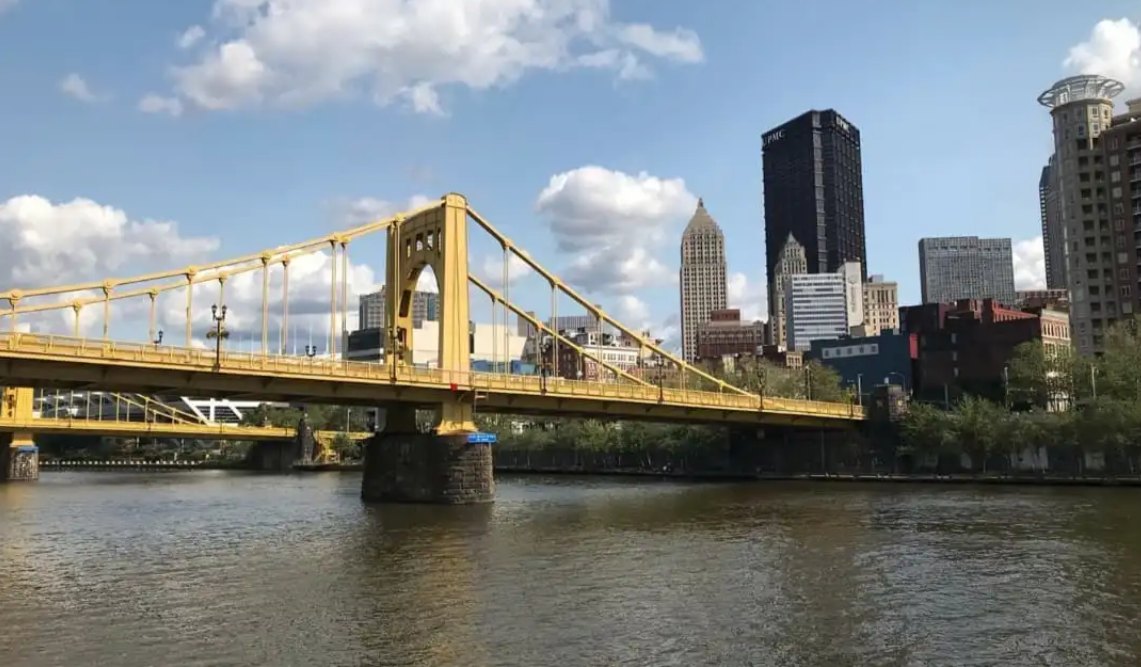
The “Secret Pittsburgh” Literature class invites University of Pittsburgh students to explore unusual or hidden spaces of the city, including “secret” spaces within well-known landmarks.
No locations match your search.
820 Liberty Gallery
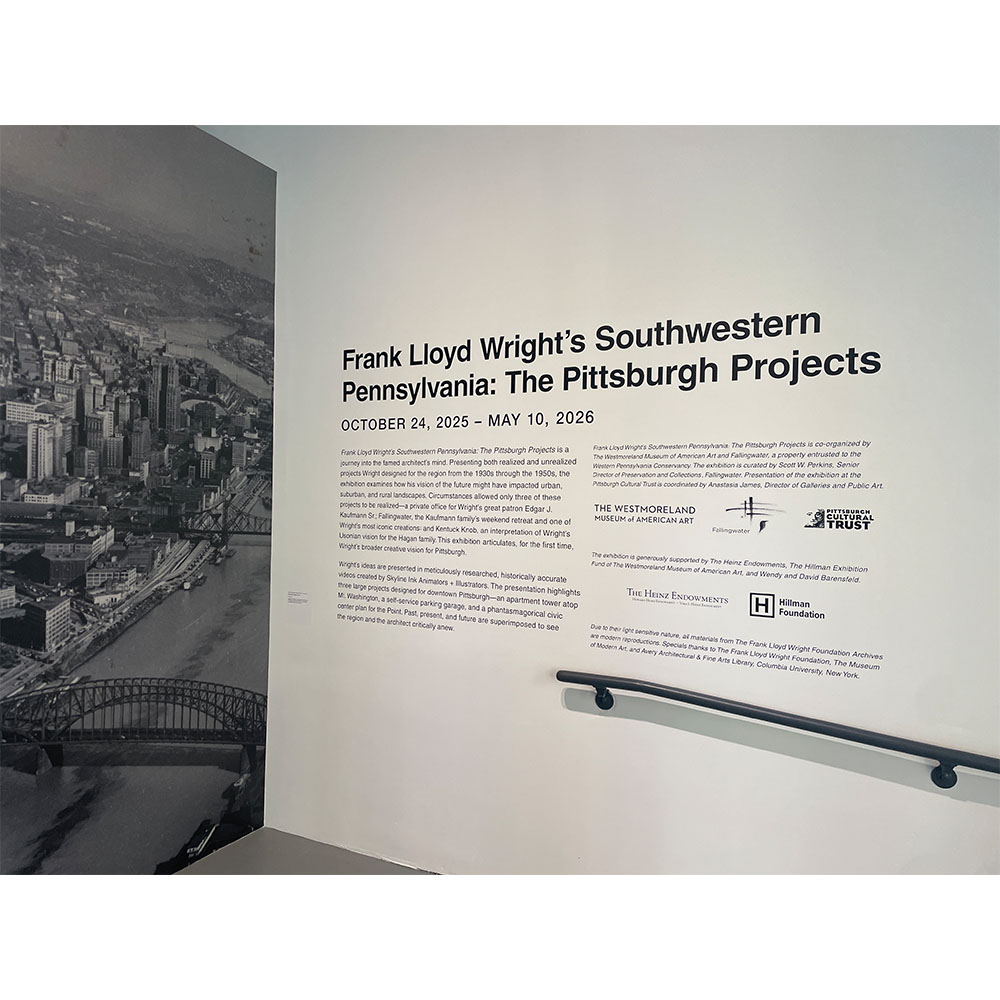
820 Liberty Gallery aims to showcase contemporary art, highlighting Pittsburgh-based and other emerging artists. Past exhibits focus on a diverse range of identities, focusing on womanhood, (e.g., Melike Konu: Women I’ve Been), disability (e.g., VaultArt Studio’s Life is Nice but Odd and Strange at the Same Time), and race (e.g., BOOM Concepts’ BLACK ON BLACK LOVE). The current exhibit, Frank Lloyd Wright’s Southwestern Pennsylvania: The Pittsburgh Projects, open from October 24, 2025 to May 10, 2026, explores Frank Lloyd Wright’s numerous collaborations with Edgar J. Kaufmann, a civic-minded department store mogul who first hired him to design a private getaway, and later commissioned him to design company spaces and then to help envision a revolutionary transformation of industrial Pittsburgh.
Address: 820 Liberty Avenue, Pittsburgh, PA
Access: Contact Customer Service at 412-456-6666 for more information about accessibility. The gallery entrance is level with the raised sidewalk. Sidewalks have accessible ramps to street level at bothends of the block. The adjacent Smithfield Street parking garage also has a street-accessible ramp.
Ace Hotel Pittsburgh
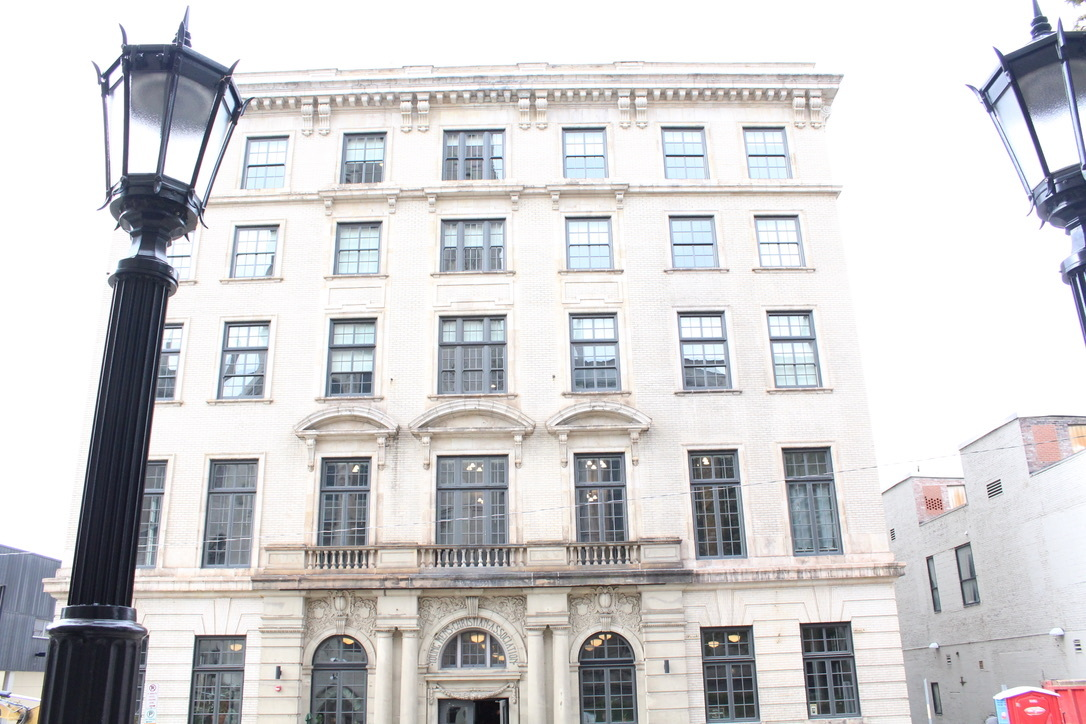
Ace Hotel is a global hotel chain. There are currently 10 locations including the one in Pittsburgh. Although the Ace Hotel is a chain, each location’s design is unique and is inspired by the city it is in.
Address: 120 S Whitfield Street Pittsburgh, PA 15206
Access: Uneven floors, elevators only accessible to guests
Alcohol House
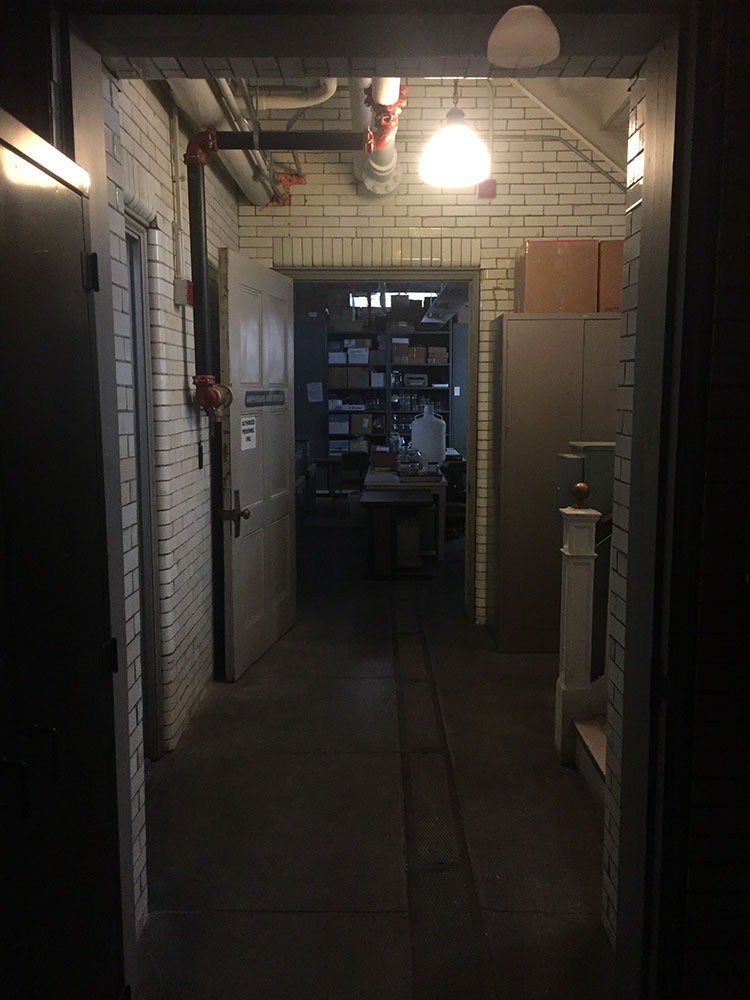
Nestled under the towering dinosaurs on display in the Carnegie Natural History Museum, a room exists which holds more specimens than for view to the public in the whole rest of the museum. You can find its entrance just beyond a quaint office space to the left of the portal entry behind the museum. Quickly making its presence felt with a strong smell of ethanol, its initial dark corridor gives off an eerie vibe.
Address: 4400 Forbes Ave, Pittsburgh, PA 15213
Access: Need to schedule appointment
Allegheny Cemetery
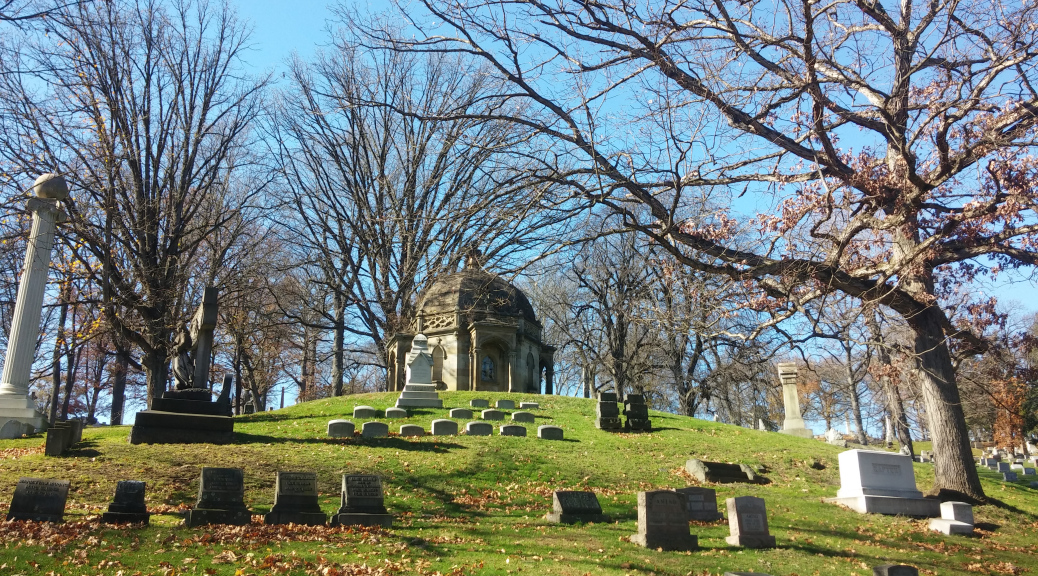
Stretching 300 acres between the neighborhoods of Lawrenceville and Bloomfield are the sprawling grounds of the Allegheny Cemetery. Since its first interment in 1845, this expanse of rolling hills, ponds, and trees has become the final resting place of over 124,000 people.
Address: 4734 Butler St, Pittsburgh, PA 15210
Access: Outdoors, handicap accessible
Allegheny County Courthouse
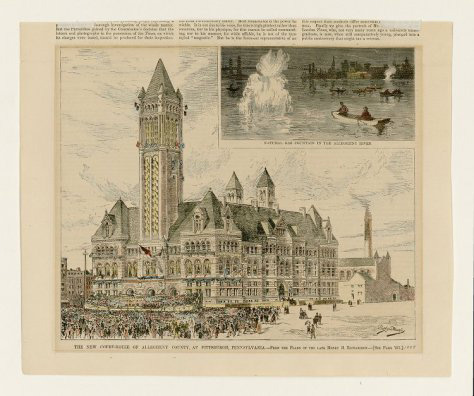
Pittsburgh’s original courthouse was a wooden structure first used at the end of the 18th Century. Less than twenty years later, plans for a more impressive building were underway. Polished gray sandstone with a domed cupola, the second courthouse was built on the corner of Fourth and Grant Street.
Address: 436 Grant Street, Pittsburgh PA
Access: Heavy security, including metal detectors
Allegheny Observatory
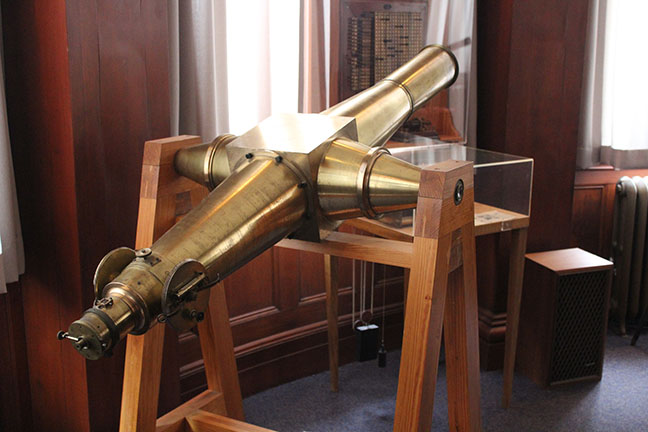
The winding roads that you encounter first going up Observatory Hill bring anticipation and wonder to who make the trek. At the top, the Allegheny Observatory sits facing the city faintly in the distance. Although Pittsburgh has the reputation of a modern city, the Allegheny Observatory maintains a historical value rarely found in the area.
Address: 159 Riverview Ave, Pittsburgh PA 15214
Access: Tours are free but require a reservation.
Call (412)- 321-3400 between 1-5 pm Monday through Friday to schedule.
Allentown (“Little Salem”)
Up the hill from the bustling atmosphere and bright lights of Pittsburgh's South Side, there sits a less well-known (but equally charming) corner of the city called Allentown. Bounded by the physical geography of the slopes and Beltzhoover Avenue, Allentown, like many other neighborhoods in Pittsburgh, may seem at first glance to be past its prime and reflective of the city’s physical and social changes after a regional decline in the steel industry. However, that state of decline could not be further from the truth.
Address: 746-753 E Warrington Ave
Alternate Histories Studio

Alternate Histories Studios is located at 517 Greenfield Avenue in Greenfield, a suburban neighborhood in Pittsburgh defined by its encompassing sense of community and generations of families that have established deep roots within the city. Having been established in June 2022, making it a rather new addition to the neighborhood, this interesting site brings art that combines history, sci-fi, and humor to this part of the city.
Address: 517 Greenfield Ave, Pittsburgh, Pa 15207
*On Secret Pittsburgh site, location is temporarily associated to the Oakland neighborhood due to technical issues, shall be resolved as soon as possible
Archives Service Center
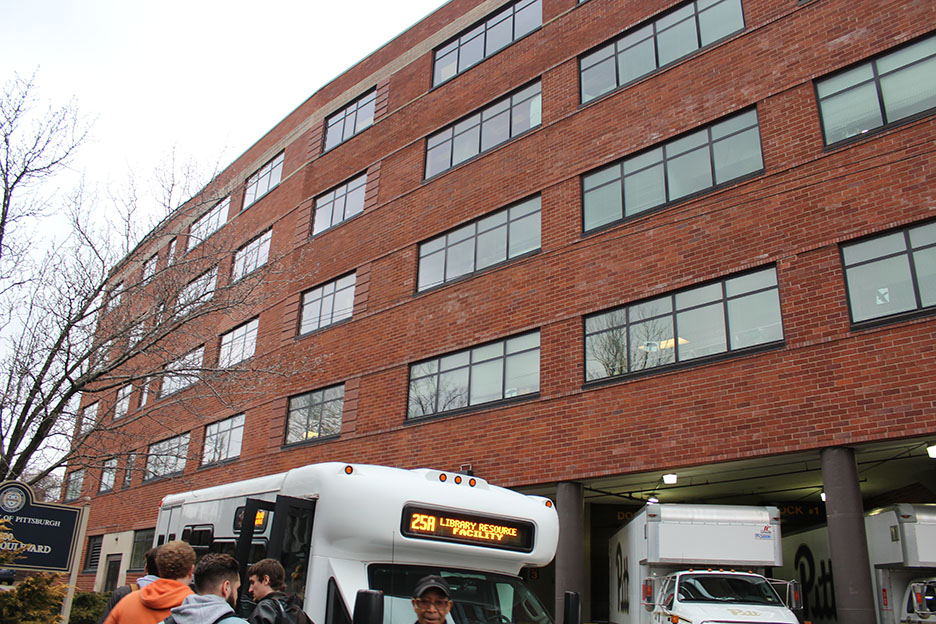
Located in the neighborhood of Point Breeze in Pittsburgh, the Archives Services Center itself is a rather unassuming building. Nothing about its exterior appearance sets it apart from any other regular office building. What’s inside, however, is its allure.
Address: 7500 Thomas Blvd, Pittsburgh, PA 15208
Access: Handicap accessible
Arsenal Park
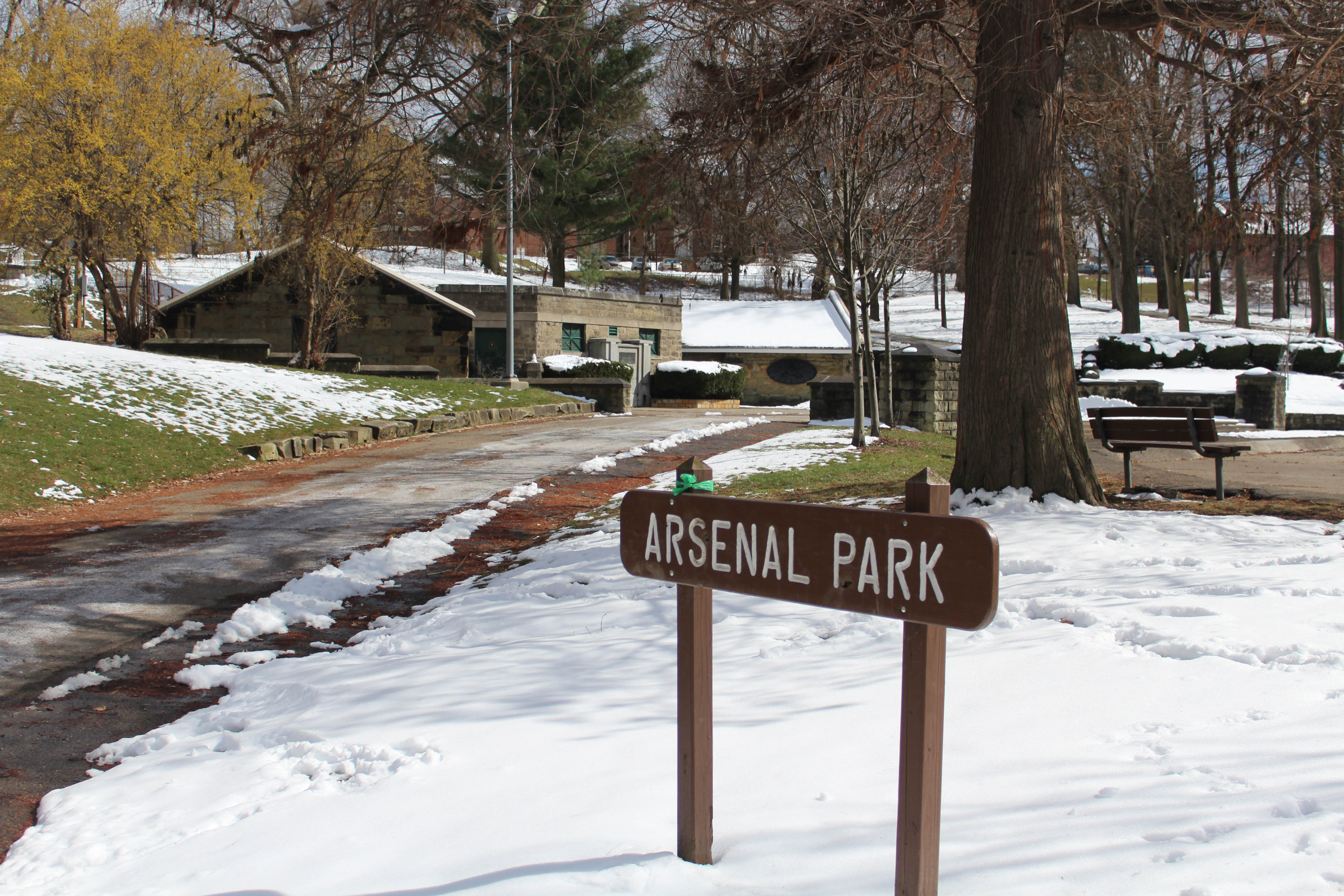
Nestled in the middle of the 39th and 40th street block in the neighborhood of Lawrenceville sits Arsenal Park. The park sits in the center of what used to be the property of the Allegheny Arsenal. The Allegheny Arsenal was built in 1814, and played a crucial role in the success of the Union during the Civil War.
Address: 276 39th St, Pittsburgh, PA 15201
Access: Paved pathways
August Wilson House
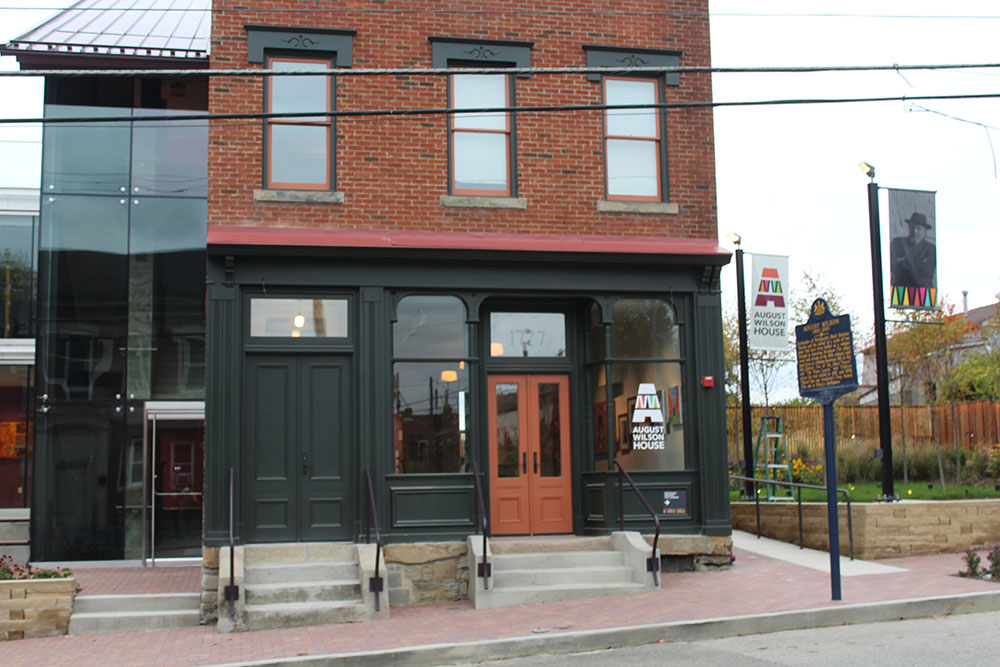
The August Wilson House is the childhood home of renowned Pittsburgh playwright August Wilson. The building is located at 1727 Bedford Avenue in the Hill District. The property was approved as a historical Pennsylvania site in 2007.
Address: 1727 Bedford Ave, Pittsburgh, PA 15219
Access: Elevators available.
Beechview Steps
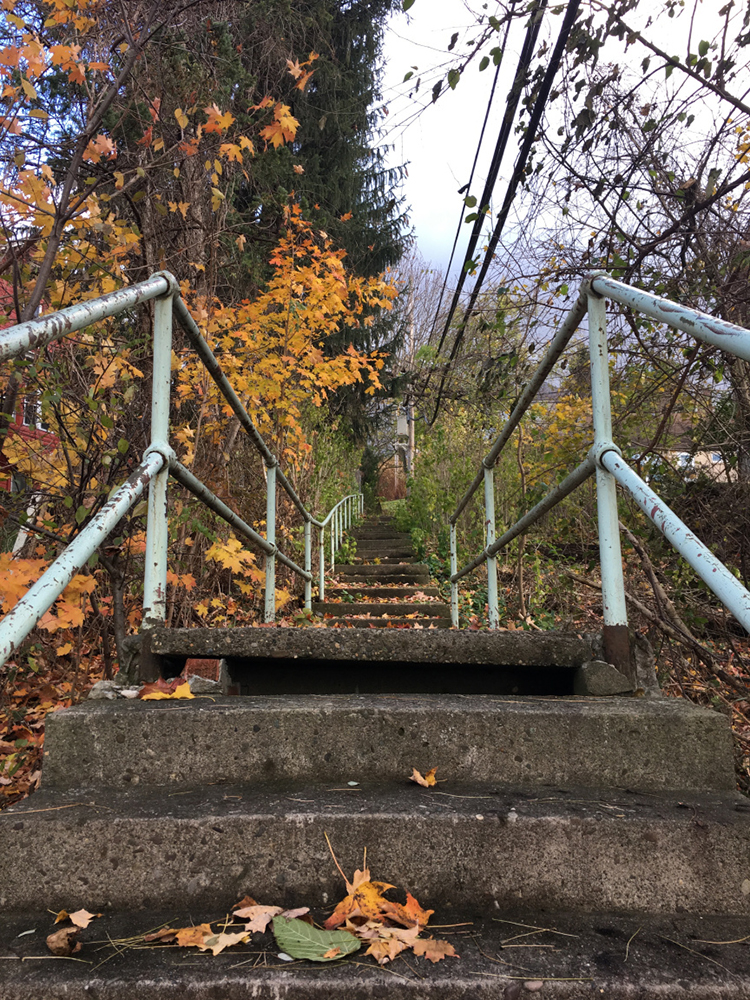
If you walk through the landscape of Pittsburgh, steps quickly become delightful friends and mortal enemies. In the same sharp, shallow breath after the 100th step, the view to which you’ve climbed makes you let loose another gasp of air for its beauty as you curse your tired legs. Pittsburgh’s near vertical landscape is not for the faint of heart, as it requires you to travel by vehicle and by foot to reach the best views.
Address: Canton Avenue, Pittsburgh, PA 15213
Ray Avenue, Pittsburgh, PA 15213
Access: Stairs
Bicycle Heaven
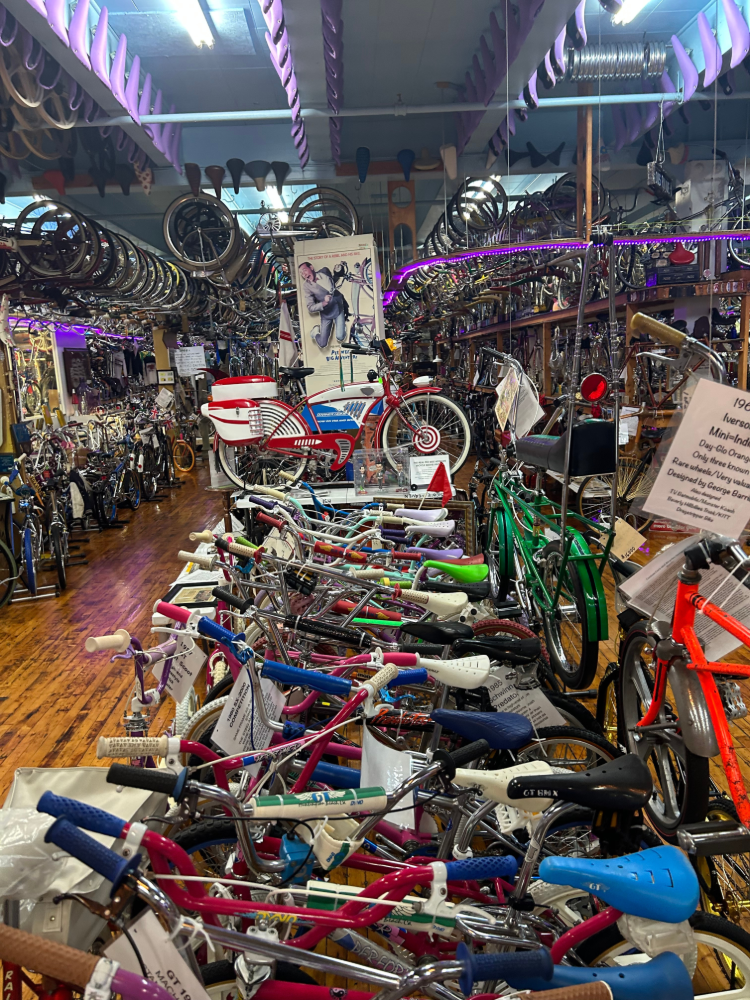
Bicycle Heaven was originally a bicycle repair shop with a hefty stock of bikes. It was founded in 1996 by Craig Marrow but would continue to expand over the years. The museum officially opened in 2011 by Craig and his wife, Mindy, and operated as a commercial and bike repair shop.
Address: 1800 Preble Ave, Pittsburgh, PA 15233
Access: The first floor, including the main shop and a large portion of the collection, is wheelchair accessible with flat, level flooring and accessible parking in the gated front lot. The museum spans two floors; at the time of writing (April, 2026) the elevator to the second floor is undergoing maintenance and is out of service, requiring stairs to access the upper level.
Bost Building
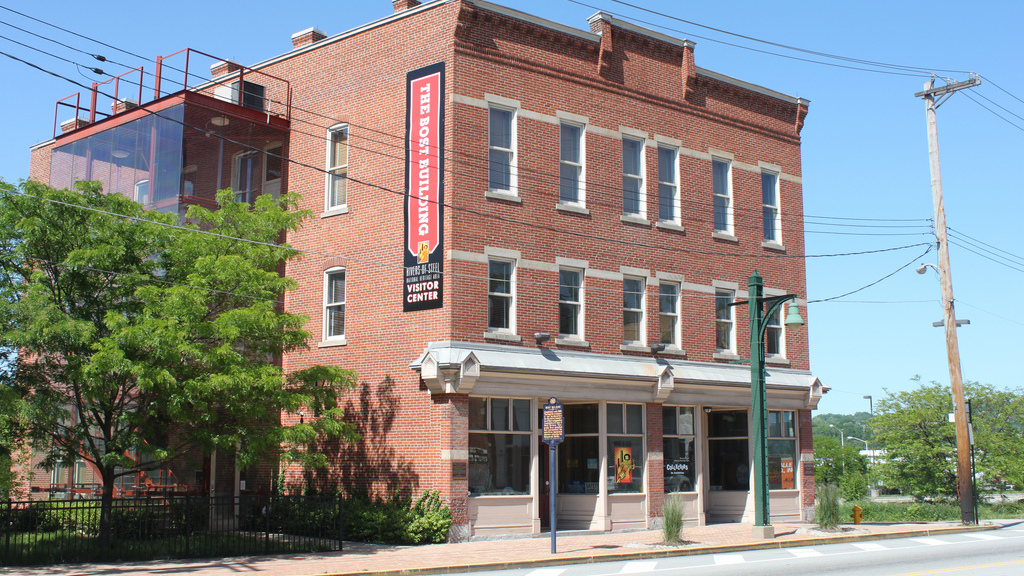
The Bost Building is a standing relic of the Steel City’s rich history, one of the only buildings associated with the 1892 Homestead Strike that remains intact. Built the same year as the famous Strike, the building was first used to house steel mill workers who had moved to Pittsburgh from Europe and were saving up to afford a house that could accommodate their families. Today, the Bost Building is home to the visitor center for the Rivers of Steel Heritage Group.
Address: 623 E. Eighth Ave, Homestead, PA 15120
Boxheart Gallery
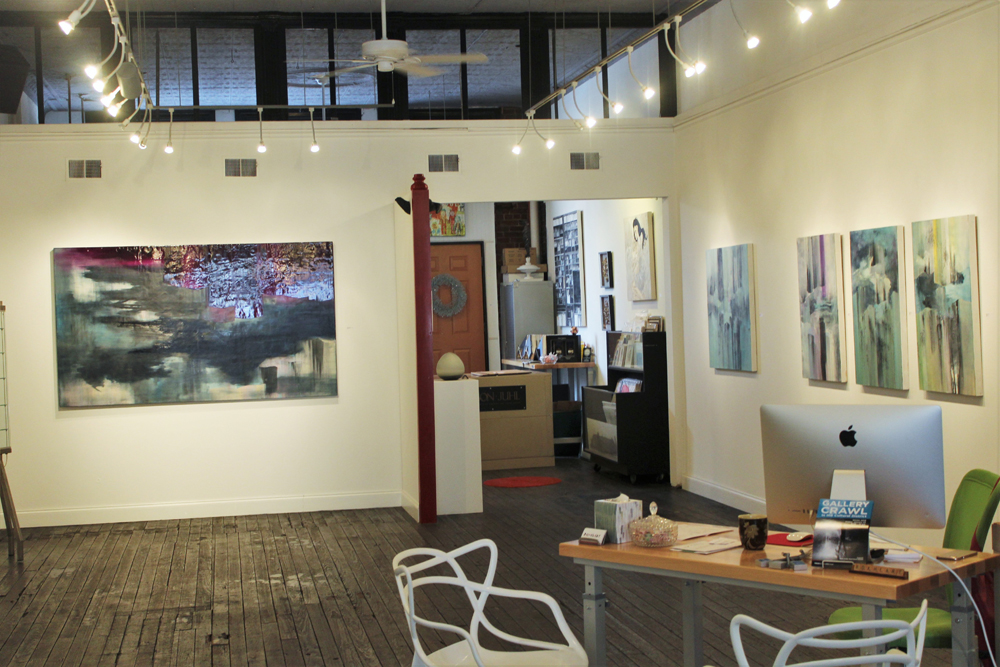
Bloomfield’s Liberty Avenue is one of the most well-known main streets in Pittsburgh. As such, it is home to many bars, restaurants, coffee shops, and as a variety of chain stores. Sitting near the corner of Liberty and Taylor Street is a space that stands directly apart from the typical main street facade.
Address: 4523 Liberty Ave, Pittsburgh, PA 15224
Access: Certain services available only by appointment. See website for details.
Braddock Carnegie Library
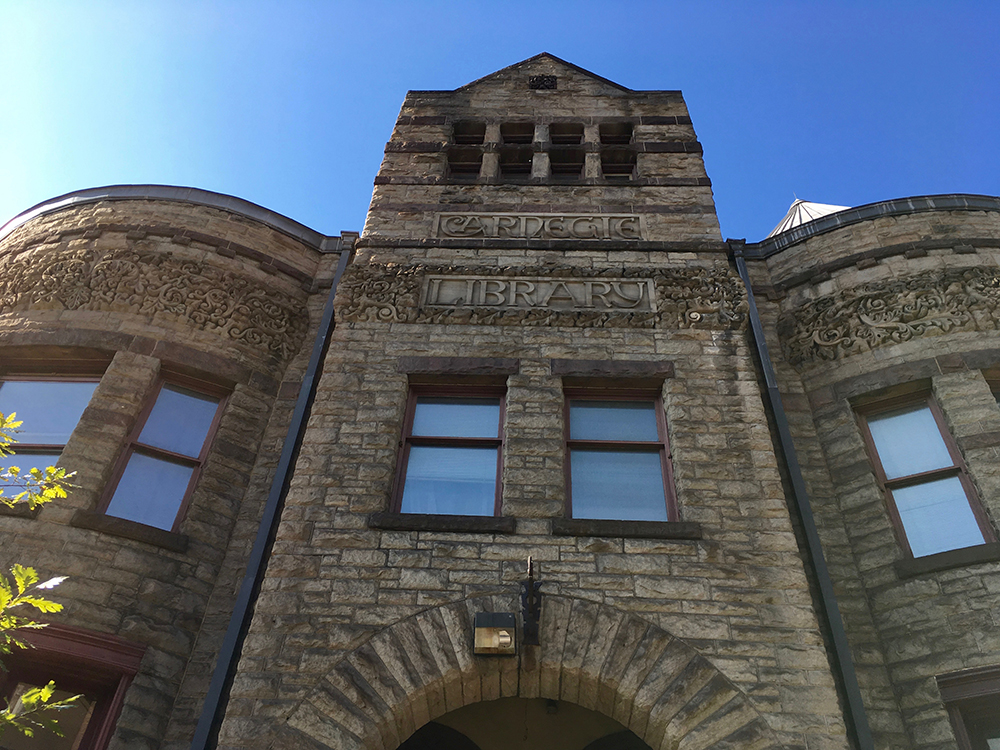
The Carnegie Library of Braddock, a designated national historic landmark, was dedicated by Andrew Carnegie on March 30, 1889. It was the first of his libraries to be built in the United States, second in the world after the library built in Carnegie’s hometown of Dunfermline, Scotland. The library served not only as a place to borrow books from, but also as a recreational facility for those in the “Carnegie Club,” who paid a fee for use of amenities such as a swimming pool and bowling alley.
Address: 419 Library Street Braddock, PA 15104
Access: First floor accessible via ramp. Second and third floor are only accessible via stairs. ASL interpreter services available upon request.
Brookline the Neighborhood
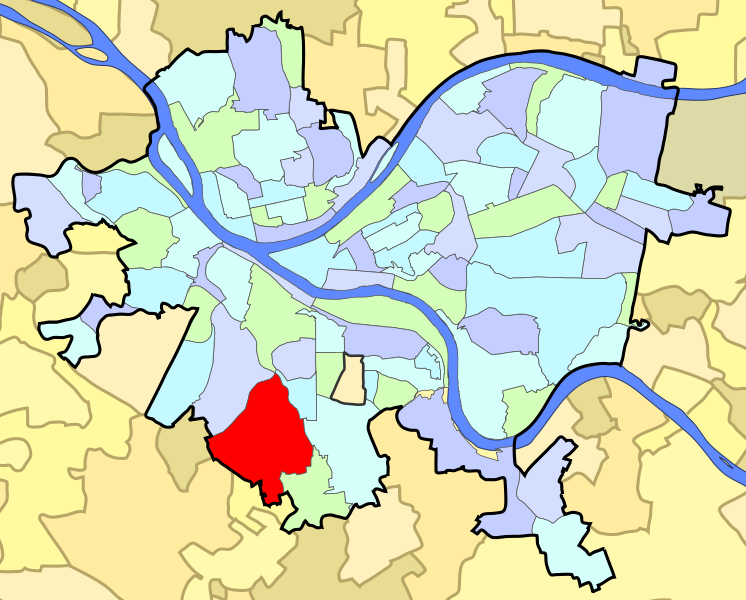
Not every Pittsburgh neighborhood has the up-and-coming pizazz of Pittsburgh’s East End. But there are still sights to be seen south of the Monongahela. The neighborhood of Brookline in South Pittsburgh is a not-so-little community—home to about 13,000 Pittsburghers—and a less-traveled path for folks from other corners of the city.
Carnegie Library of Homestead
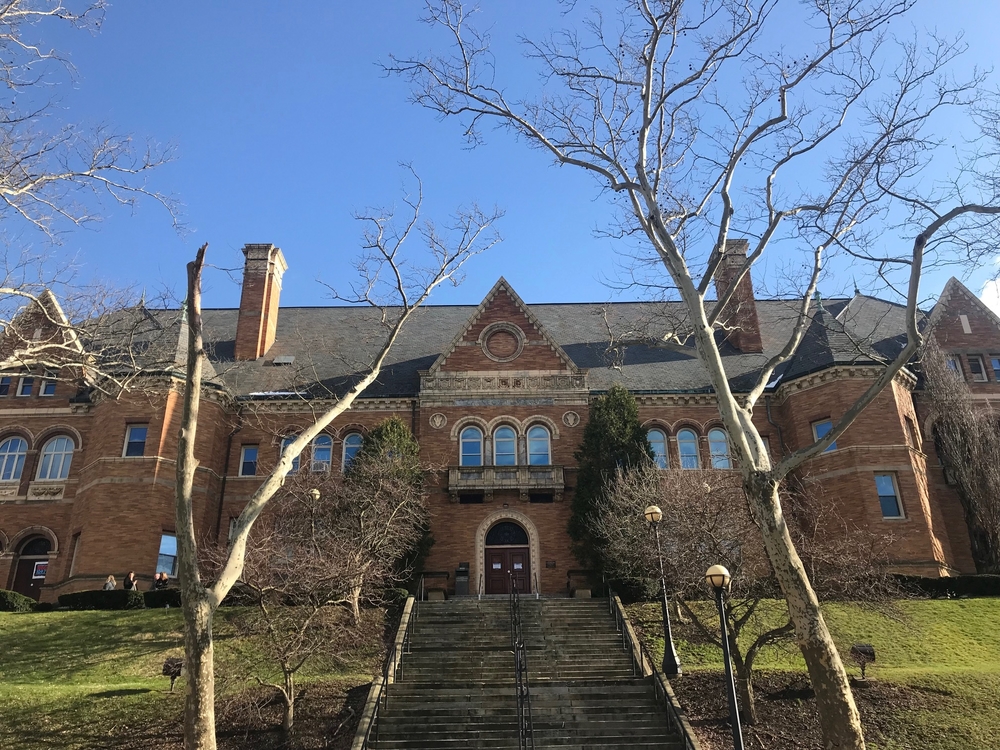
Sitting on a hill overlooking the Monongahela River, on the site of the former Homestead Steel Works, the Carnegie Library of Homestead is one of the last remaining libraries in the United States to maintain its original structure from the late 19th century. The building houses the library’s collection, an athletic club with an indoor pool, and a music hall under a single magnificent roof. Taking up an entire block, the library is nestled quietly among churches, multi-family housing, and a community park.
Address: 510 E 10th Ave, Munhall, PA 15120
Carnegie Library of Pittsburgh – Main
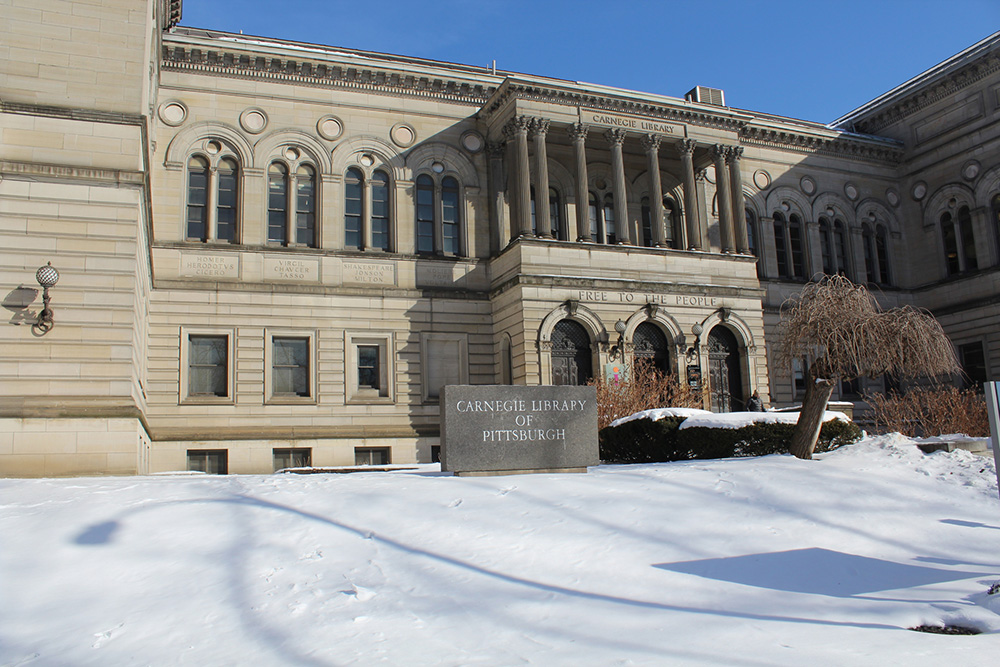
The Carnegie Library of Pittsburgh is a staple of the city. Providing thousands of community members with access to books and digital media, the library system has surely established itself as an imperative part of Pittsburgh.
Address: 4400 Forbes Ave, Pittsburgh, PA 15213
Access: Handicap accessible
Carnegie Museum of Art
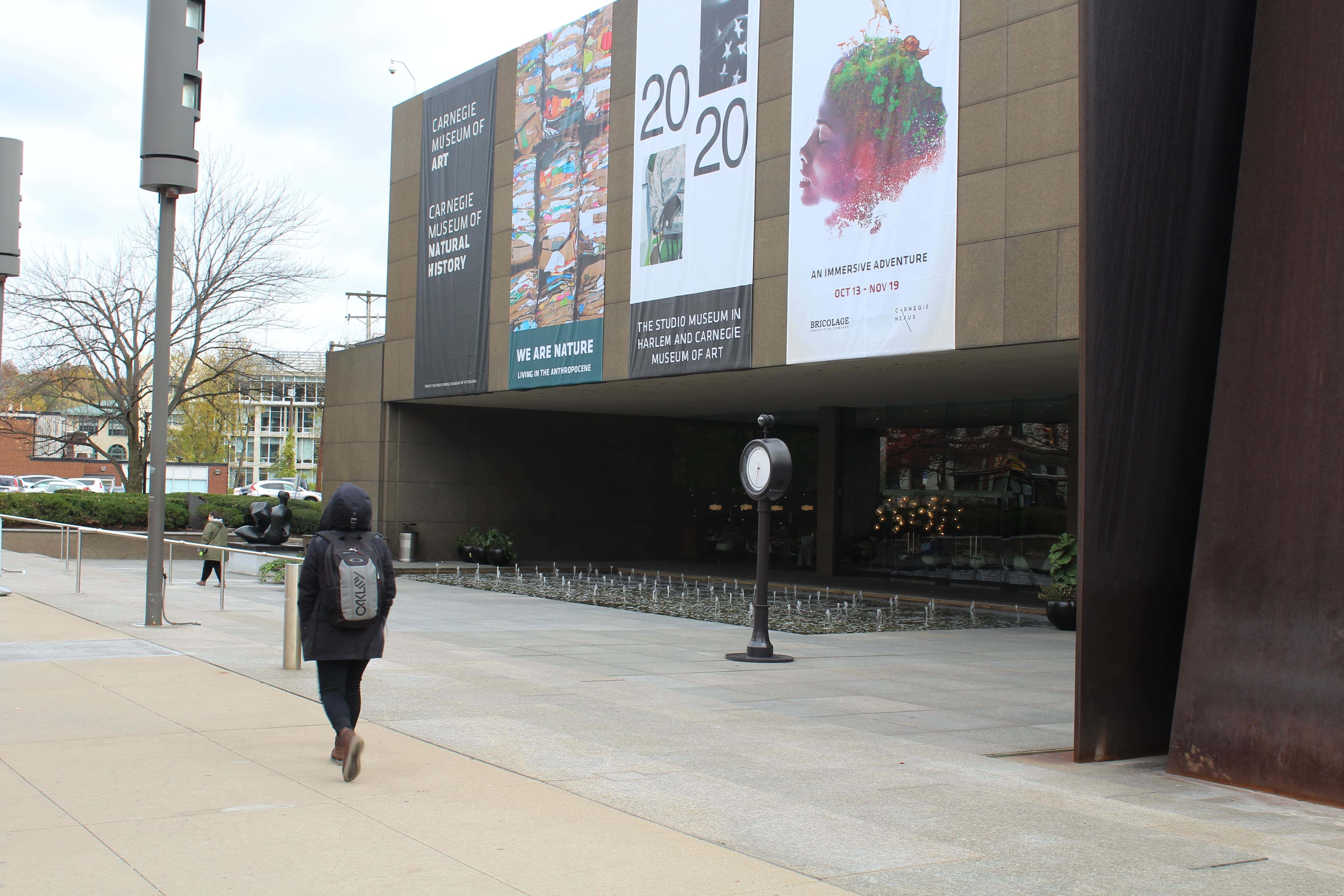
The Carnegie Museum of Art (CMOA) was not always a museum, starting out as the Fine Arts Department of Carnegie Tech (present day Carnegie Mellon University). Despite being a part of the private institution founded by philanthropist and steel captain Andrew Carnegie, its galleries were opened for public use on November 5th, 1895. As the museum gained recognition, it also gained independence from Carnegie Tech.
Address: 4400 Forbes Ave, Pittsburgh, PA 15213
Carnegie Museum of Natural History
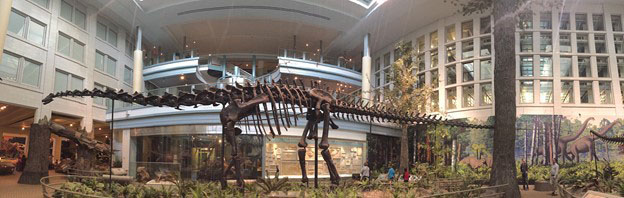
Andrew Carnegie founded the Carnegie Institute in 1895, which began as the Carnegie Museum of Art (CMOA) and the Carnegie Museum of Natural History (CMNH). Today, these two museums are a part of the Carnegie Complex which also includes the Carnegie Science Center and the Andy Warhol Museum. Also included within the CMOA and CMNH building is the Carnegie Library's main branch and the Carnegie Music Hall, all part of Andrew Carnegie’s desire to educate and bring the world to Pittsburgh.
Address: 4400 Forbes Avenue, Oakland
Access: Handicap accessible, admission includes the Art and Natural History museum
Carrie Furnaces
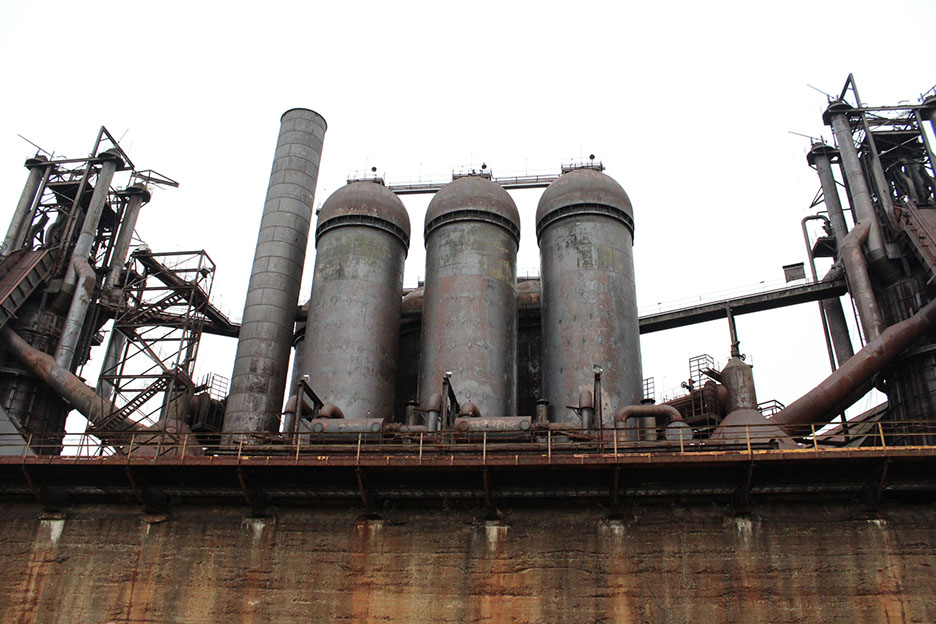
The Carrie Blast Furnaces were operational from 1884 until 1982. For every ton of iron that the Carrie Blast Furnaces produced, a four-ton combination of iron ore, coke, and limestone was melted down. To cool down the molten iron, up to five million gallons of water were used daily.
Address: Carrie Furnace Boulevard, Rankin, PA 15104
Cathedral of Learning
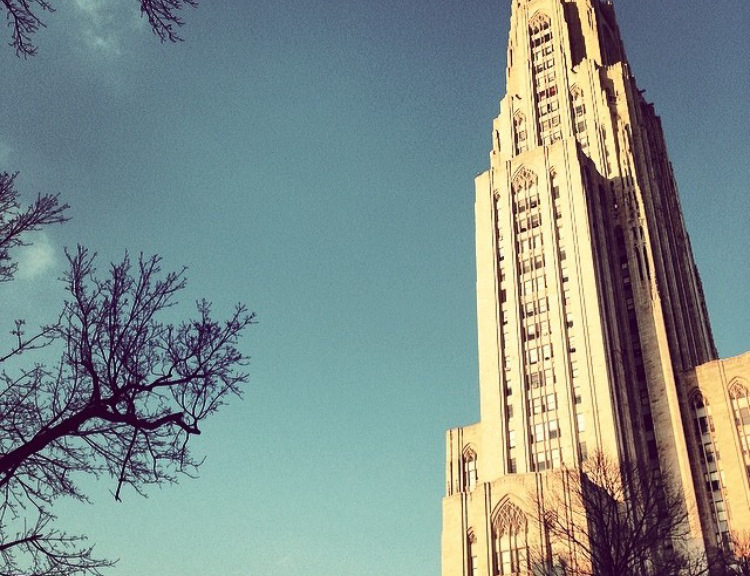
The University of Pittsburgh’s Cathedral of Learning is the fourth tallest educational building in the entire world. At 163 meters and 42 floors, the Cathedral can be seen from every corner of Oakland.
Address: 4200 Fifth Ave, Pittsburgh, PA 15260
Access: Handicap accessible, Nationality Room tours available on website
Center for American Music
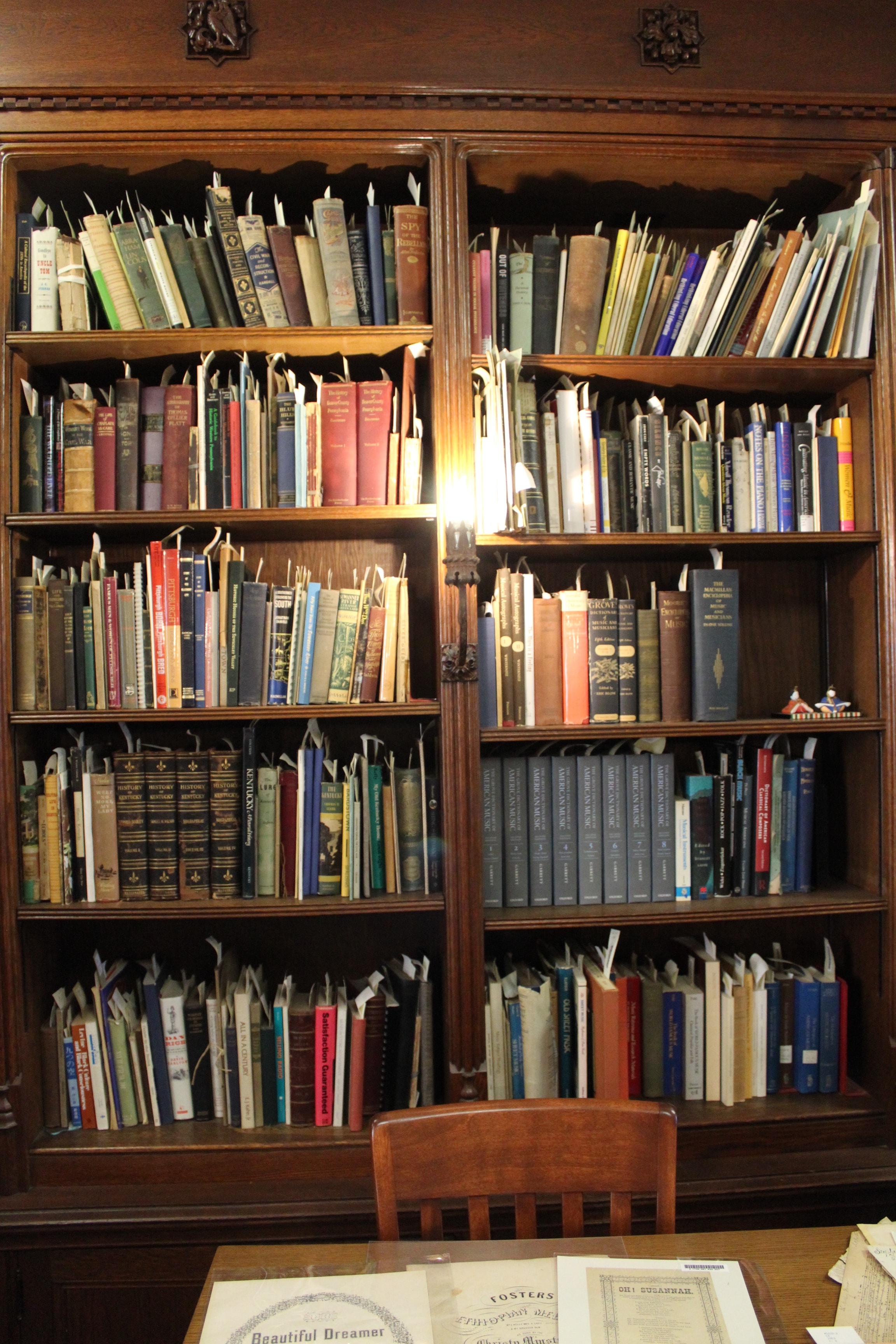
Some of the most well-known songs in American history come from a relatively unknown composer. Stephen Foster, referred to as the father of American music has created a lasting impact through his nineteenth century work. Due to his important contributions to the American music industry, the Stephen Foster Memorial was chosen to host the Center for American music.
Address: 4301 Forbes Avenue, Pittsburgh 15260
Access: Private tours can be scheduled up to two weeks in advance
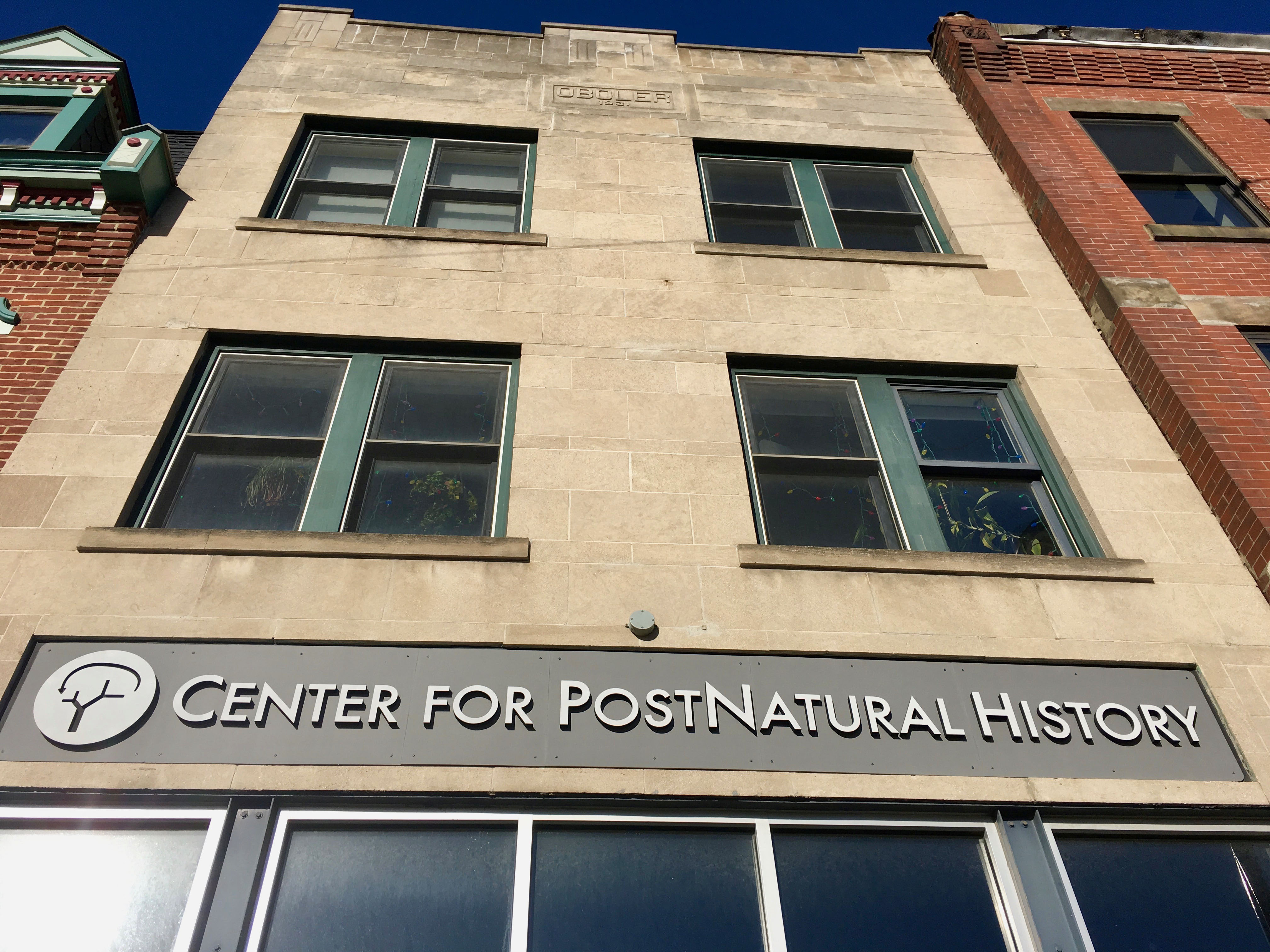
Center for PostNatural History
City of Asylum
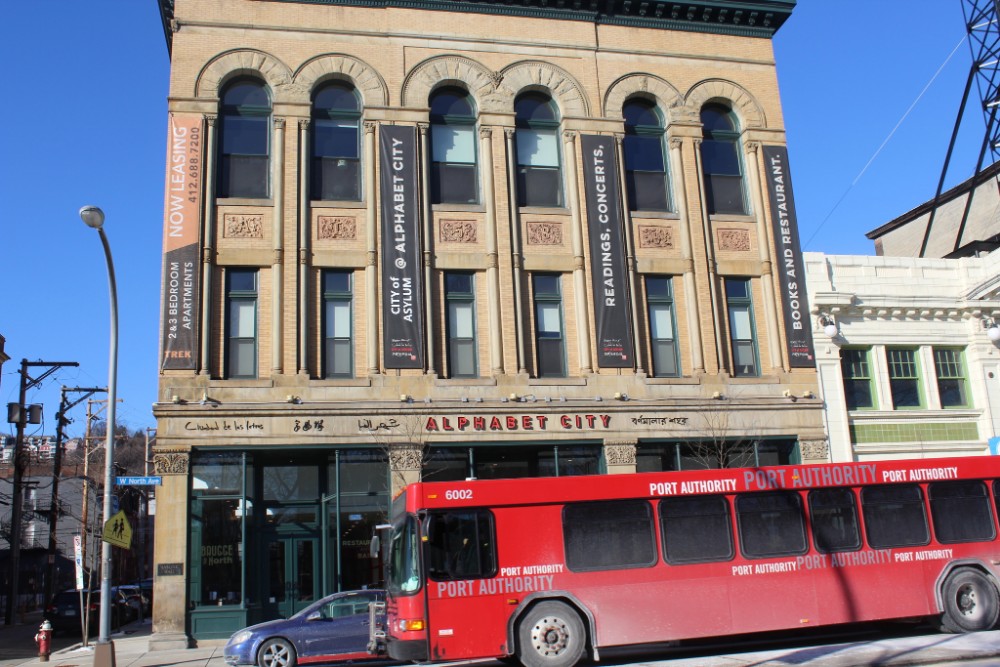
The Mexican War Streets show off the Victorian architecture of Pittsburgh’s North Side; the historical homes becom e and less frequent approaching Sampsonia Way. Instead, a home vibrant with beautiful shades of pinks and blues peeks out of the camouflage of Pittsburgh homes. This diamond in the rough is the Jazz House of the City of Asylum.
Address: 40 W. North Ave, Pittsburgh, PA 15212
Access: Tours only available upon request
Clemente Museum
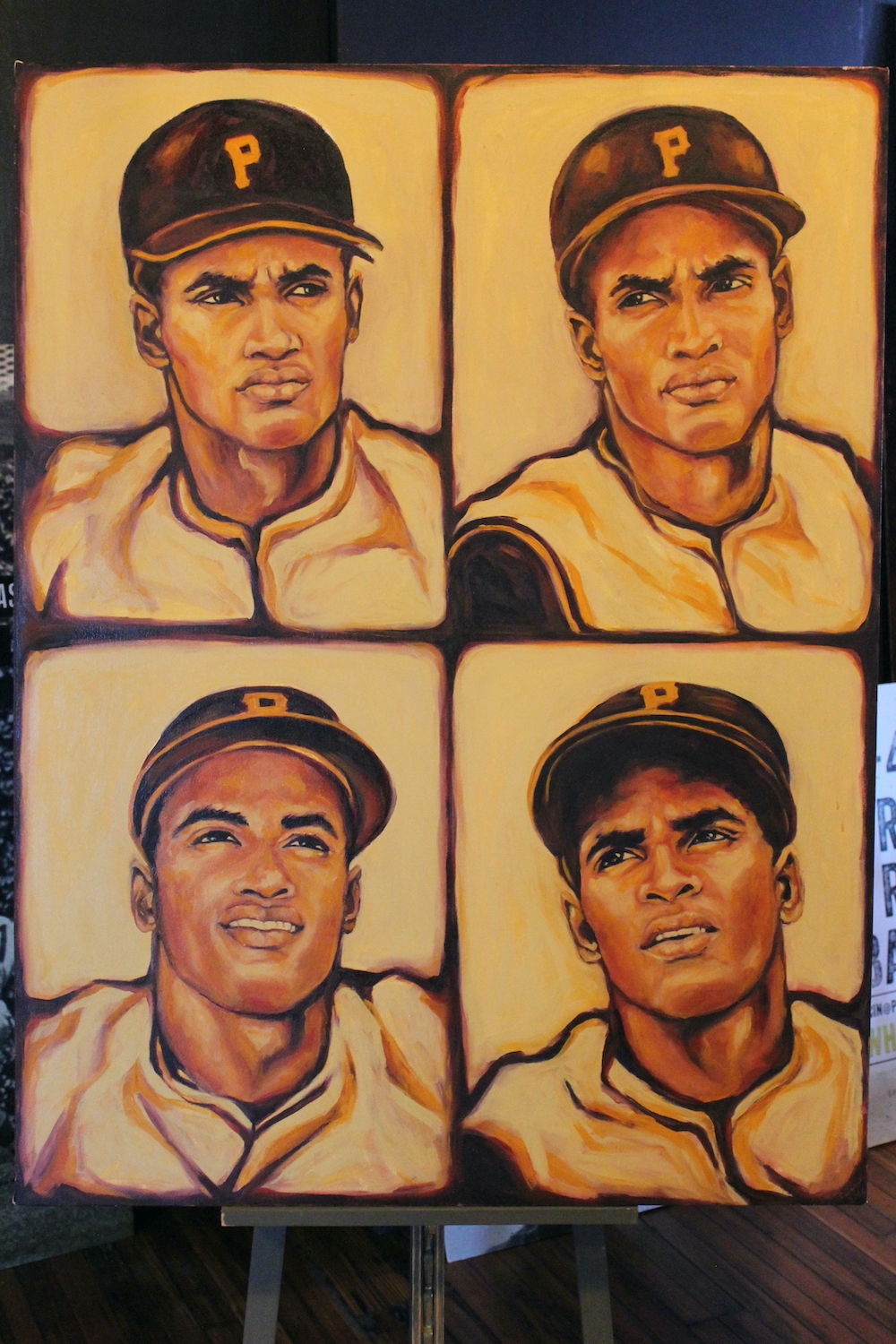
Located in the tight and windy neighborhood of Lawrenceville, the Clemente Museum houses all the most important memorabilia from baseball player Roberto Clemente. In a building that was originally a fire house, Engine House no.25 exemplifies the architecture of its 1898 origins one point at the brink of demolition, the building was eventually saved and bought by its current curator and owner, Duane Rieder. Duane has since transformed the space into a multi-purpose building, with the majority of it now showcasing the Clemente Museum.
Address: 3339 Penn Ave, Pittsburgh, PA 15201
Access: Indoor tours available through website Visit website
Color Park
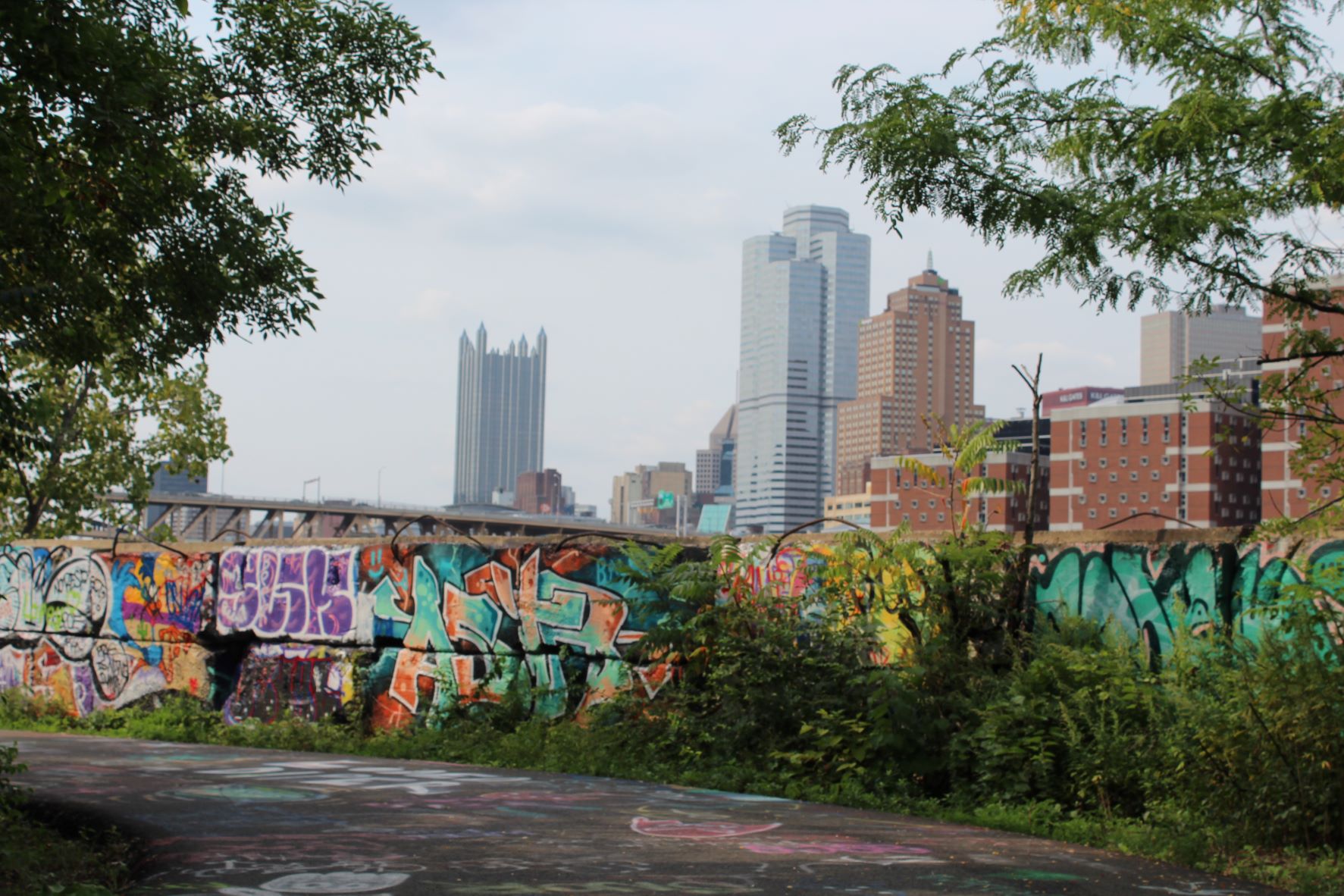
Welcome to the most colorful place in Pittsburgh, where creative expression in the form of graffiti is not only legal but welcomed. The Color Park is located in the South Side of Pittsburgh along the Three Rivers Heritage Trail between Liberty Bridge and the 10th Street Bridge.
Address: 1 S 6th Street, Pittsburgh, PA 15203
Access: The park can be accessed through multiple paths from the bus stop, some including stairs. Elevator available through the Highline on Terminal Street. You must provide your own paint if you wish to paint the park.
Croghan-Schenley Ballroom
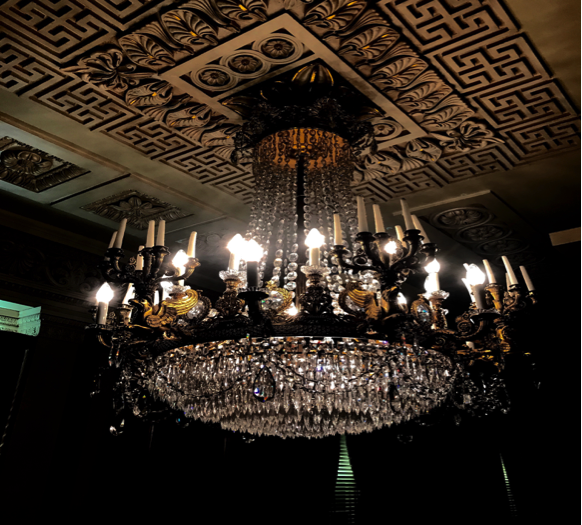
Hidden within the University of Pittsburgh’s renowned Cathedral of Learning is a room that is unknown to most. Although most people who visit The Cathedral of Learning come to see the Nationality Rooms, there is another treasure tucked away. The “Picnic House,” as it came to be called, was built in 1835 in a neighborhood which is now called Stanton Heights.
Address: 1st Floor, 4200 Fifth Ave, Pittsburgh, PA 15213
East Liberty Presbyterian Church
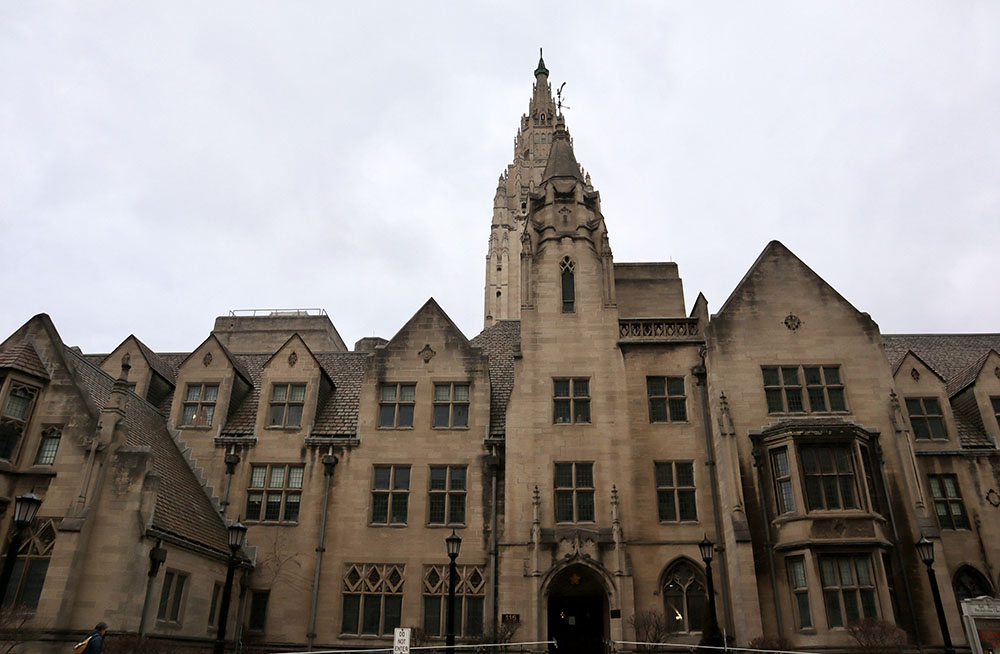
The luminous stained glass and gothic architecture of East Liberty Presbyterian Church make this cathedral-like space stand out, but the site is defined by its inclusive community. The church was founded in 1819, and four churches preceded the current building, which wasn’t constructed until 1935. Occupying an entire city block, the church cost $4 million to build.
Address: 116 S Highland Ave, Pittsburgh, PA 15206
Access: Wheelchair accessible
East Liberty the Neighborhood
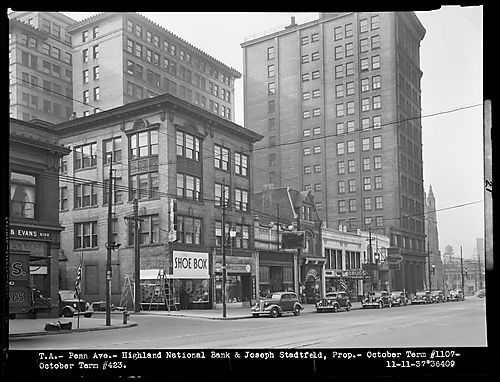
In the late 19th and early 20th century, the neighborhood of East Liberty was a booming commercial center that serviced the Pittsburgh elites and upper middle class professionals who lived in the eastern neighborhoods, such as Friendship, Shadyside, Point Breeze, Highland Park, and Bloomfield. Much of the business centered around Penn Avenue, Pittsburgh’s oldest road and main thoroughfare through East Liberty. Once known as Greensburg Pike, early settlers in the 18th and 19th centuries used it as a stagecoach route leading east to Philadelphia.
Freedom Corner and the Hill District
Frick Environmental Center
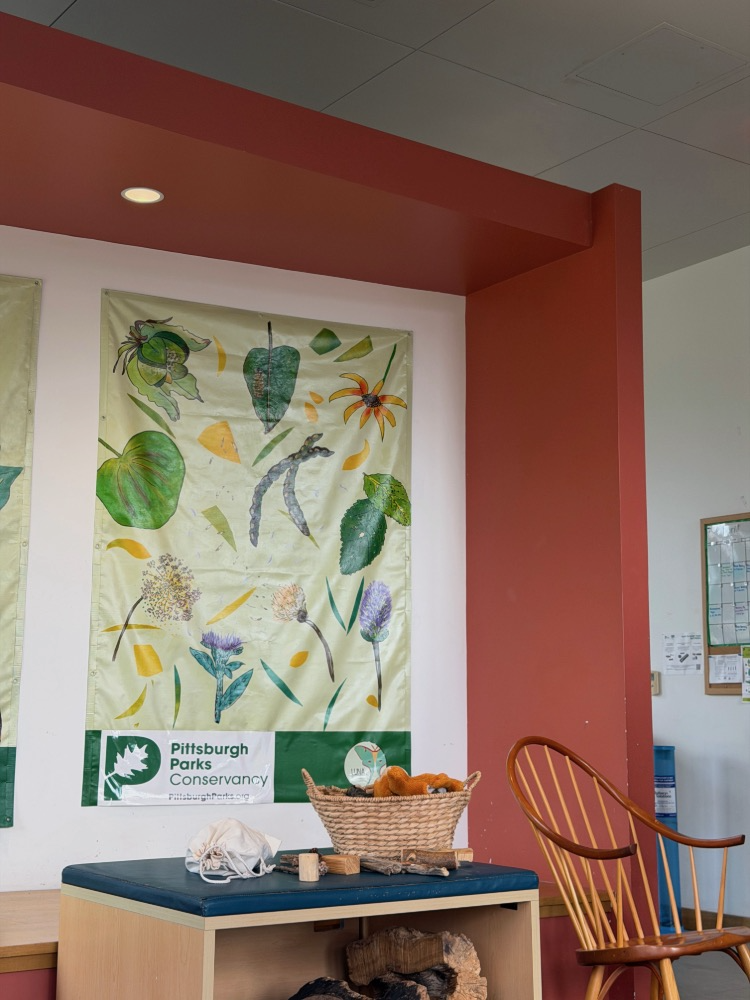
The Frick Environmental Center (FEC) is a three-story facility located on the western edge of Frick Park. The mission of the environmental center is to provide an inclusive and welcoming space for people of all ages to learn about and experience the environment. The building itself boasts a Leadership in Energy and Environmental Design (LEED) Platinum certification that best exemplifies the center’s ambition to operate with sustainability as the prime goal.
Address: 2005 Beechwood Blvd, Pittsburgh, PA 15217
Frick Park
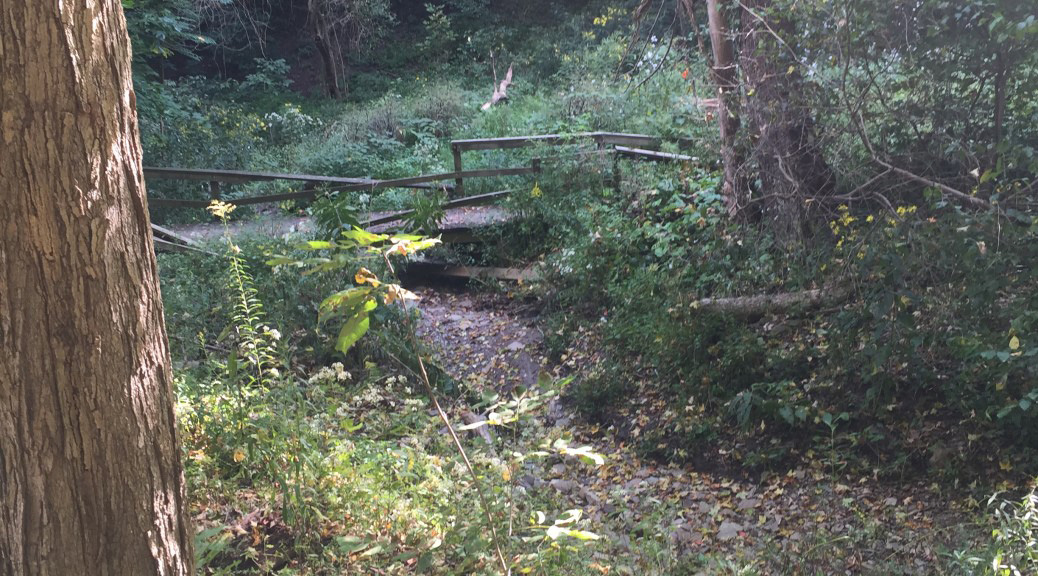
Frick Park was granted to the city of Pittsburgh in 1919 by Henry Clay Frick and was later opened in 1927. The Park boasts 644 acres of nature, trails, streams and activity space. It connects the East End Pittsburgh neighborhoods of Squirrel Hill, Point Breeze and Regent Square.
Address: 1981 Beechwood Blvd, Pittsburgh, PA 15217
Access: Outdoor site, paved pathways
George Westinghouse Memorial
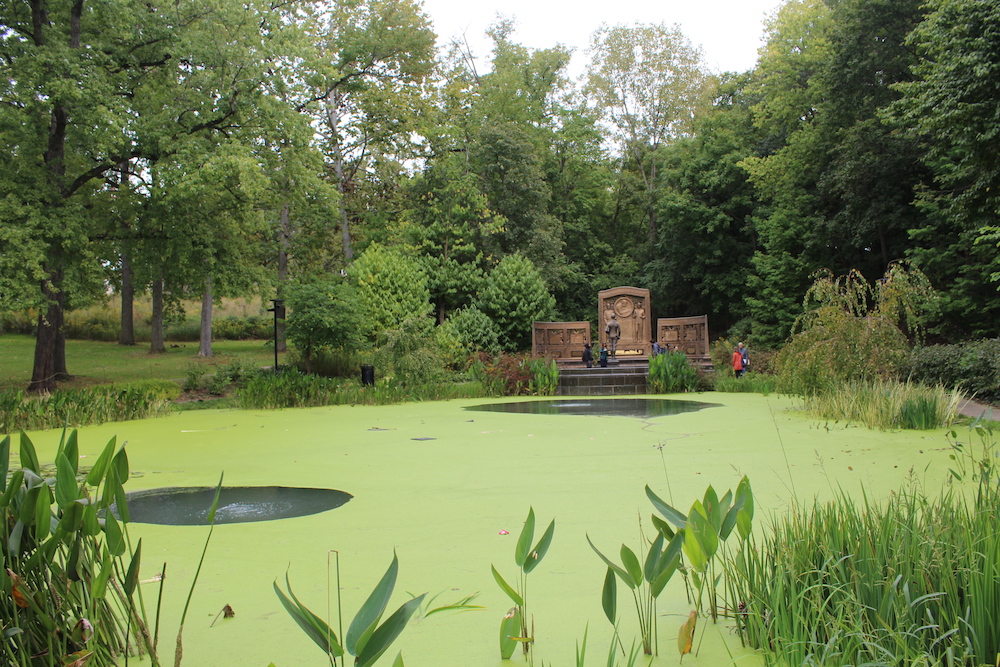
Proposed by Westinghouse Workers in 1914 and built in 1930, the Westinghouse Memorial stands behind Flagstaff Hill in Oakland. The pond was already in place from the 1890s before the Westinghouse sculptures were added and greenery was updated. The sculpture depicts several Westinghouse inventions including the application of alternating current to homes and train system advancements.
Address: W Circuit Road, Pittsburgh, PA 15217.
Access: Small step up to center of memorial. Ramps and smooth side walks around.
Highland Park
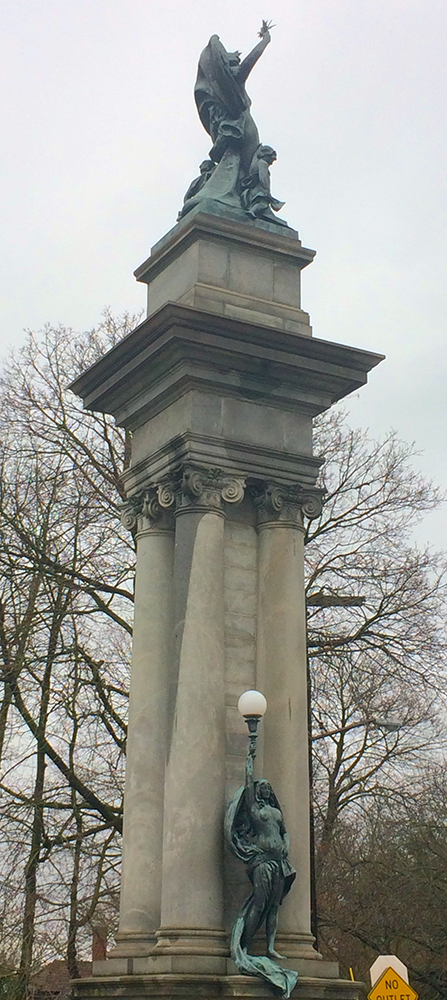
Pittsburgh is often defined by its industrial past, but in recent decades the city has undergone a complete transformation. More so now than ever, Pittsburgh is investing in its green spaces, particularly its five major municipal parks of which Highland Park is the oldest. Located on the city’s east end, Highland Park offers visitors nearly everything they could want in a park, from large playgrounds to a public pool, and much more.
Address: Pittsburgh, PA 15206
Hill District Community Engagement Center
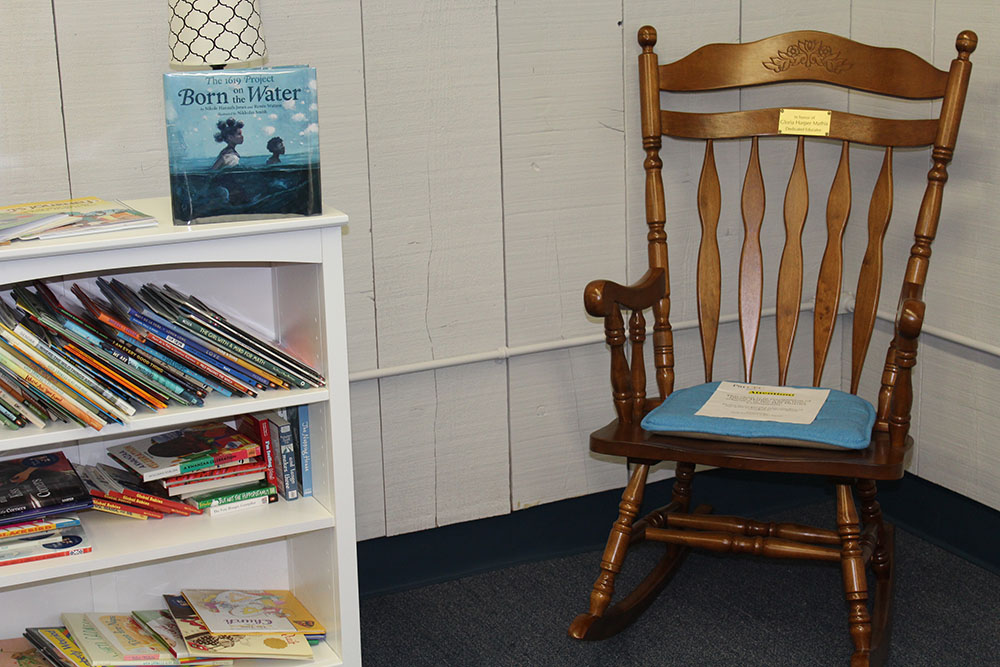
The Hill District Community Engagement Center (CEC) is the second initiative of the University of Pittsburgh’s Neighborhood Commitments program alongside the Homewood CEC. Touted as the community’s “front door to the University of Pittsburgh in the Hill District” the CEC is centrally located at 1908 Wylie Avenue. The building itself acts as a bridge between community members and the University fostering a dialogue of “exchange and opportunity”.
Address: 1908 Wylie Ave Pittsburgh, PA 15219
Access: Handicap accessible
Hill House Association
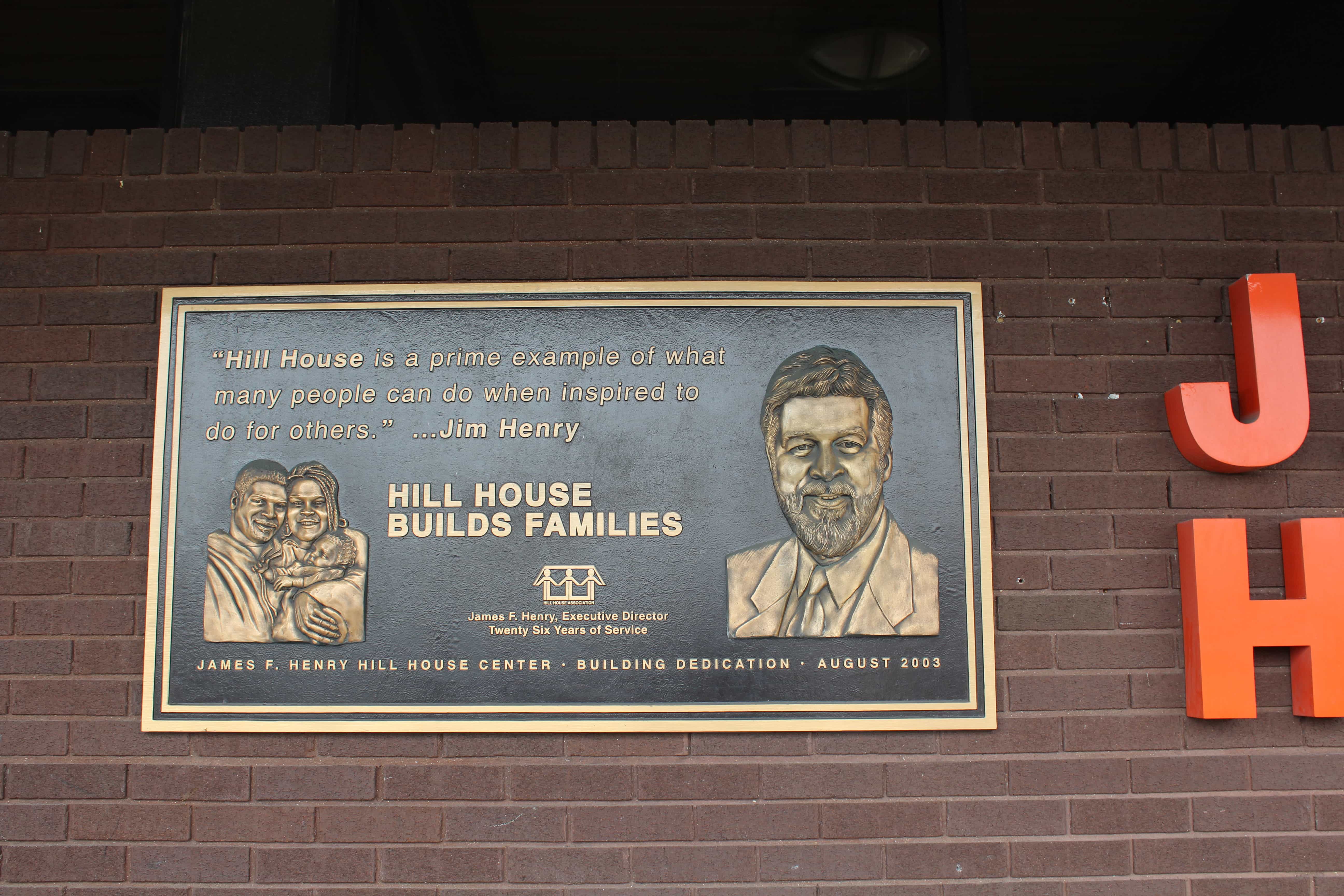
The Hill House Association was a center established to help provide social services to the Black community. The Association was formed from the merger of three already existing communities in the area: the Soho Community Center, the Anna B. Heldman Center, and the Hill City Youth Municipality. In 1972, the Hill House’s new headquarters was completed on Centre Avenue which served as a major source of re-establishing a sense of community within the Hill, especially after the redevelopment plan to build the Civic Center Arena.
Address: 1835 Centre Avenue, Pittsburgh, PA 15219
Access: Building is handicap accessible
Hillman Library
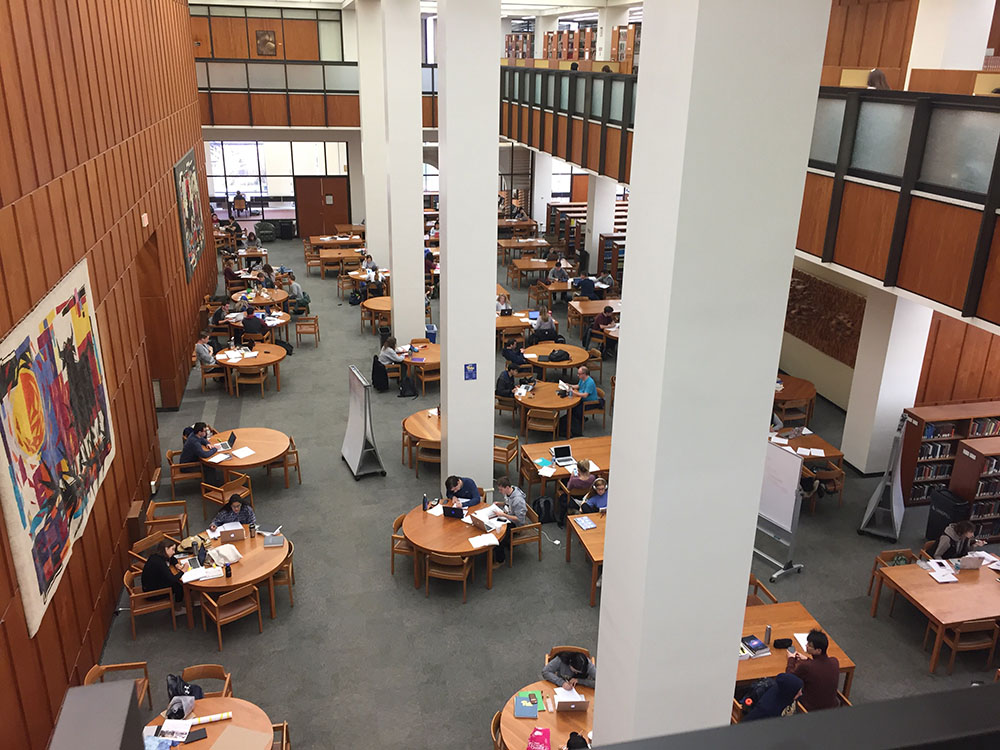
Hillman Library is an odd monument at the University of Pittsburgh. The sharp angles contrast with the Neo-Gothic style of The Cathedral of Learning catty-corner to it and the orange brick Beaux-Arts architecture of the William Pitt Union. Many students describe it as “prison like” because of the angled windows that span the top three floors of the building.
Address: 3960 Forbes Ave, Pittsburgh, PA 15260
Access: Has elevators and ramps
Hours are subject to change based on University schedule.
Admission from 11PM-7AM only permitted with valid University ID.
Homestead Pump House
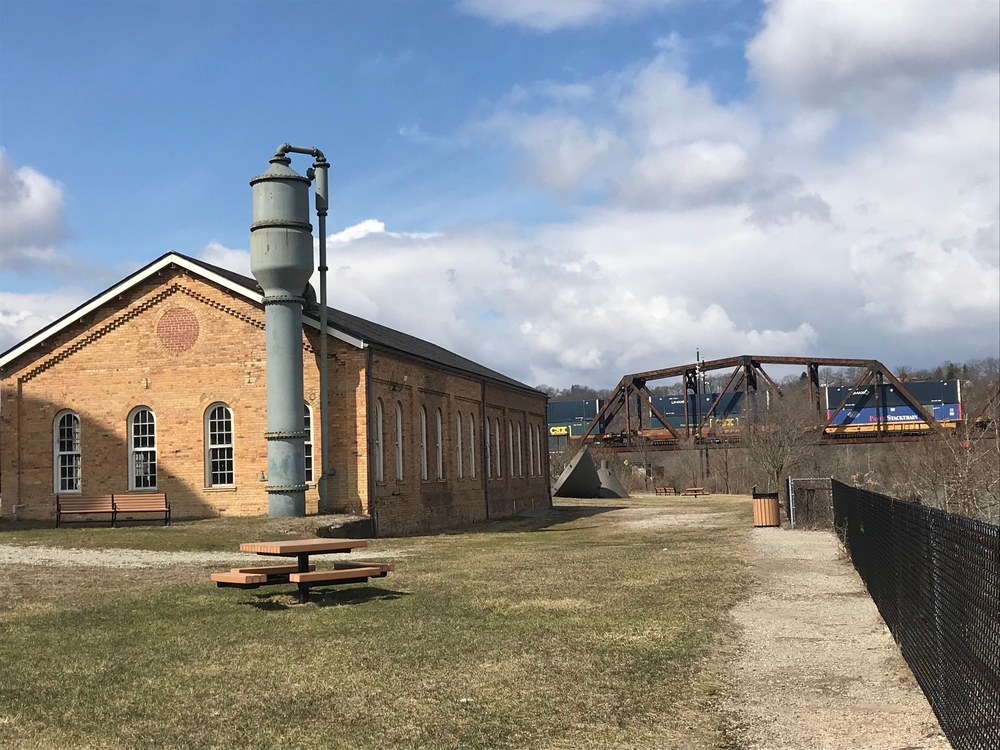
The Pump House was an essential feature of the Homestead Steel Works. In fact, pump houses were essential to all steel mills in the Monongahela Valley. The rivers of Pittsburgh were harnessed through pumping mechanisms to help cool and transport materials for the massive industrial works.
Address: 880 E Waterfront Dr, Munhall, PA 15120
Access: Outdoor trail
Homewood Cemetery
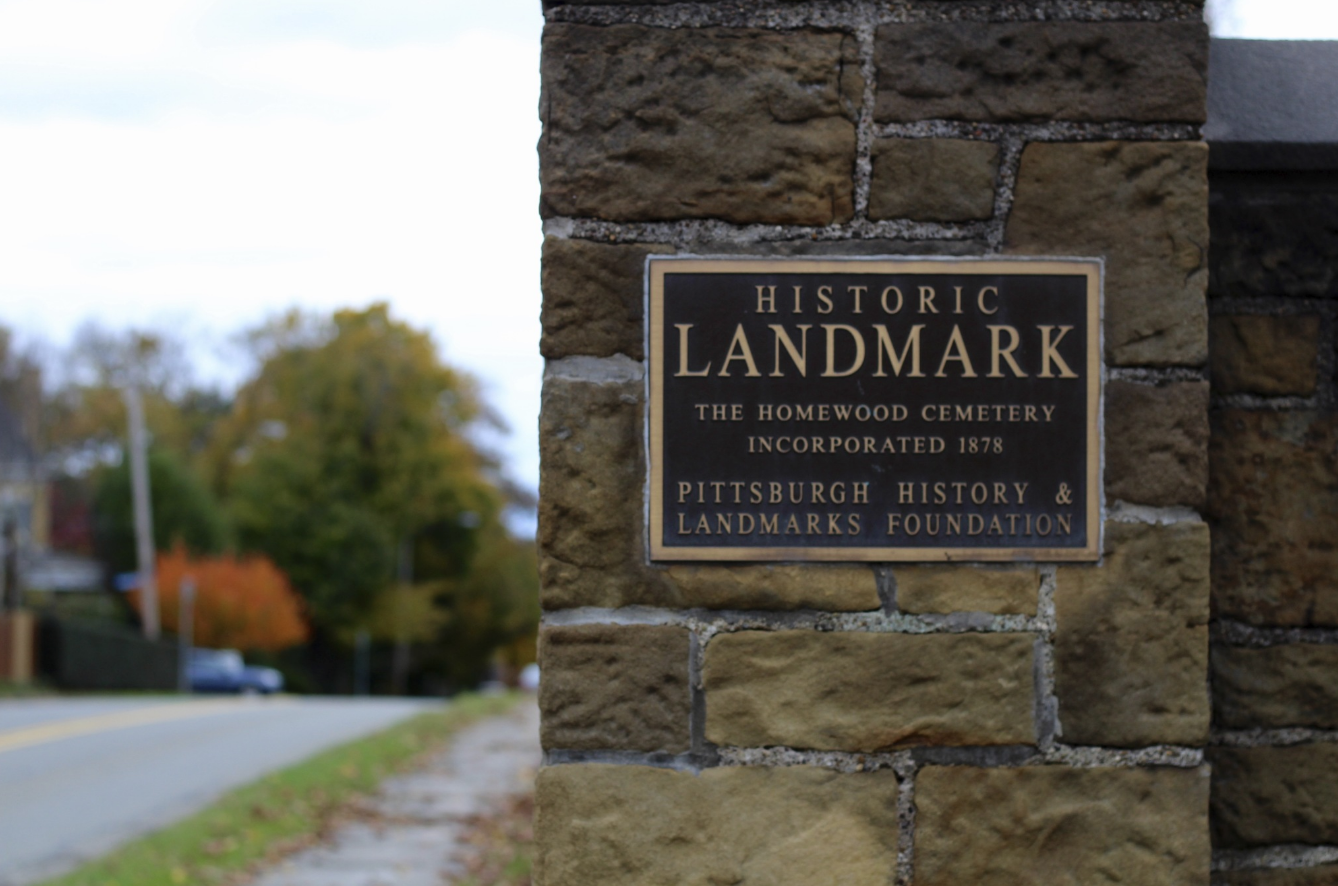
As you enter the stunning wrought-iron gates of the Homewood Cemetery and pass the plaque that proudly displays the cemetery’s status as a landmark, you’ll take in winding paths, stunning architecture, and beautiful landscaping. Whether visitors to the cemetery are paying tribute to the deceased, enjoying a morning jog, or taking in the impeccable landscape on their lunch break, space welcomes all members of the Pittsburgh community to explore rolling hills and winding walkways. As the permanent home to some of Pittsburgh’s most iconic figures such as the founder of the Heinz Company H.J.
Address: 1599 South Dallas Avenue Pittsburgh, PA 15217
Access: Handicap parking spot with ramp located directly to the right of the office’s main entrance.
Guided tours offered, but not required.
Hunt Institute for Botanical Documentation
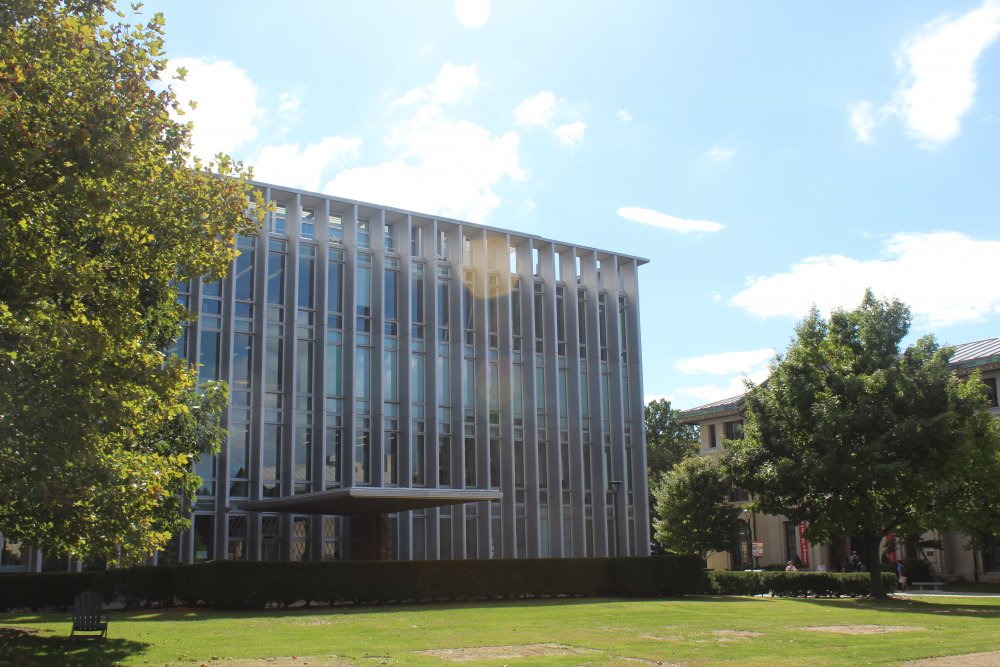
The Hunt Institute for Botanical Documentation is a world-class botanical archiving institute, located on the top floor of Carnegie Mellon’s Hunt Library. Luxurious wood and polished metal adorn the Institute’s walls, alongside intricate, hand-drawn illustrations of a variety of plants and flowers. The Hunt Institute exists today as a research division of Carnegie Mellon University.
Address: 5th floor, 4909 Frew Street Pittsburgh, PA 15213
Access: Elevators
Collection access by appointment only.
.
Intersection of Forbes Ave and Murray Ave
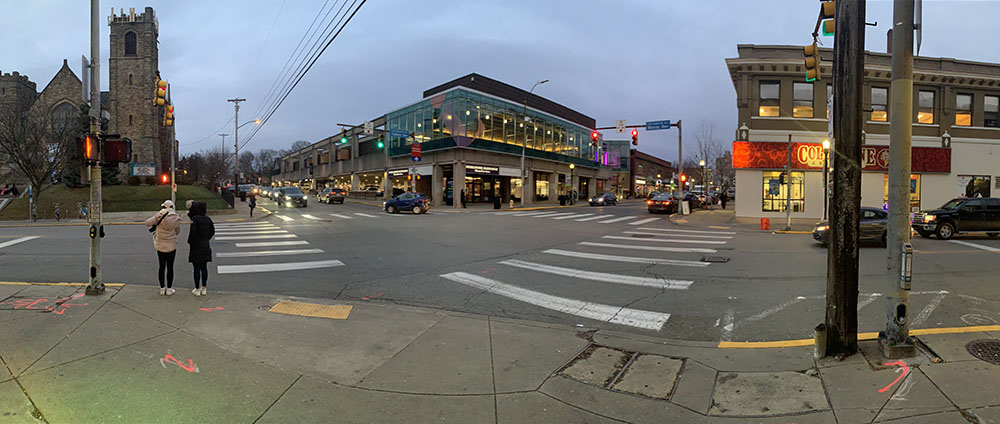
The Intersection of Forbes and Murray Avenues is a touchstone within Pittsburgh’s Squirrel Hill neighborhood. A popular meeting spot, a primary node on the 61 PAT bus routes, and the street-crossing famous for its jaywalking pedestrians, this intersection is a living example of how street corners become loci for community and—nondescript as they can be—places in residents’ and visitors’ experiences, memories, and imaginations.
Address: Intersection of Forbes Avenue with Murray Avenue, Pittsburgh, PA 15217
Irish Festival
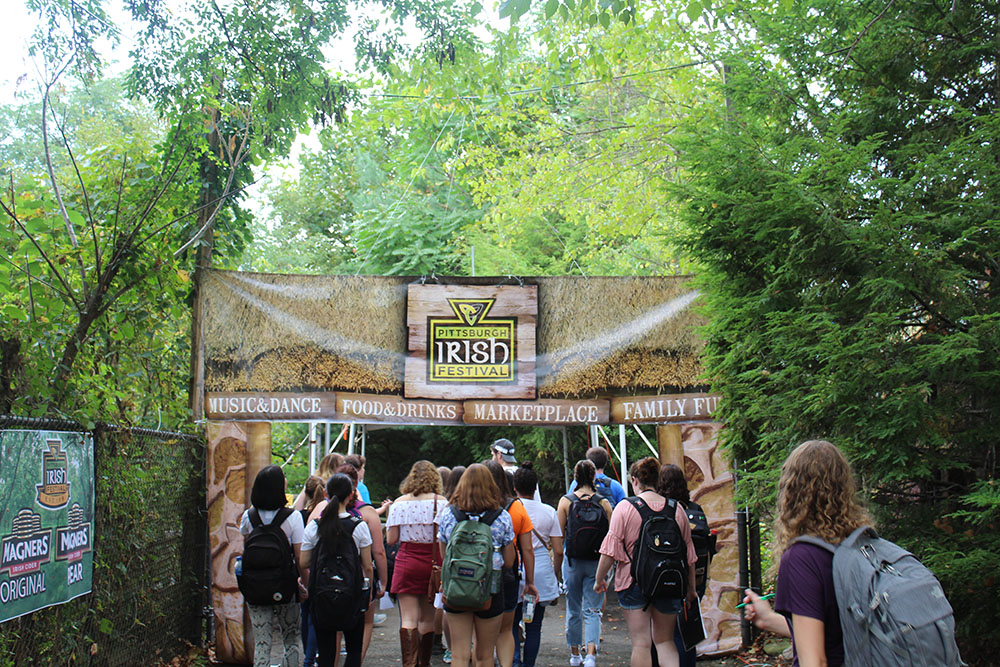
Temporarily located in West Homestead at the Riverplex at Sandcastle sits the Annual Pittsburgh Irish Festival. Taking place the weekend after Labor Day every September, this three-day festival is meant to bring authentic Irish culture to the Pittsburgh community. Founded in 1991, the Pittsburgh Irish Festival has transformed into one of the nation’s finest Irish festivals with some of the most comprehensive exhibits of Irish food, dance, music, and lore.
Address: 1000 Sandcastle Dr, West Homestead, PA 15120
Access: Outdoor, grass and pavement
Islamic Center of Pittsburgh
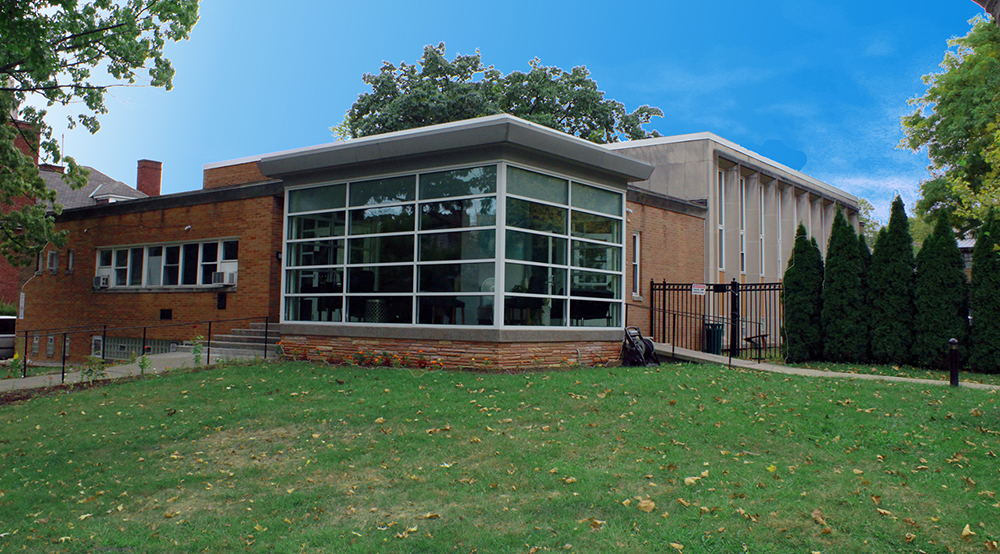
The Islamic Center of Pittsburgh is Oakland’s mosque. It is nestled on the corner of Bigelow Boulevard and Parkman Avenue in a quaint neighborhood called Schenley Farms. Because of an Islamic belief in Aniconism, which disallows the creation of people or animals in art, there are no portraits hanging inside of the building.
Address: 4100 Bigelow Blvd, Pittsburgh, PA 15213
Access: ramp available, tours can be scheduled
Kamin Science Center
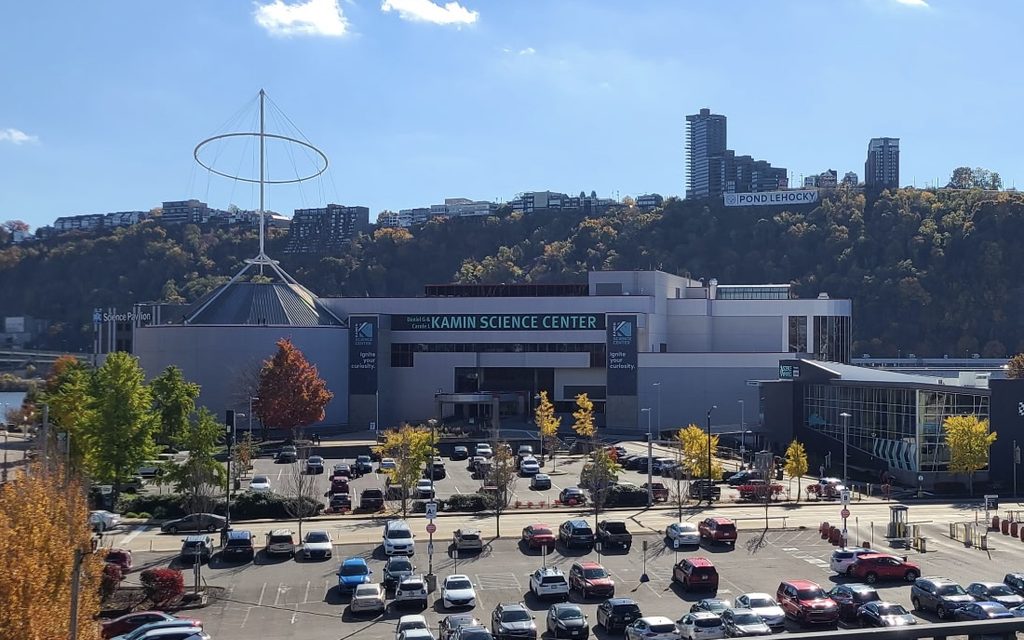
Kamin Science Center’s institutional purpose has remained consistent across decades of change, which is to connect people and science by igniting curiosity that lasts a lifetime. That mission is carried out through interactive exhibitions, planetarium programming, and community education initiatives.
Address: 1 Allegheny Ave, Pittsburgh PA 15212
Access: Accessible parking spaces, available motorized and unmotorized wheelchairs, and ramps.
Kelly Strayhorn Theater
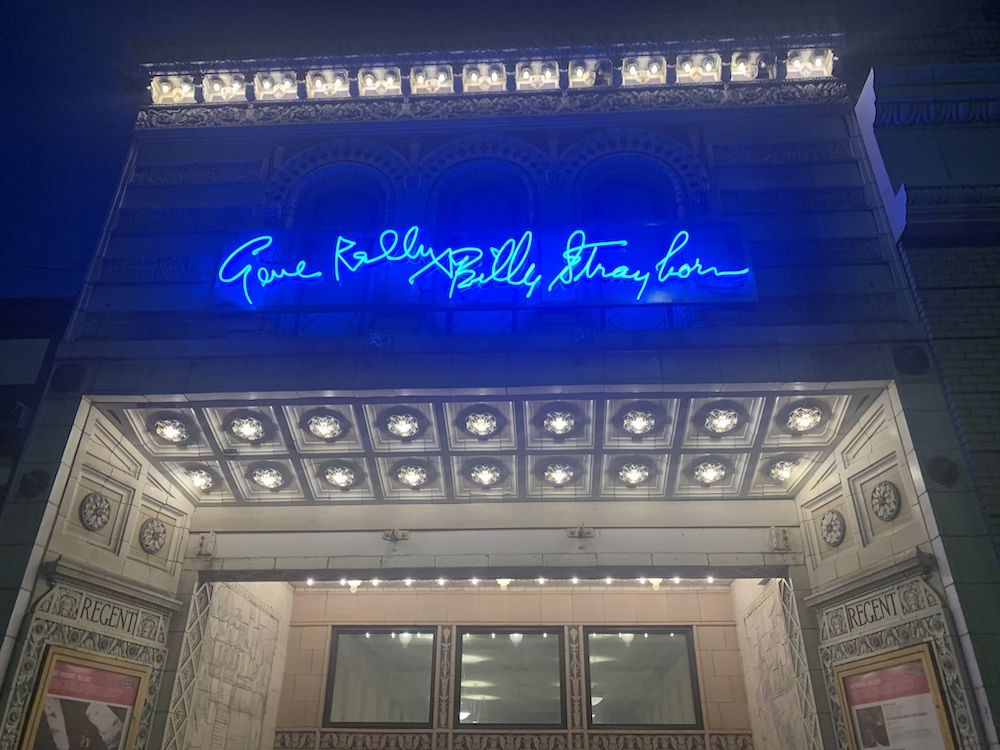
The Kelly-Strayhorn Theater, located in the East Liberty neighborhood of Pittsburgh, was originally built in 1914 as the Regent Theatre, a silent movie house. After undergoing various closures, it was clear the venue’s function as a movie theater was no longer serving the community’s needs. Following a campaign spearheaded by the local arts community, the theater officially reopened in 2001 as the Kelly-Strayhorn Theater, a performance space named to honor the legacy of inclusion and jubilation left behind by two legendary Pittsburgh artists, Gene Kelly and Billy Strayhorn.
Access: KST is committed to ensuring access to all its patrons, please contact admin offices (412.363.3000) with questions
Kennywood
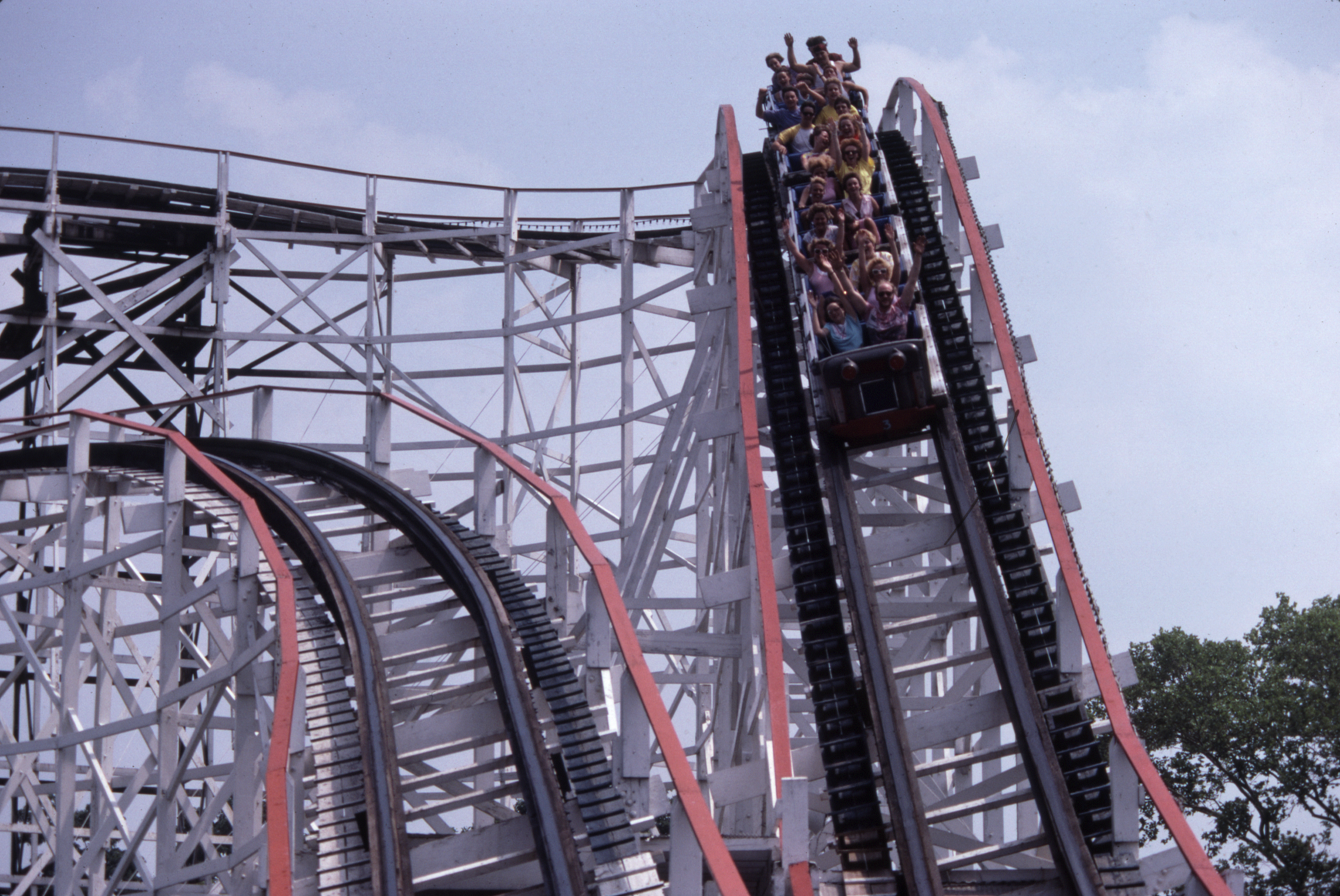
Kennywood is located in the West Mifflin suburb of Pittsburgh, sitting across the Monongahela River from North Braddock. What was once named “Kenny’s Grove”, at the turn of the 20th Century, the picnic spot was converted into a trolley park at the end of the Monongahela Street Railway’s trolley line. The park is now more than 120 years old, and just like their slogan says, it's really, “America’s Finest Traditional Amusement Park”, making it a National Historic Landmark.
Address: 4800 Kennywood Boulevard West Mifflin, PA 15122
Access: Park is accessible, but rides vary
Manor Theatre
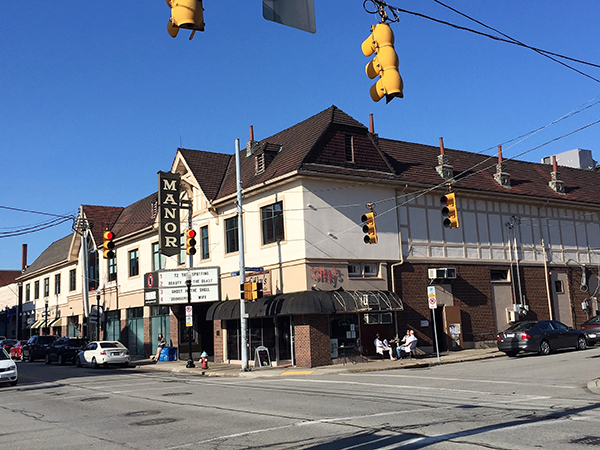
The Manor Theatre first opened its doors in 1922, making it one of the oldest theatres still operating in the country, but don't let its age fool you. This theatre is much more than just an old relic. Despite modern renovations, the charm of the original theatre has not been lost.
Address: 1729 Murray Ave, Pittsburgh, PA 15217
Access: No stairs, seats on ramp
Mattress Factory
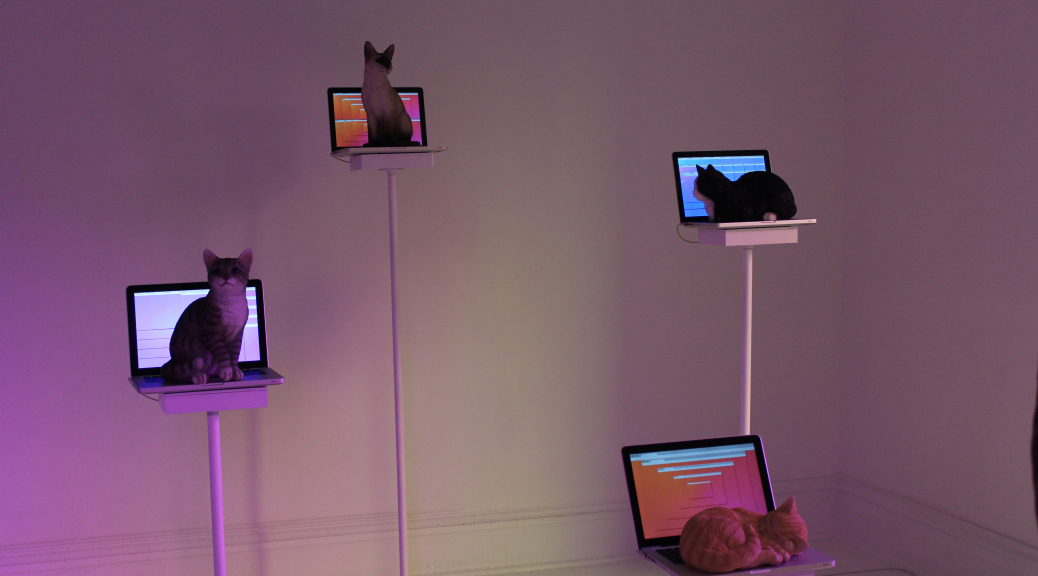
The Mattress Factory sits down a back alley in the middle of the Mexican War Streets of Pittsburgh’s North Side. Much like it’s surrounding neighborhood, rich with culture and a diverse population of Eastern European immigrants to artists of all types, the Mattress Factory offers unique and unexpected experiences at every turn. The Mattress Factory blends into its surrounding neighborhood by spreading the exhibits across multiple nearby buildings.
Address: 500 Sampsonia Way, Pittsburgh, PA 15212
Access: Elevator, some exhibits might have limited accessibility
Mellon Green
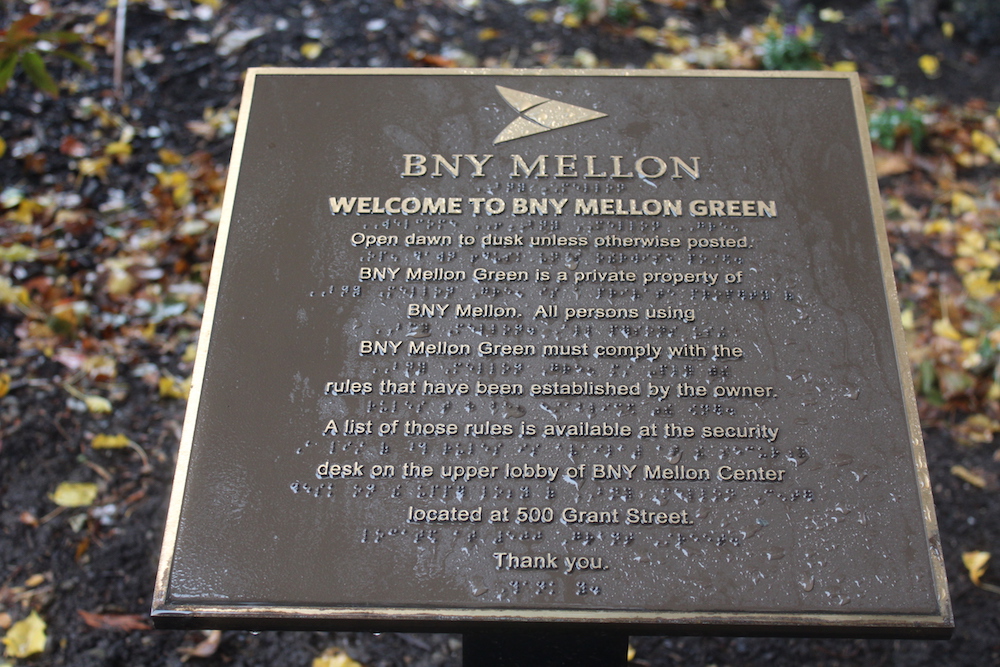
Mellon Green is a green space in downtown Pittsburgh. Surrounded by Grant Street, Ross Street, Oliver Avenue, and Sixth Avenue, the privately owned-public space provides a tranquil, open area in the center of the city. With a fountain in the center and benches creating an outer circle around it, Mellon Green is a popular place for business men and women to get some air and eat lunch.
Address: 501 Grant Street, Pittsburgh, PA, 15219
Access: Wide ramps, outdoors
Monroeville Mall
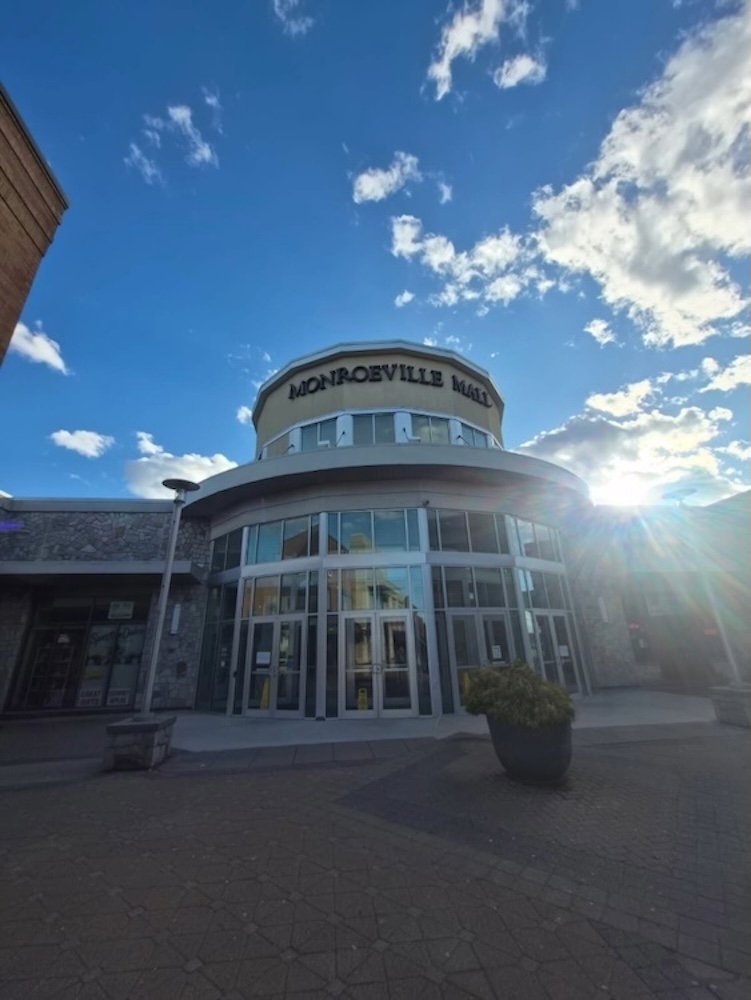
Constructed in 1967, the Monroeville Mall was intended to be one of the largest enclosed shopping malls in the USA. Oxford Development Company bought and developed the 280 acre area known as Harper’s Mine, located in Allegheny County, 13 miles east of downtown Pittsburgh. It was easy to access via the PA turnpike and Interstate 376 and anchored a major commercial corridor along Old William Penn Highway (route 22).
Address: 200 Mall Circle Dr, Monroeville, PA 15146
Access: Wheelchair ramps, elevators, disabled parking spaces
Moonshot Museum
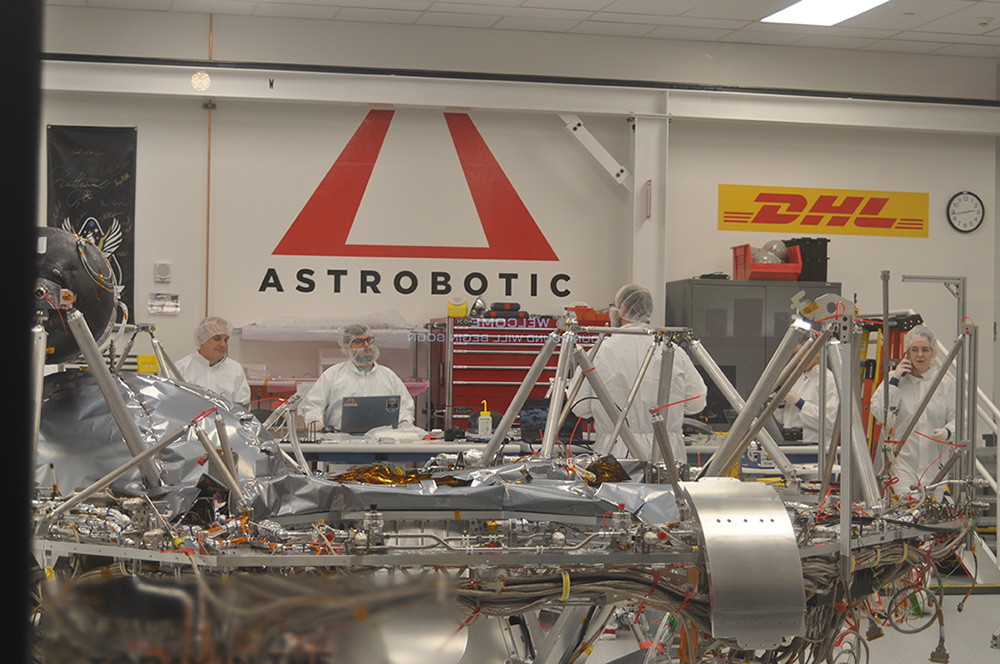
The Moonshot Museum was created by the Astrobotic company with the stated goal of teaching people about careers and future initiatives in the space industry, including career readiness programs, hands-on STEM education, public outreach programs, and efforts to inspire the next generation of engineers and scientists involved in lunar exploration. The Moonshot Museum opened in October 2022 (“Moonshot Museum Announces…”) while the company Astrobotic was founded in 2009.
Address: 1016 N. Lincoln Ave, Pittsburgh PA 15233
Access: ADA push button
Mt. Washington the Neighborhood
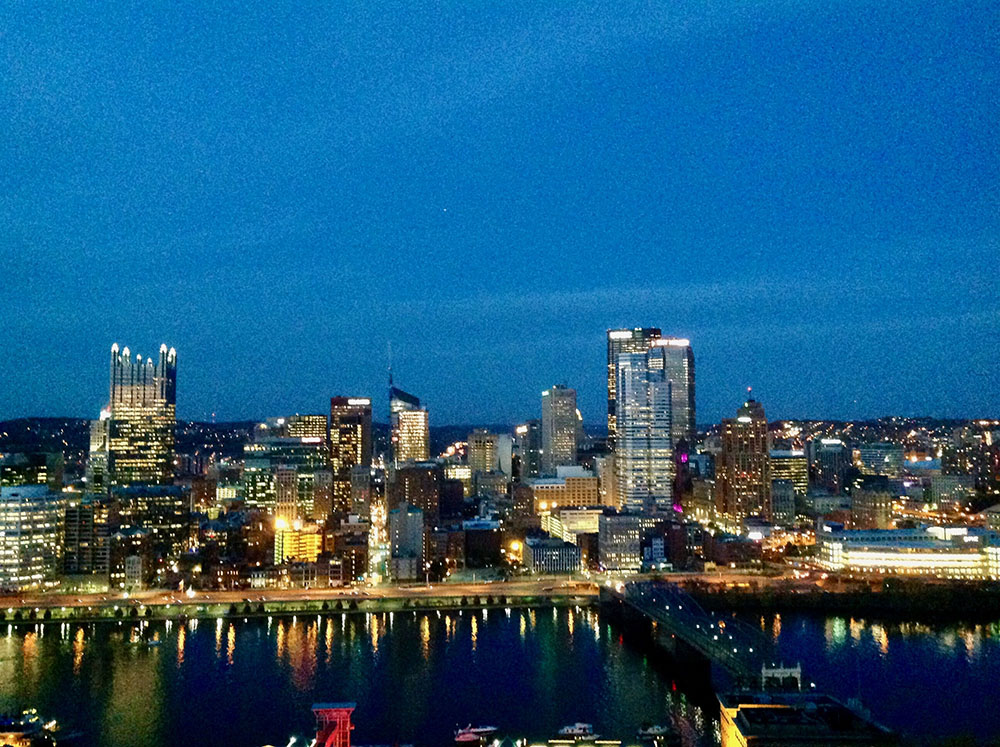
Every Pittsburgher knows Mt. Washington. It is home to one of the best views in America, an array of first-class restaurants, and some of the most expensive real estate in all the city. The Pennsylvania Department of Community Development describes the one-square-mile neighborhood as “a feast for the eyes and the tummy, too… a dog walker’s paradise… millionaires and just plain folk.”
National Negro Opera House
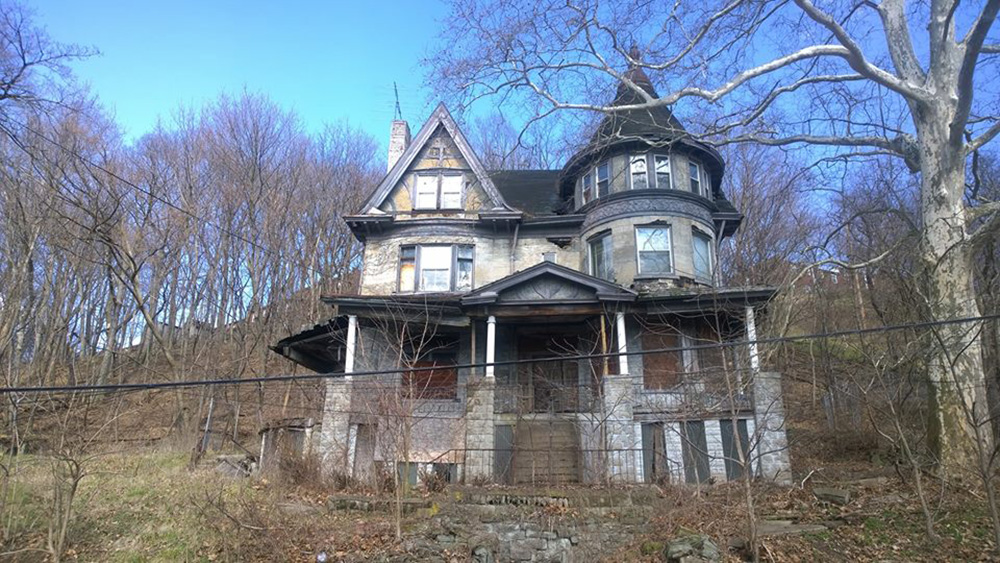
The National Negro Opera House was once a grand home for artists, musicians, and students in the Homewood neighborhood of Pittsburgh. Although the building was owned by legendary numbers runner Woogie Harris, the building has been abandoned for over 40 years. Because of its vital role in musical history in the black community, the Opera House received the status of a national historical monument in 2007.
Address: 7101 Apple Street, Pittsburgh PA, 15206
North Side
Since the construction of Heinz Field and PNC Park, Pittsburgh’s North Side has been known for its connection to the city’s dearest idols: sports teams. Pittsburgh’s baseball and football stadiums stand along the Allegheny River like monuments to many Pittsburghers’ favorite pastime; however, this was not always the case. What has now become a symbol of Pittsburgh Pride was once the completely separate Allegheny City.
Oakmont Bakery
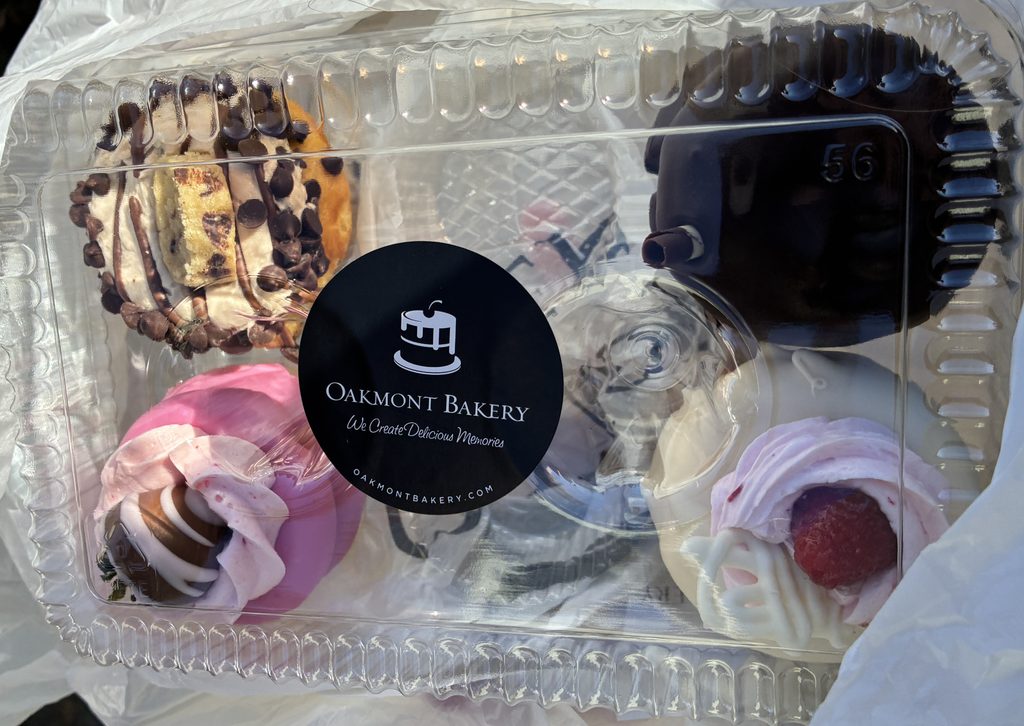
The smell of freshly baked cookies, cakes, and pastries greet every customer at the door. With a variety like no other, this bakery is a favorite for locals and visitors alike. Oakmont Bakery was once a small mom and pop donut shop, but it is now a 21,000 square foot space with two floors, making it one of the largest family-owned bakeries in the nation.
Address: One Sweet Street, Oakmont, PA 15139
Access: Wheelchair accessible entryways, parking areas, restrooms and seating. The “Sweet Line”, a check out area set aside from the bakery crowd, provides additional accessibility and accommodation for those who need extra assistance shopping.
Oakmont Country Club
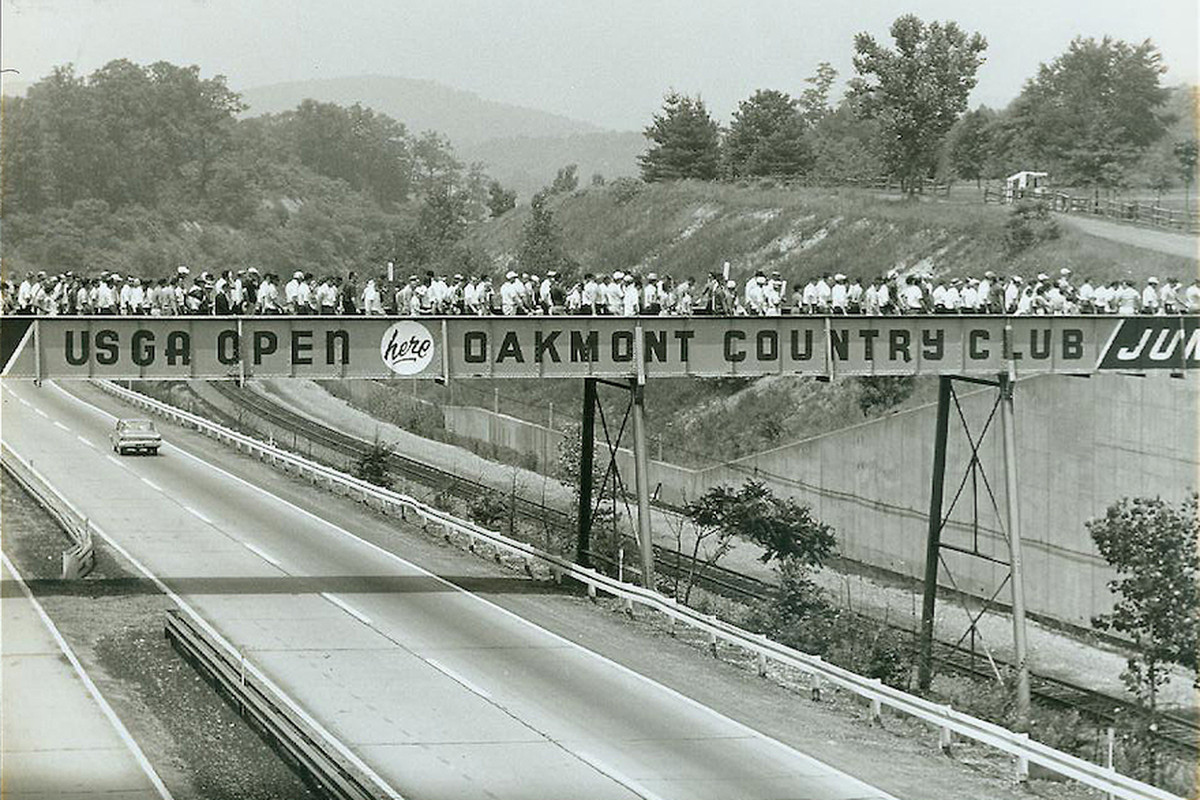
Located at 1233 Hulton Rd, Oakmont Country Club is one of the most prestigious golf clubs in the country. featuring one of the hardest courses in the world. The club brings major championship venue to the Pittsburgh area. Many come to this historical site of championship golf to watch the U.S. Open or one of the other tournaments it hosts.
Address: 1233 Hulton Rd, Oakmont, PA 15139
Access: Handicap accessible, golf carts available if needed for course
Phipps Conservatory
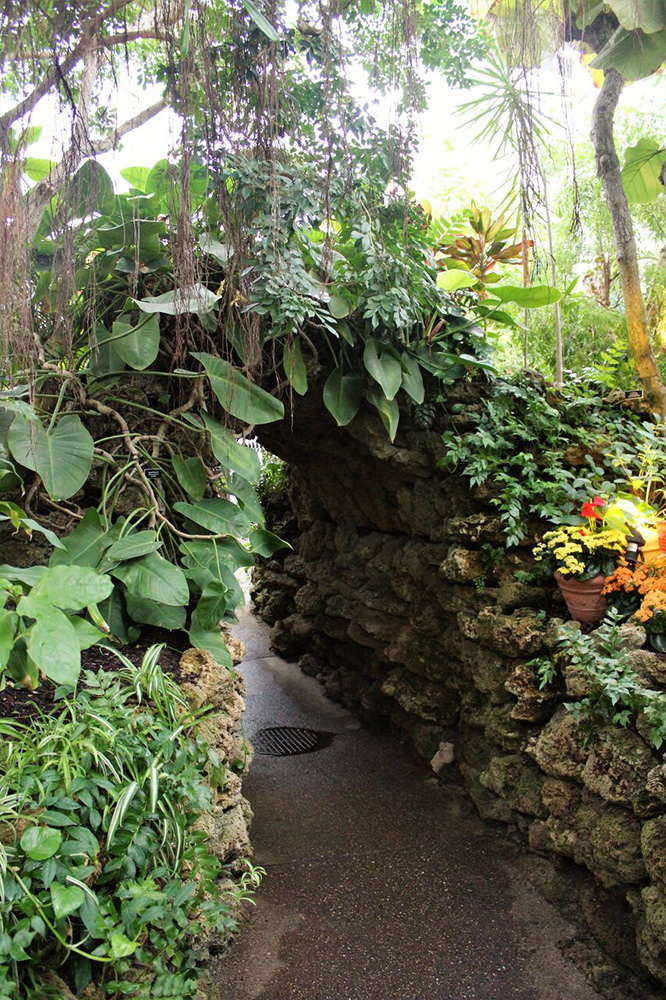
Phipps Conservatory and Botanical Gardens is located in Schenley Park toward the Oakland Neighborhood of Pittsburgh. Phipps Conservatory was founded by Henry Phipps in 1893 as a gift to the City of Pittsburgh. Phipps had made a fortune as an entrepreneur, and he believed that successful people should give back to the community.
Address: 1 Schenley Drive, Pittsburgh, PA 15213
Access: Handicap accessible
Pittsburgh Center for Creative Reuse
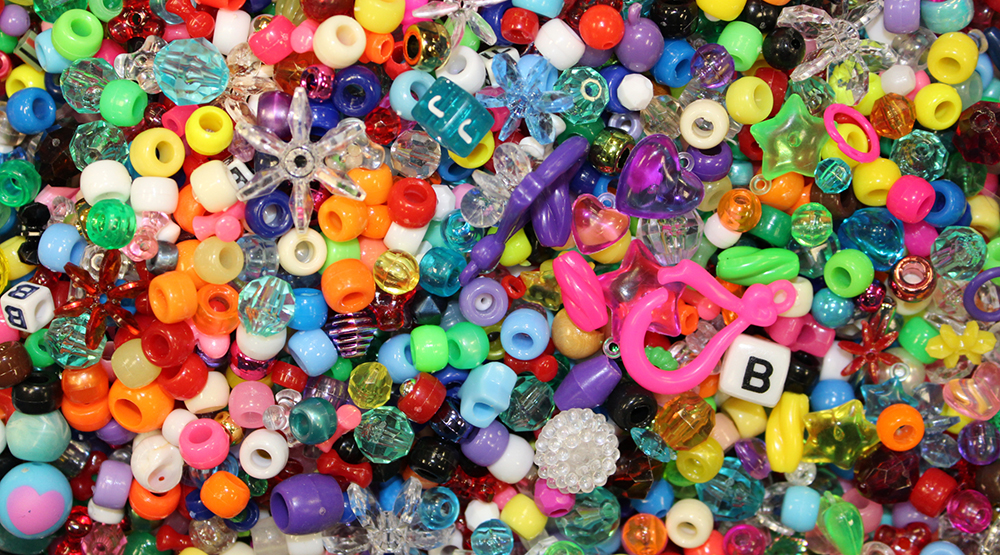
The Pittsburgh Center for Creative Reuse (PCCR) was started out of a van in 2007, but in its short life has already made a name for itself in the creative reuse culture of Pittsburgh. In 2008 a partnership between the Pennsylvania Resources Council and the center led to a new home on the second floor of Construction Junction’s warehouse space. Over time the steady increase of traffic and donations led them to outgrow their space and relocate to the ground floor of the same building.
Address: 214 North Lexington St, Pittsburgh, PA 15208
Access: Handicap accessible
Pittsburgh Glass Center
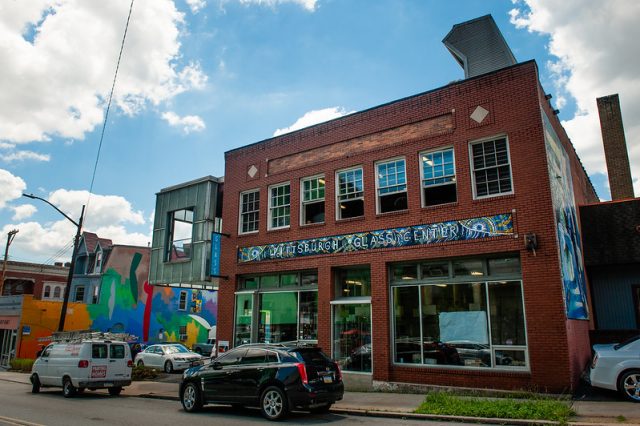
The Pittsburgh Glass Center is open to the public. You can walk in right off the street and experience tours and demonstrations during their open hours. There is a friendly, knowledgeable, and experienced staff of artists who will happily show off the building layout and display a rundown of what goes down in the process of making glass art.
Address: 5472 Penn Avenue, Pittsburgh PA 15206
Access: Classes available
Pittsburgh Tattoo Art Museum
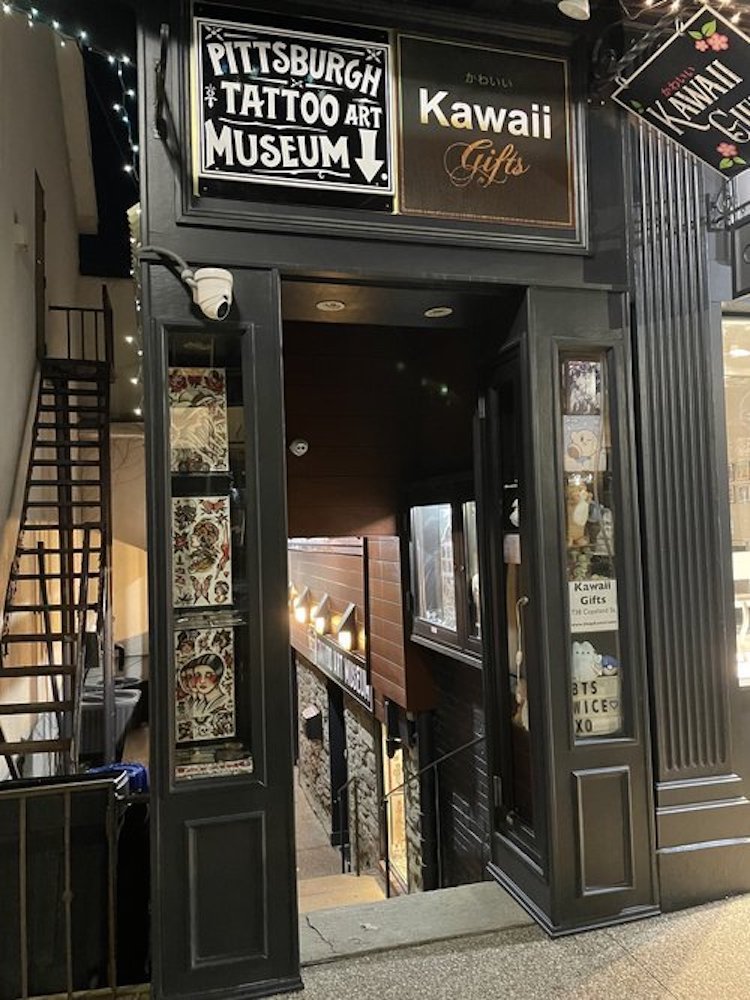
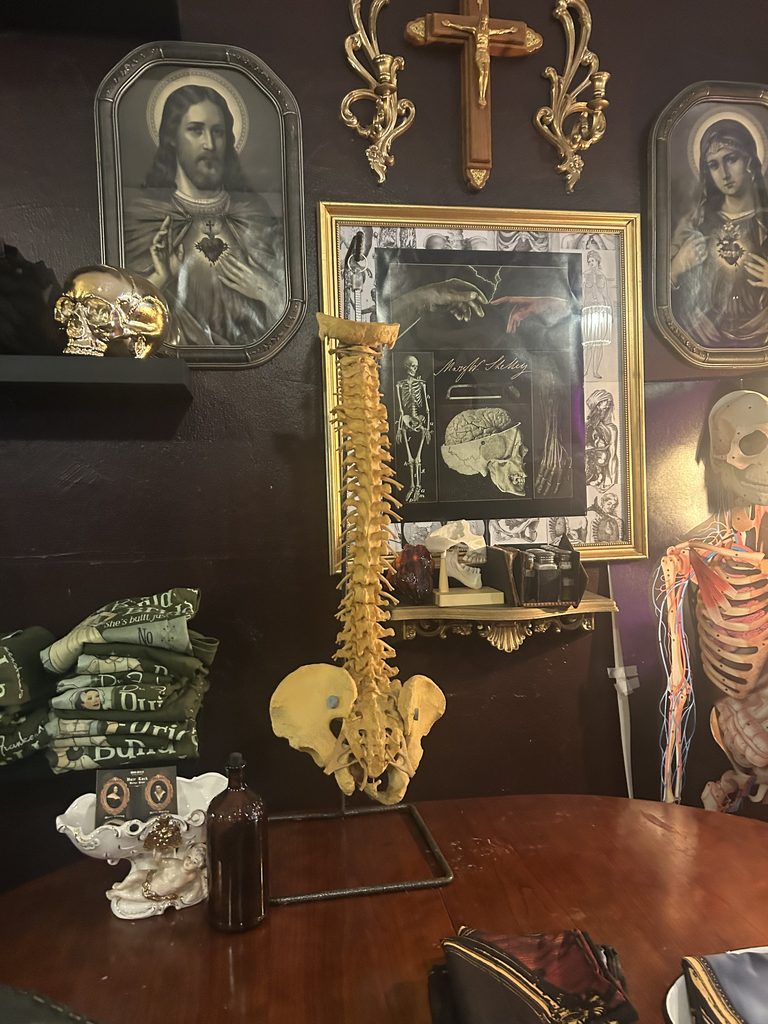
Pittsburgh Tattoo Art Museum is part museum and part tattoo shop that opened in Spring 2022. You can come in and look at early American traditional tattoo designs from the early 20th century. Afterwards, book an appointment with the owners Nick Ackman or Jill Krznaric to get a piece of history of their collection inked onto your body.
Address: 5413 A, Walnut Street, Pittsburgh PA 15202
Access: There are no elevators or ramps available
According to the Pittsburgh Tattoo Art Museum, they are located at the basement in the same building as Kawaii Gifts and Tennis Village. More specifically, they are at the corner between Walnut street and Telephone Way.
Pittsburgh Zoo and Aquarium
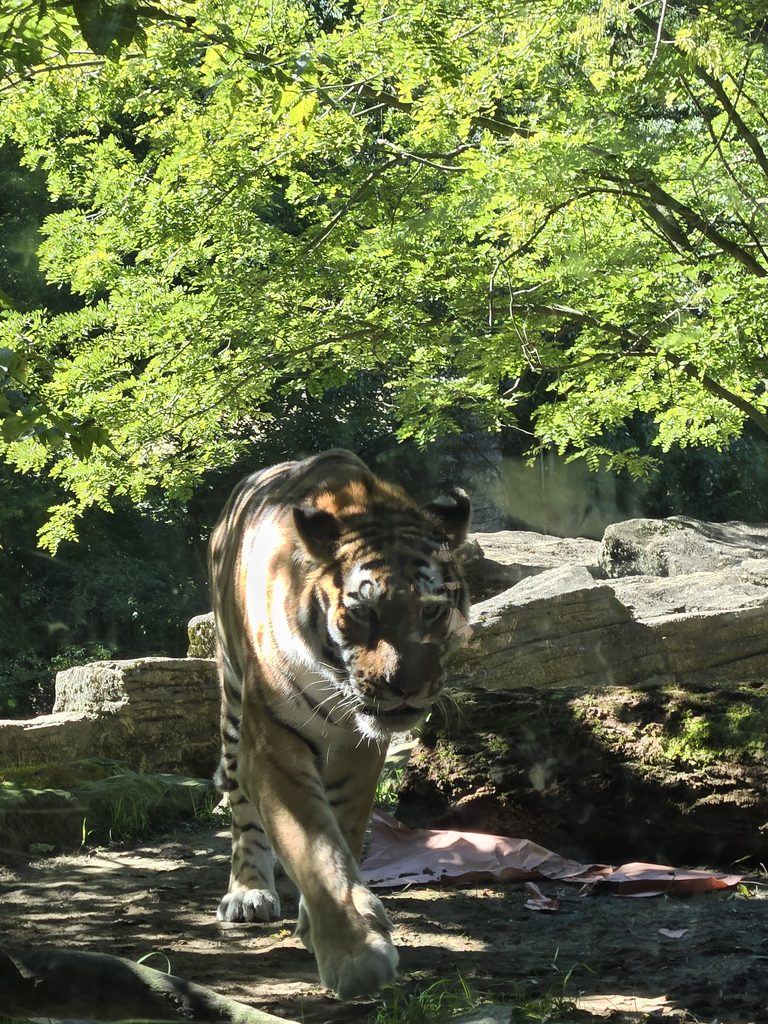
From the African savanna and tropical rainforests to the Arctic and the aquatic, Pittsburgh Zoo and Aquarium unites many diverse ecosystems, bringing them into our city. While it's a classic field trip destination, this sprawling complex holds quiet corners and surprising encounters that even lifelong locals often miss. Let’s step off the beaten path and uncover the hidden gems waiting inside this urban jungle.
Address: 7370 Baker Street
Access: Wheelchair and stroller rentals. Sensory maps for people avoiding high sensory areas. Auditory descriptions for visually impaired people. Sign language interpreters can also be provided. Nursing and changing tables available throughout the park. Support animals and services are allowed. Free parking.
Pittsburgh’s Historic Chinatown
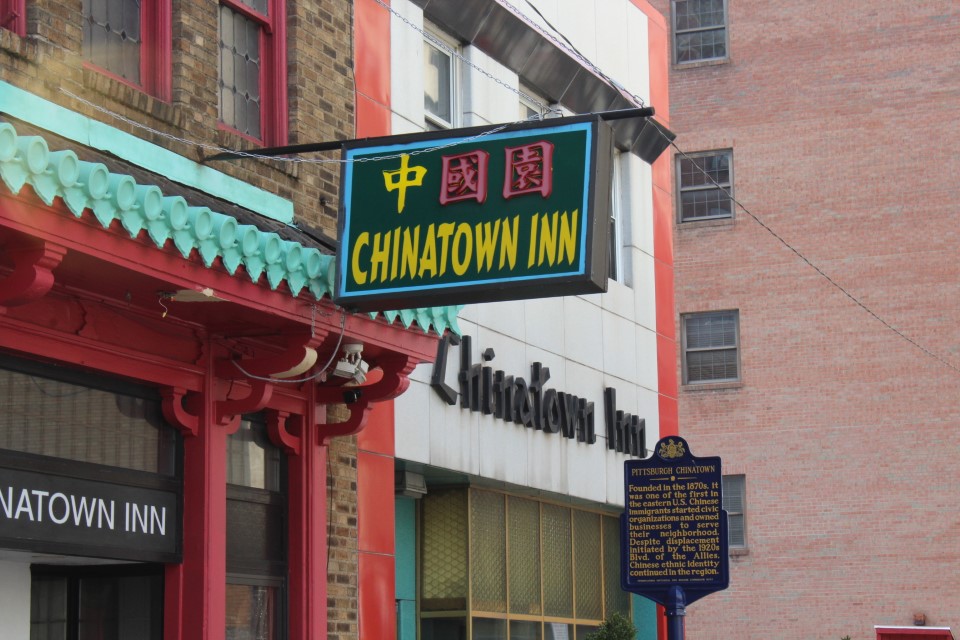
Pittsburgh's Historic Chinatown is the former home of the small, but vibrant, Chinese immigrant community from the mid-19th century into the early 20th century. A self-contained community of markets, grocery stores, and shops sprung up alongside the tongs, also known as associations. These organizations organized cultural events and allowed for a more formal support network to emerge.
Address: 520 Third Avenue, Pittsburgh, PA 15219
Access: Public and street level sidewalks
Randyland
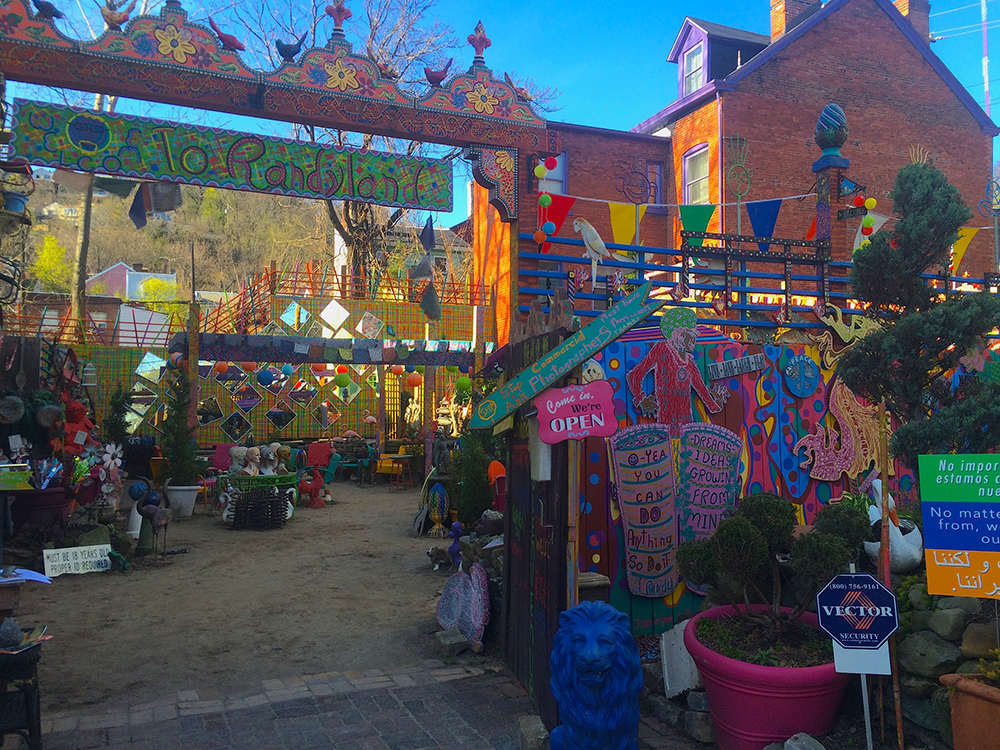
Since its establishment within Pittsburgh’s Mexican War Streets 21 years ago, Randyland has made a name for itself worldwide. Though visitors will see more than enough motivational quotes to get them through the year, it’s more than just the painted and printed words that make this outdoor art gallery so special.
Address: 1501 Arch Street, Pittsburgh, PA 15212
Rivers of Steel River Tour
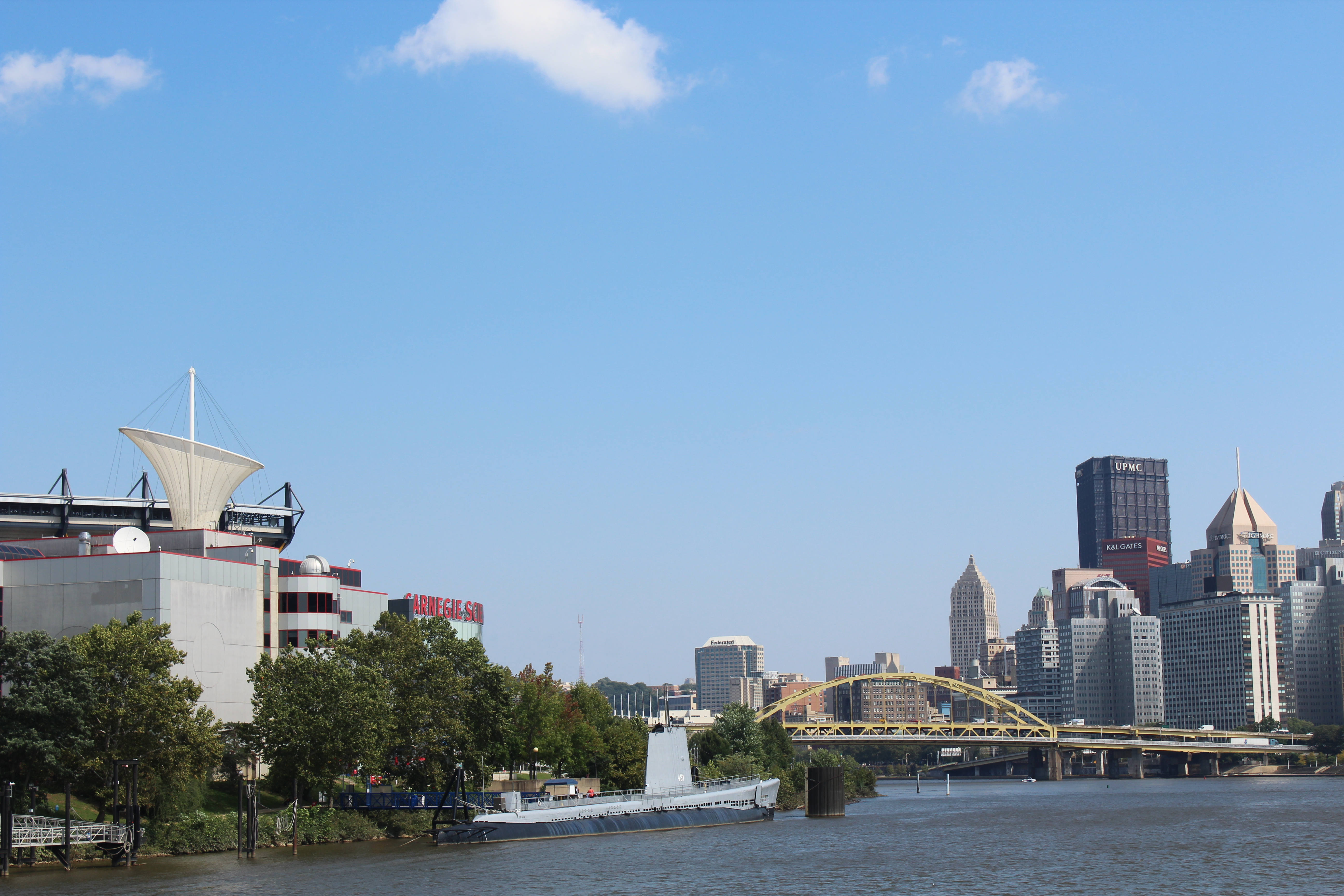
The Rivers of Steel company offers several boat tours including the Uniquely Pittsburgh Sightseeing Tour and the Hardest Working River Tour, both delivering some of the most unique views of Pittsburgh. This tour allows you to view the city from a perspective that is often overlooked, the rivers. Your journey begins as you take off from the North Shore of the Ohio River, heading through the Allegheny River.
Access: Accessibility different by tour, contact Rivers of Steel for exact information
Rodef Shalom
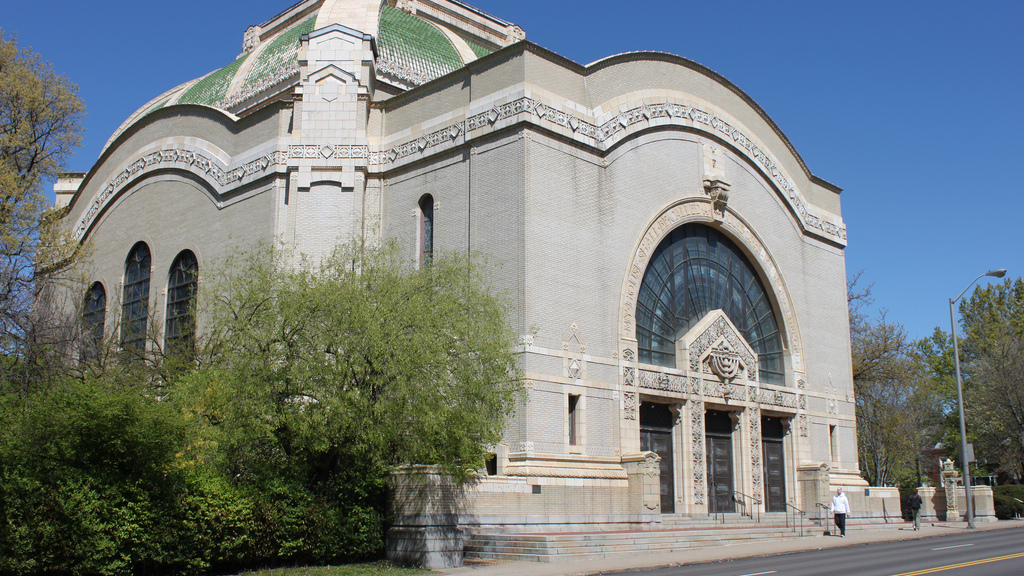
From the street view of Fifth Avenue in Shadyside, the massive green dome of Rodef Shalom can be spotted peeking through the treetops. Shadyside is a tranquil, family-oriented neighborhood just a few blocks from the bustling college life of Oakland. Founded in the 1840s, Rodef Shalom is the oldest Jewish congregation in Pittsburgh.
Address: 4905 Fifth Ave, Pittsburgh, PA 15213
Access: Has ramps for building, garden has paved pathways
Saint Nicholas Catholic Church
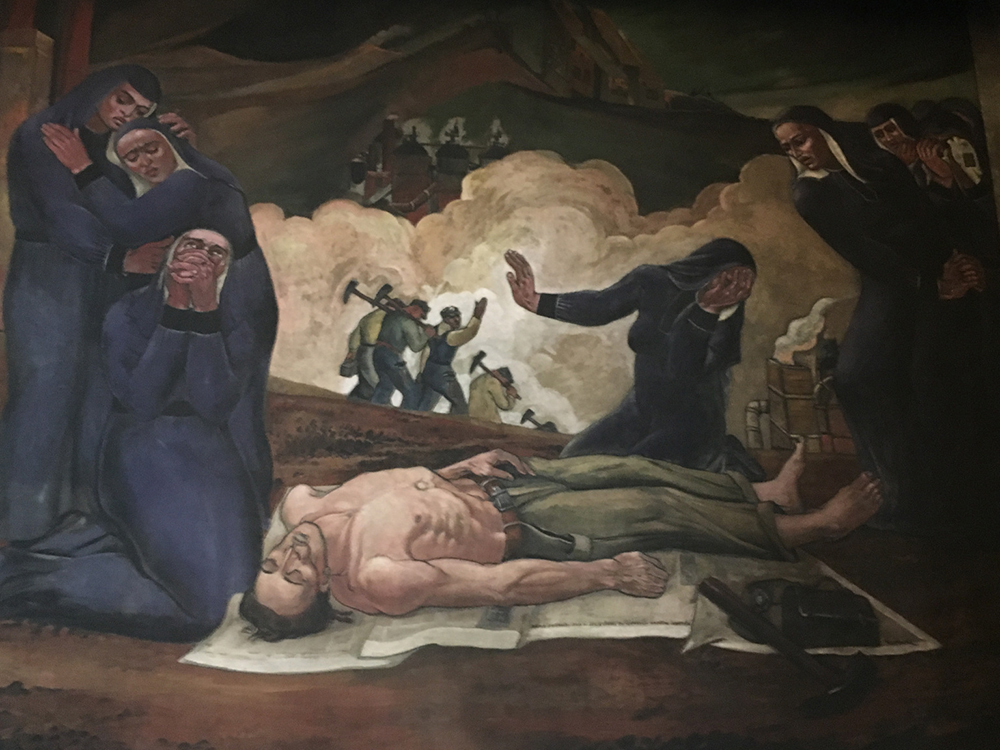
St. Nicholas Catholic Church, established in 1894, was the first Croatian Catholic parish in America. The present structure was built in 1922 on Bennet Hill in Millvale, PA, which was one of many mill towns along the Allegheny River where immigrants flocked to from around the world to work in the steel mills and coal mines.
Address: 24 Maryland Ave, Millvale, PA 15209
Access: Handicap accessible
Schenley Park
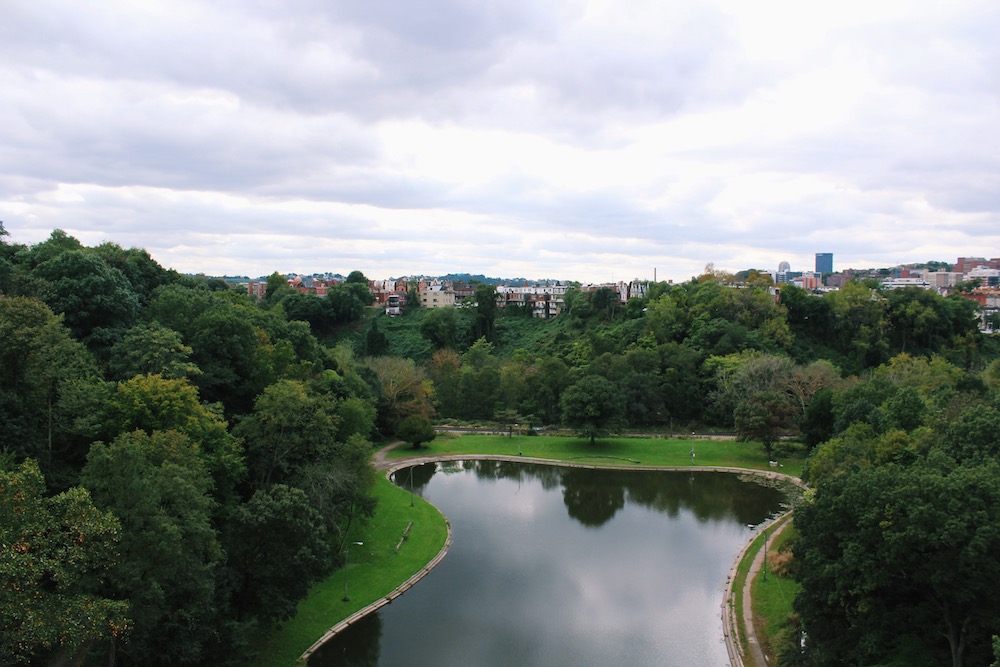
Schenley Park opened in 1889 and was created from land gifted by Mary Schenley, who inherited the land from her father. Mary Schenley donated the land for the park under the conditions that it bear her name and never be sold for other use. Thus, Schenley Park was born and has been a staple of Pittsburgh’s green spaces ever since.
Address: 101 Panther Hollow Rd., Pittsburgh, PA 15213
Access: Limited ramps for wheelchairs and other mobility aides
Shrine of the Blessed Mother
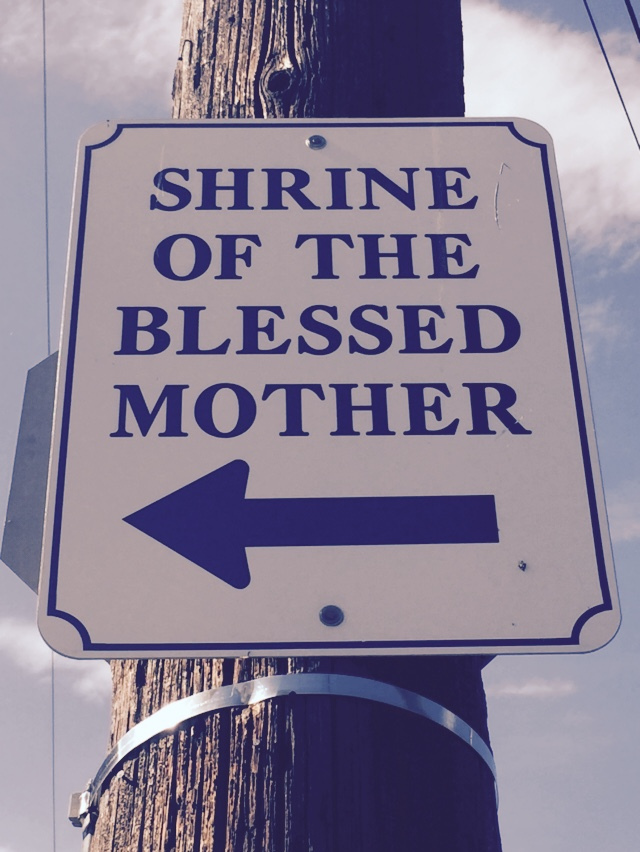
If you descend into the very depths of South Oakland, as far south as you can go before you hit the Monongahela River, you will come to the edge of a cliff. Tucked away at the bottom of a treacherously steep cobblestone road, nestled behind two isolated houses is a small grassy area marked by a narrow brick walkway, several large crosses, and a dome-like structure facing away from the entrance. This is the Shrine of the Blessed Mother.
Address: 6 Wakefield St, Pittsburgh, PA 15213
Access: Footpath, not handicap accessible
Silver Eye Center for Photography
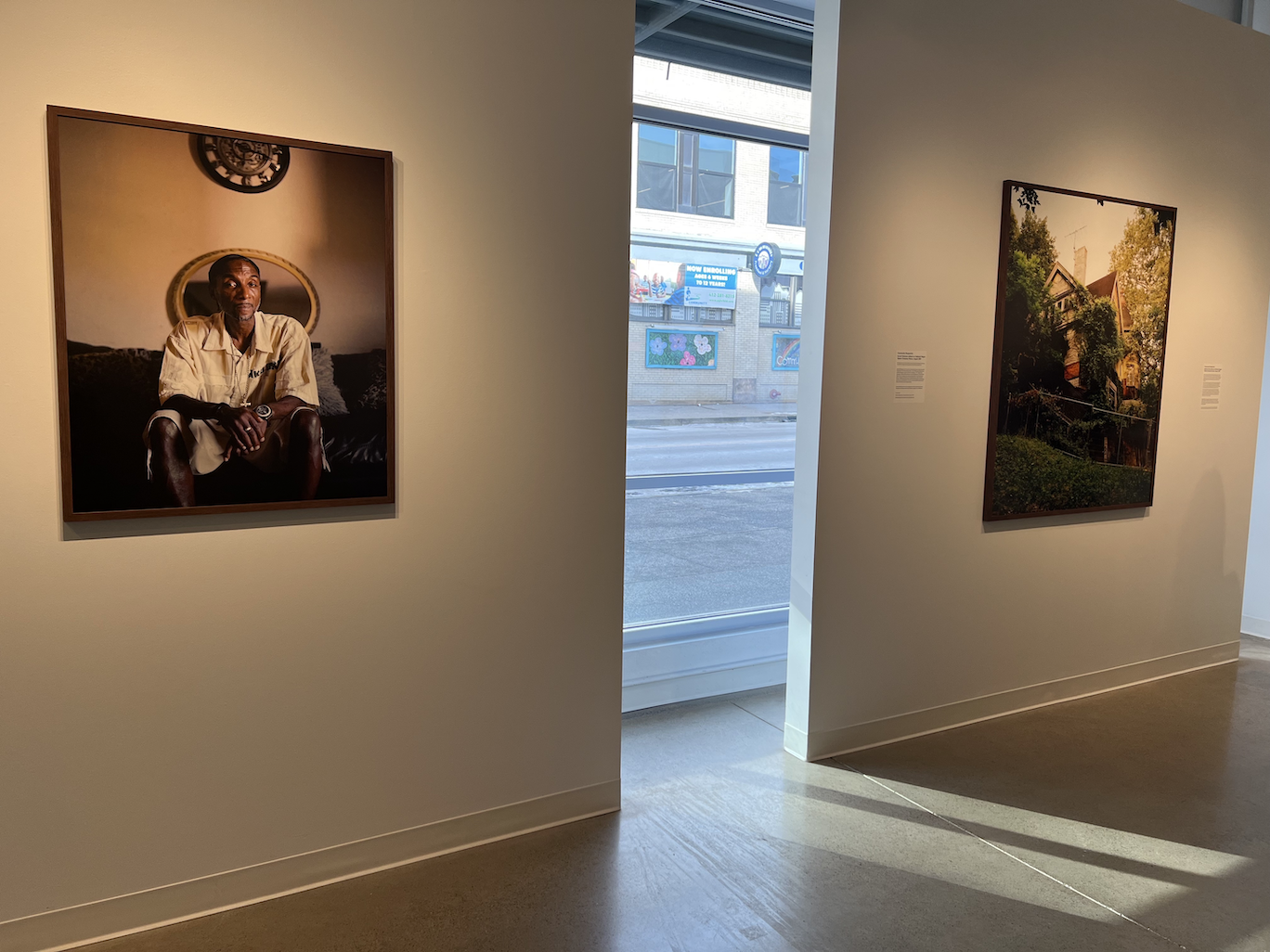
Silver Eye Center for Photography, located between Bloomfield and Garfield on Penn Ave, is Pittsburgh’s first and only non-profit that is committed to promoting the wonders of contemporary photography. Silver Eye offers educational programs and exhibitions that are free to the public. They also serve as a space for aspiring artists to create and connect through their digital lab.
Address: 4808 Penn Ave, Pittsburgh, PA 15224
South Side Steps
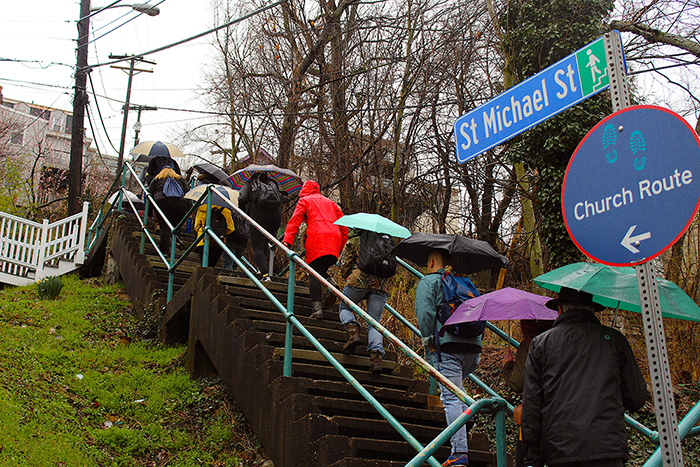
Sutherland Hall
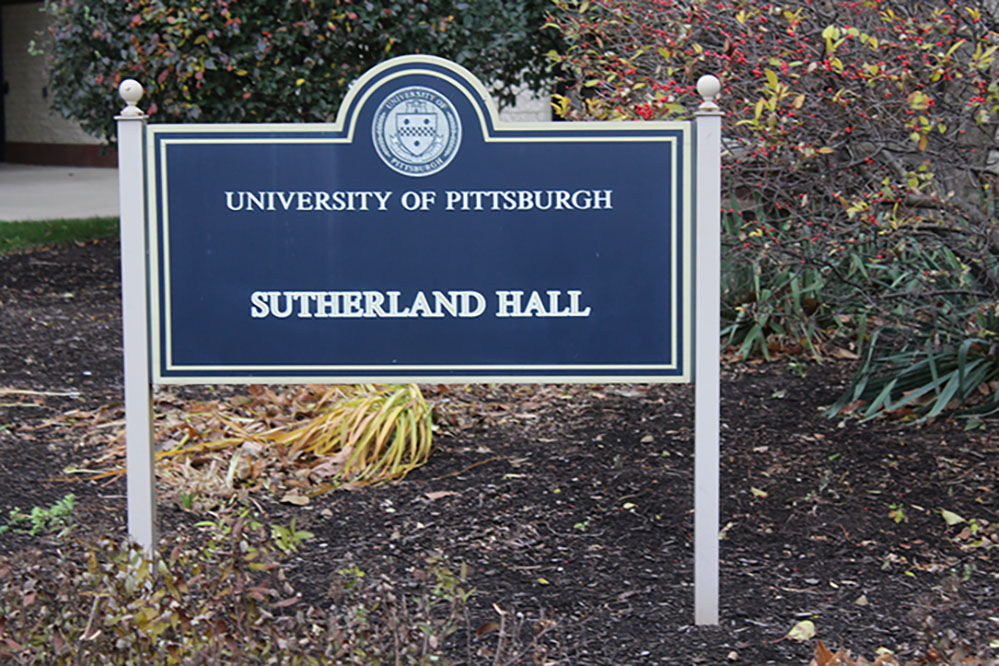
Sutherland Hall, located at 3725 Sutherland Drive, can be conveniently found simply by walking up all 200 steps in front of and besides the Peterson Events Center, or much more easily by hopping onto the 10A shuttle which departs from in front of Cathy on Bigelow Boulevard. As soon as you reach the patio, the bright red roof and hotel looking mauve exterior can be seen just above the horizon. The hall houses 739 majority first-year students—a large portion of which are athletes—and even boasts its own dining hall which, if you ask any student on Pitt’s campus, has far better food compared to Market.
Address: 3725 Sutherland Drive Pittsburgh, PA 15213
Access: Has elevators
The Free Store (Braddock)
The Frick Estate
In the age of the industrial revolution, Andrew Carnegie and Henry Clay Frick were huge names in the steel industry. Frick helped Carnegie build his company as a chairman of Carnegie Steel. Frick’s name is especially controversial because of his involvement in the violent Homestead strike of 1892, which eventually led to his separation from Carnegie and his company.
Address: 7227 Reynolds St, Pittsburgh, PA 15208
Access: Handicap accessible
The Historic Bellefield Neighborhood
While many of us recognize the bustling neighborhood of Oakland and the University’s Bellefield Hall, few know about the historic Bellefield neighborhood. In its history, a significant number of Oakland residents referred to parts of Oakland by different names, which were known as “sub-neighborhoods”. Bellefield is one of the four sub-neighborhoods that make up Oakland, including Schenley Farms, South Oakland, and Terrace Village (“An Atlas of the Oakland Neighborhood of Pittsburgh 1977” 4).
The Nationality Rooms
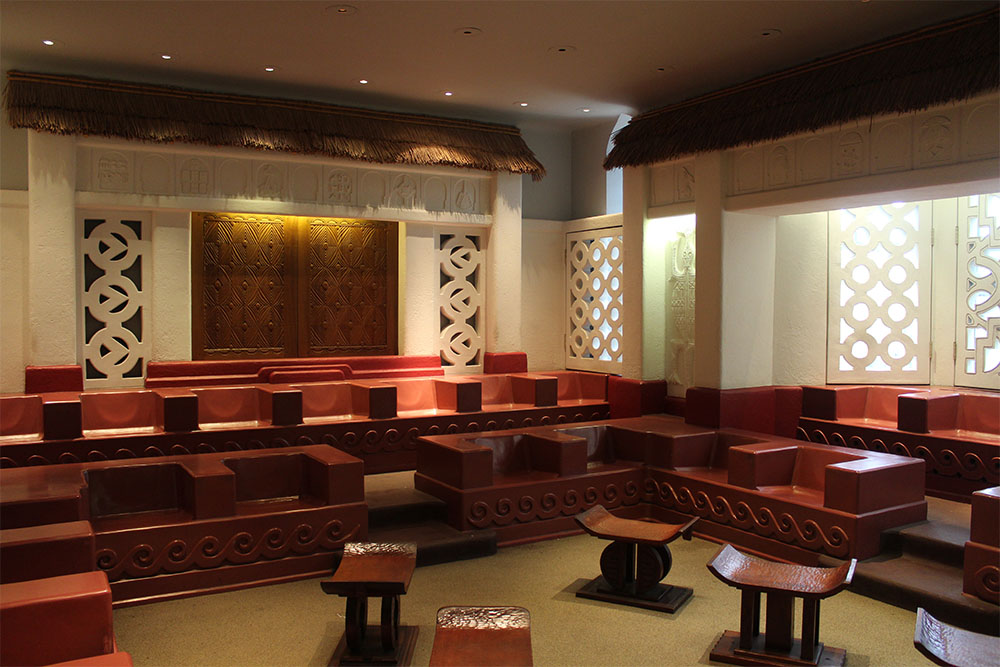
If you enter the Cathedral of Learning and only marvel at the architecture of the Commons Room, you will miss out on the adventure of peeking into the classrooms that surround the great hall. These classrooms aren’t the standard chalkboards and desks; they offer a look at places like Germany, Romania, or Sweden. How is this possible?
The Original Crawford Grill
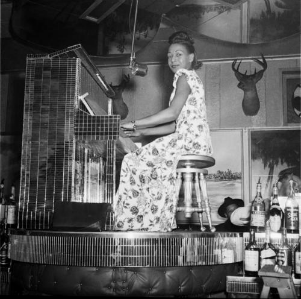
Established in 1933, the original Crawford Grill quickly became a focal point in the black community. Geographically placed in between Chicago and New York and in the prime of the jazz era, the Crawford Grill became a hot spot for jazz lovers. “Club Crawford”, as it was commonly known, was three stories high.
Address: 1401 Wylie Avenue, Pittsburgh, PA
Access: Building demolished in 1959.
The Protractors
The Quantum Theatre
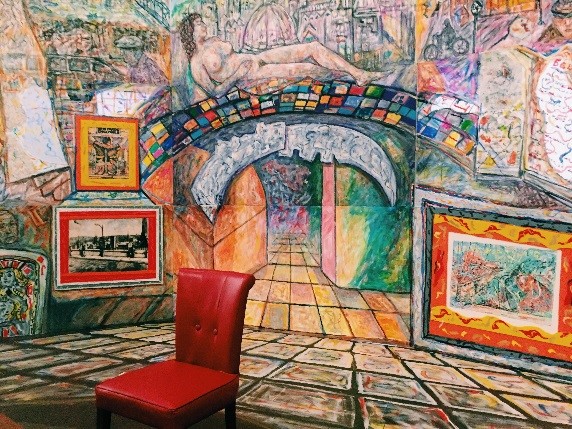
The Quantum Theatre isn’t an ordinary theater. Their December 2016 performance, the River, was performed in a modified drydock in the Aspinwall Riverfront Park. The play, written by Jez Butterworth, features a non-linear story about a man’s love life in which he brings various women to the fishing cabin where he grew up.
Address: Box office located at 5907 Penn Ave Suite 210, Pittsburgh, PA 15206
Performance venues vary
Access: Varies by performance venue
The Roots Cellar
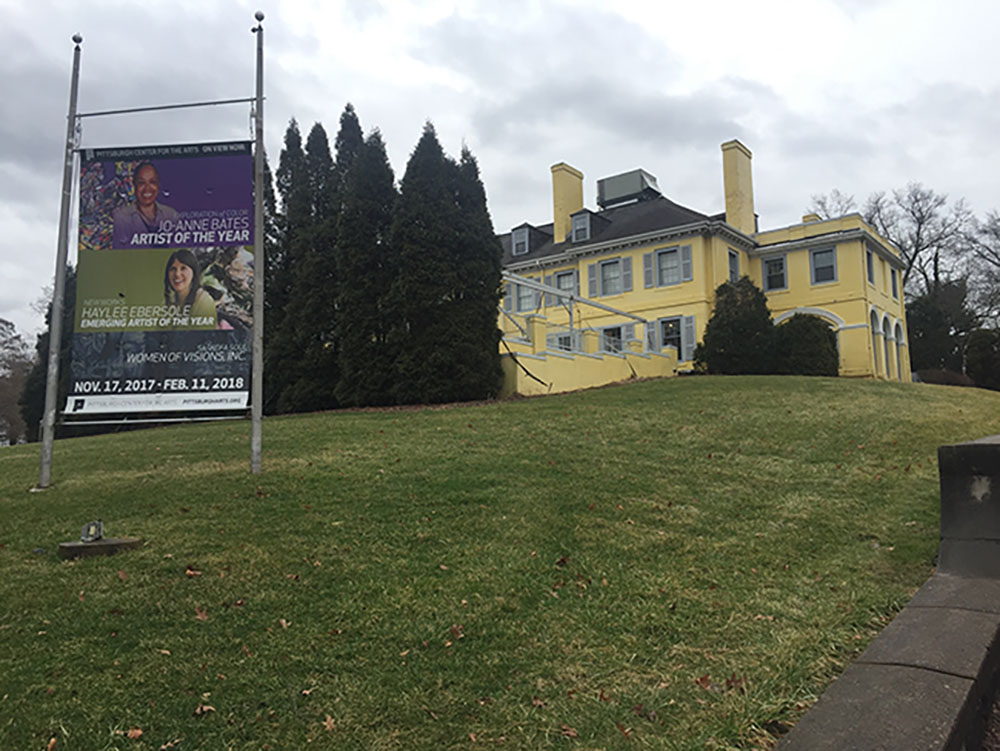
The Roots Cellar is an intimate concert venue located inside Pittsburgh's Center for the Arts. The mansion that houses the Center was originally built in 1911 on "Millionaire's Row" for wealthy industrialist, Charles D. Marshall. However in 1943, Marshall donated his home to the city and it became the Arts and Crafts Center, which was later renamed the Pittsburgh Center for the Arts.
Address: 6300 Fifth Avenue, Pittsburgh PA 15232
Access: Handicap accessible
The Space Upstairs
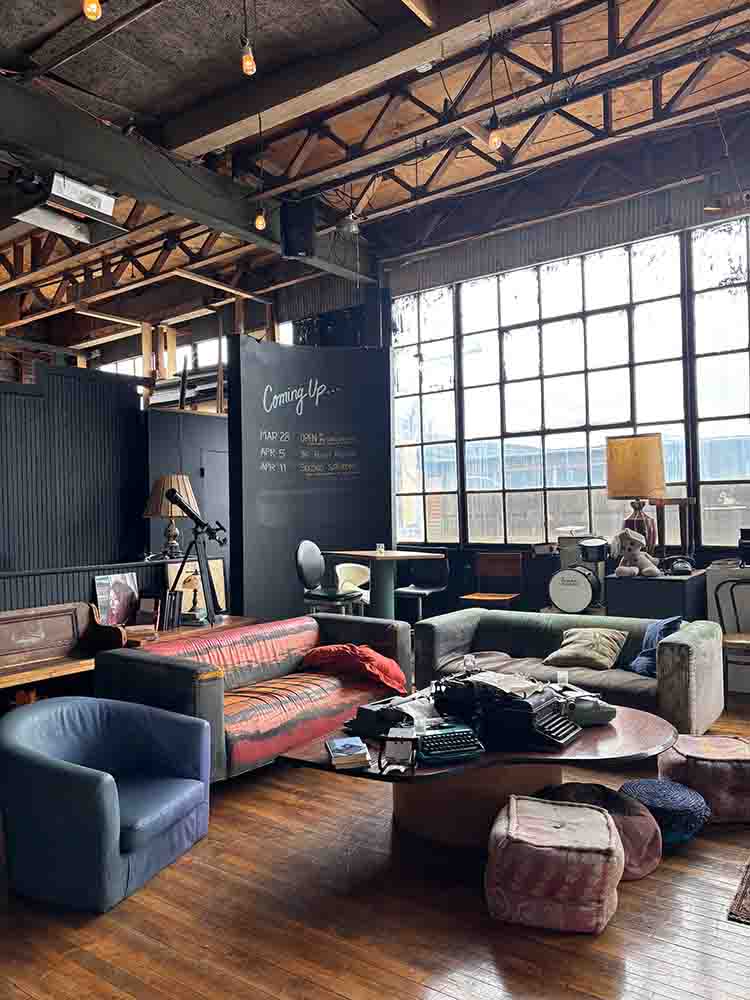
The Space Upstairs celebrates its 20th anniversary this year since its opening in 2006. Point Park graduate, artistic director, and the Space’s founder, Jaka Zakajinn, created their vision for a multi-purpose performance space in Pittsburgh. Construction Junction, the generous downstairs neighbor of The Space Upstairs, allowed Zakajinn to utilize the space free of charge, and it has been self-sustained for 20 years.
Address: 214 N Lexington St, Pittsburgh, PA 15208
Access: None available
The Strip
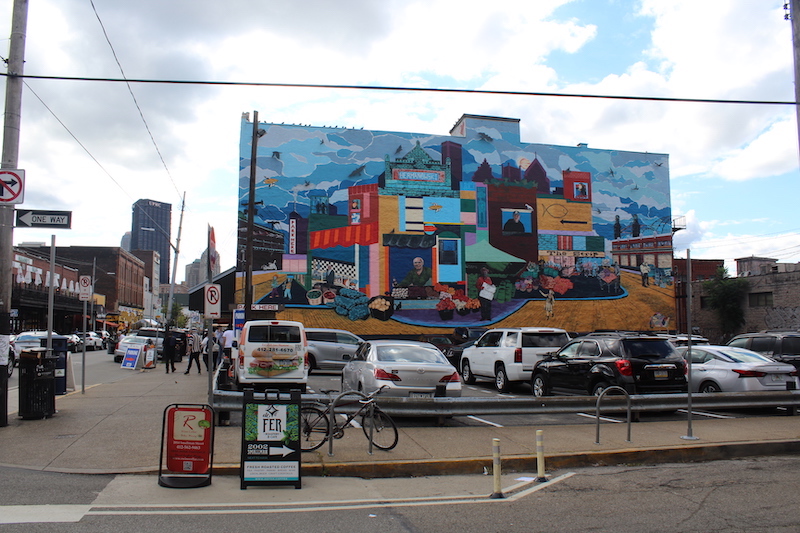
Black and Gold letters shout out at you from all angles in the Strip District. It’s easy to see the Pittsburgh pride with stall after stall selling all sorts of sports paraphernalia. But it’s not just sports pride that you can find in the Strip District.
Address: Between the 11th and 33rd block of Penn Ave, North of Downtown. From the south bank of the Allegheny river to Liberty Ave.
Access: Busy sidewalks with limited space, individual store accessibility varies
The Waterfront
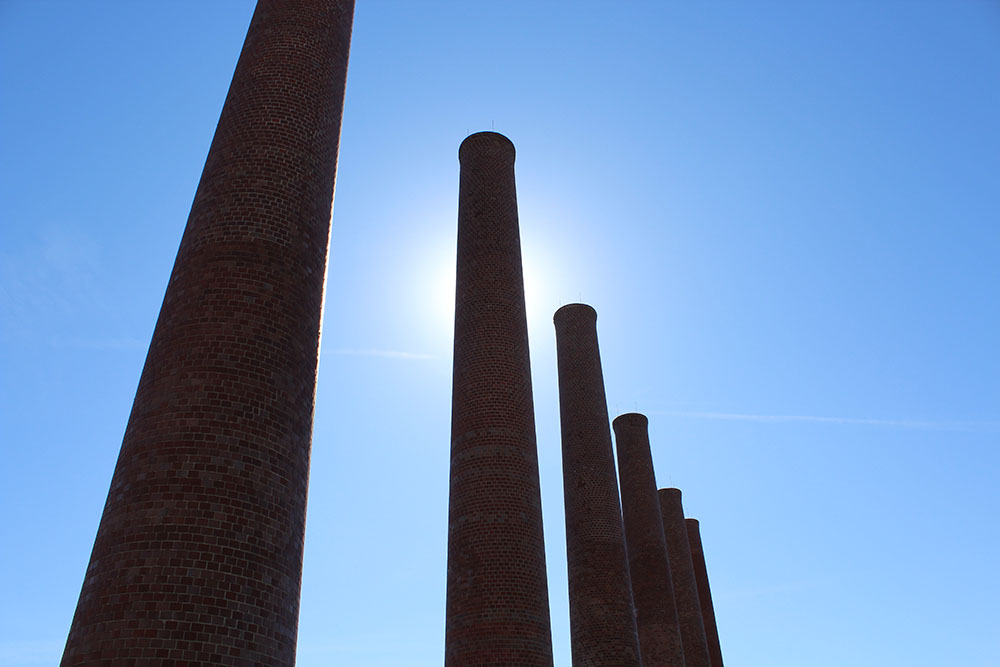
The Waterfront is Homestead’s answer to revitalization attempts of what used to be steel mill dominated land. Opened in 1999 on the former land of the Homestead Steel Works, The Waterfront spans nearly 2.5 miles. It aspires to be the premiere retail and entertainment center for the Monongahela Valley; however, some of its efforts may have been overambitious and lacking creativity.
Address: 149 West Bridge St, Pittsburgh, PA 15120
The Wheel Mill
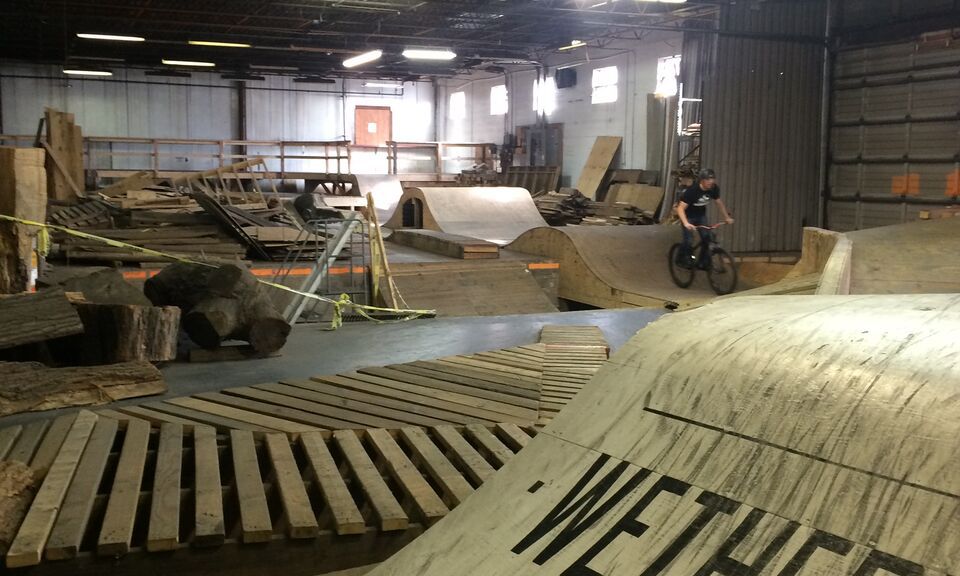
As one of just six indoor bike parks in the country, this park is a rare gem for the local cycling community. The Wheel Mill was inspired by Ray’s Bike Park in Cleveland, Ohio and has over 70,000 square feet of skate park. Inside this converted row of warehouses, there are rooms ranging from half pipes to pump tracks and foam pits for BMX riding to trail rooms and mountain biking skill rooms.
Address: 6815 Hamilton Ave, Pittsburgh, PA 15208
Access: Handicap accessible indoor site
Trinity Episcopal Cathedral
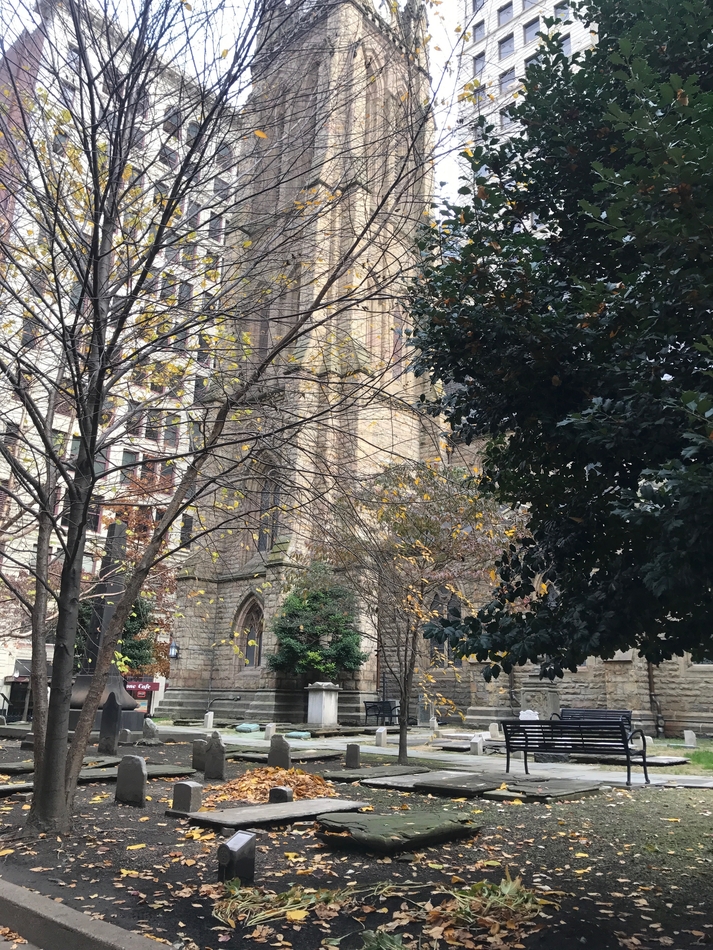
Located in Pittsburgh’s bustling Downtown neighborhood, Trinity Cathedral has been a part of the city for almost as long as the city itself has existed. The story of the cathedral begins in 1787 when one of William Penn’s heirs gifted land originally used by Native Americans, the French army, and the British army as a burial ground to the Episcopal church. The first structure was “The Round Church,” built in 1805, which allowed the congregation to meet in a church rather than people’s homes or the courthouse.
Access:
Westinghouse Park
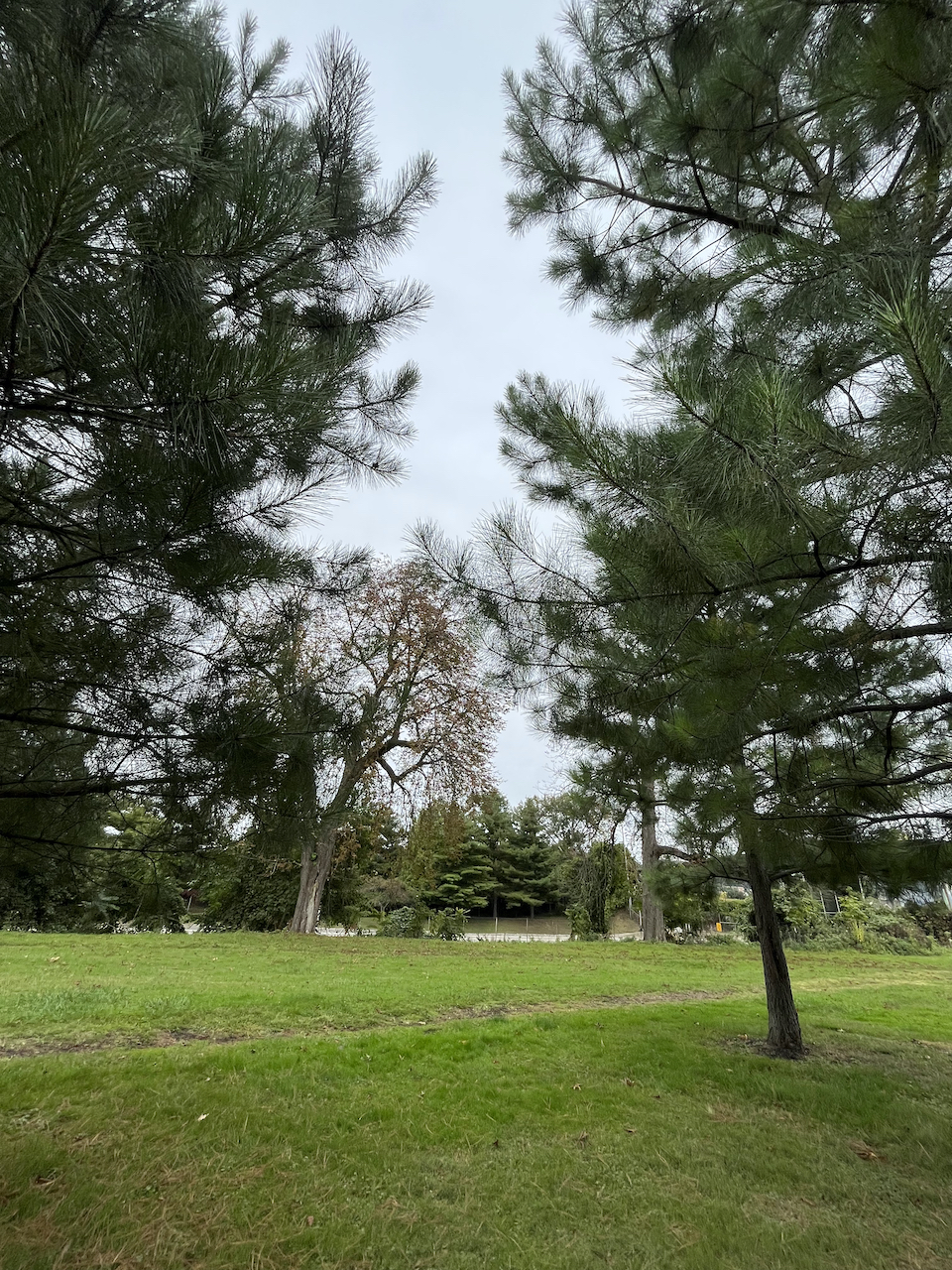
Nestled in the Homewood neighborhood is the historic Westinghouse Park. The park was named after engineer and inventor George Westinghouse Jr. Westinghouse resided with his wife, Marguerite, and their son, George Westinghouse III in their home, which Marguerite nicknamed "Solitude." Solitude stood from 1867 to 1919 and was demolished, becoming a Pittsburgh Public Park.
Address: 7051 Thomas Blvd, Pittsburgh, PA 15208
Willa Cather House
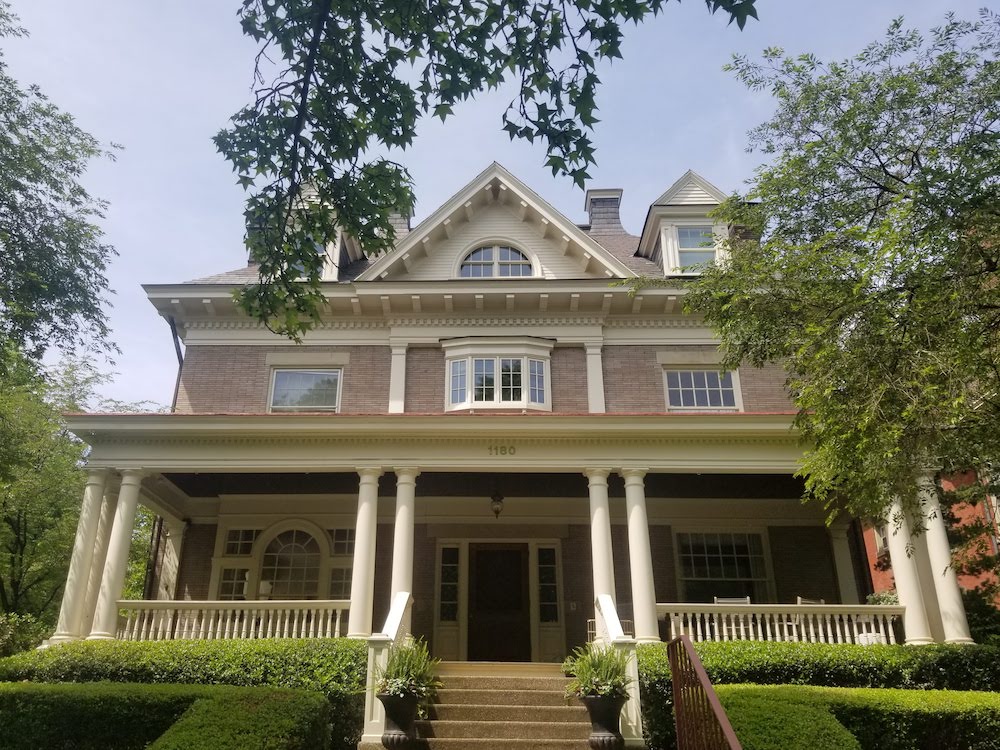
Willa Cather is an American writer and editor who gained national recognition for her novels and short stories. She was drawn to Pittsburgh in 1896 to work for Home Monthly magazine, and over the course of a decade, became a teacher and moved on from her previous magazine job to write and edit for the Pittsburgh Leader, which was an esteemed newspaper at the time. While she initially stayed in boarding houses, everything changed when she met Isabelle McClung in 1899.
Address: 1180 Murray Hill Avenue
Access: This is a private residence, so please be respectful. Tours are not available. Instead, a tour of Pittsburgh based around his work is available.
Paul’s Case Walking Tour: