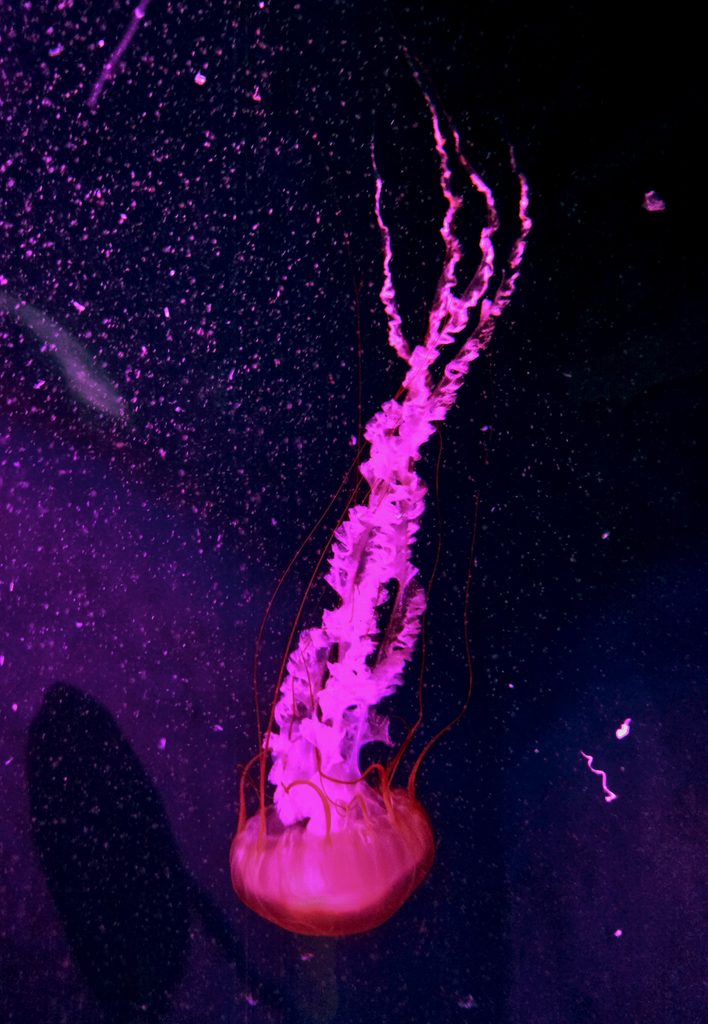
Photo by Polina Goncharova, 2026.
Pittsburgh Zoo and Aquarium
Location Information
Address: 7370 Baker Street
Hours: The park opens at 9:30 am and gates close at 4:30 pm with a final park close at 5:30 pm.
Website: Visit website
Admission: Adult ticket price is $27. Senior Citizens (age 60+) ticket price is $25. Children's (age 2-13) ticket price is $23. Infant (age 0-2) admissions are free. Locals who receive SNAP benefits and are a part of the OpporZOOnity program are eligible for $5 per ticket in groups of 4 during daytime operating hours. Veterans, active duty, or reservists receive $5 off general daytime admission.
Transportation: Bus, car.
Access: Wheelchair and stroller rentals. Sensory maps for people avoiding high sensory areas. Auditory descriptions for visually impaired people. Sign language interpreters can also be provided. Nursing and changing tables available throughout the park. Support animals and services are allowed. Free parking.
From the African savanna and tropical rainforests to the Arctic and the aquatic, Pittsburgh Zoo and Aquarium unites many diverse ecosystems, bringing them into our city. While it’s a classic field trip destination, this sprawling complex holds quiet corners and surprising encounters that even lifelong locals often miss. Let’s step off the beaten path and uncover the hidden gems waiting inside this urban jungle.
The Pittsburgh Zoo opened on June 14, 1898, after philanthropist Christopher Magee donated $125,000 toward the construction of a zoological garden. It originally looked more like an animal menagerie, but over time it developed into a modern zoo focused on naturalistic habitats, conservation, education, and research. Currently, the zoo houses more than 8,000 animals representing over 600 species, along with an aquarium and different themed areas like the African Savanna, Tropical Forest, and Kids Kingdom. Visitors will also find the zoo to be rich with diverse flora, including towering and shady trees to create a pleasant, natural environment.
In true Pittsburgh fashion, the zoo’s hilly landscape gives visitors a unique experience as they walk along winding paths between animal exhibits much like the hills and slopes found throughout the city. The layout also offers different views of the animals, with related species grouped together in habitats that resemble their natural environments. The Pittsburgh Zoo & Aquarium is located in Highland Park, a quiet, hilly, and historic neighborhood in Pittsburgh’s East End. The zoo is also surrounded by the neighborhood’s namesake community park, which includes walking and biking paths, a swimming pool, and the Highland Park Reservoir. The zoo spans 77 acres and includes significant elevation changes. Public transit connects Highland Park with nearby neighborhoods, including Shadyside and Lawrenceville and makes it possible to combine a zoo visit with other activities, restaurants, or parks in the area.
The zoo is organized into different exhibit areas representing a variety of animals and habitats. Visitors can walk along winding trails to see animals in thoughtfully designed outdoor biomes and enclosures. Indoor facilities offer additional space for exhibits and educational experiences. The PPG Aquarium provides a more enclosed environment, with exhibits focused on marine and freshwater animals, including reptiles, amphibians, and fish. The zoo is divided into ten themed geographic and ecological zones, with the average visitor route being as follows:
Entrance Gate & The Village: The main visitor area includes food, shops, rides, and other amenities before visitors enter the animal exhibits.
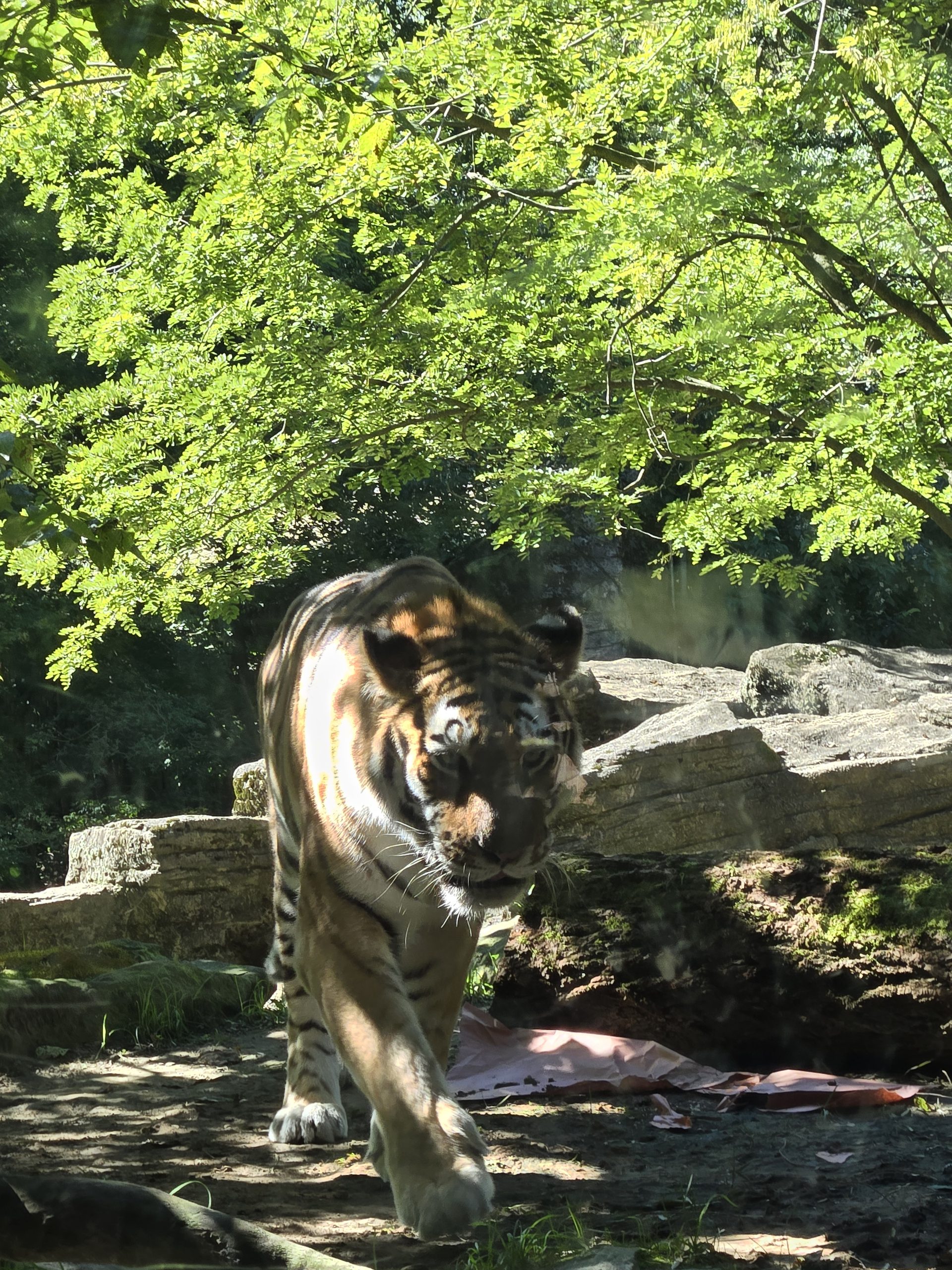
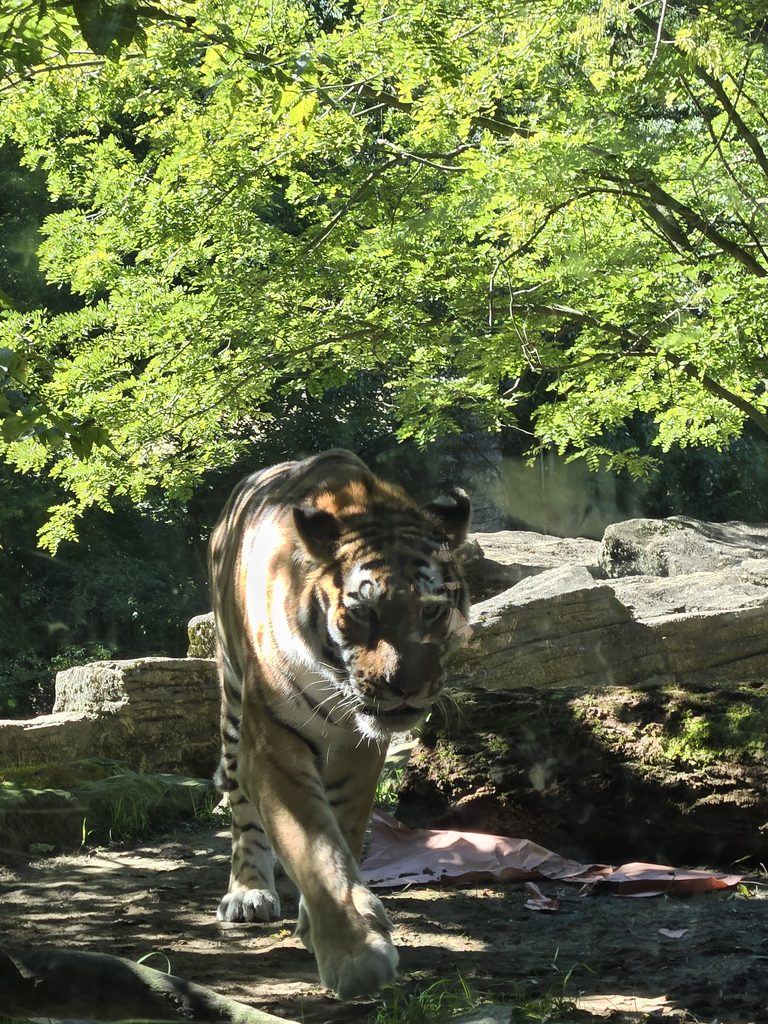
Forest Passage: This section features animals from temperate and colder environments, including Canadian lynx, Amur tigers, red pandas, and Komodo dragons.
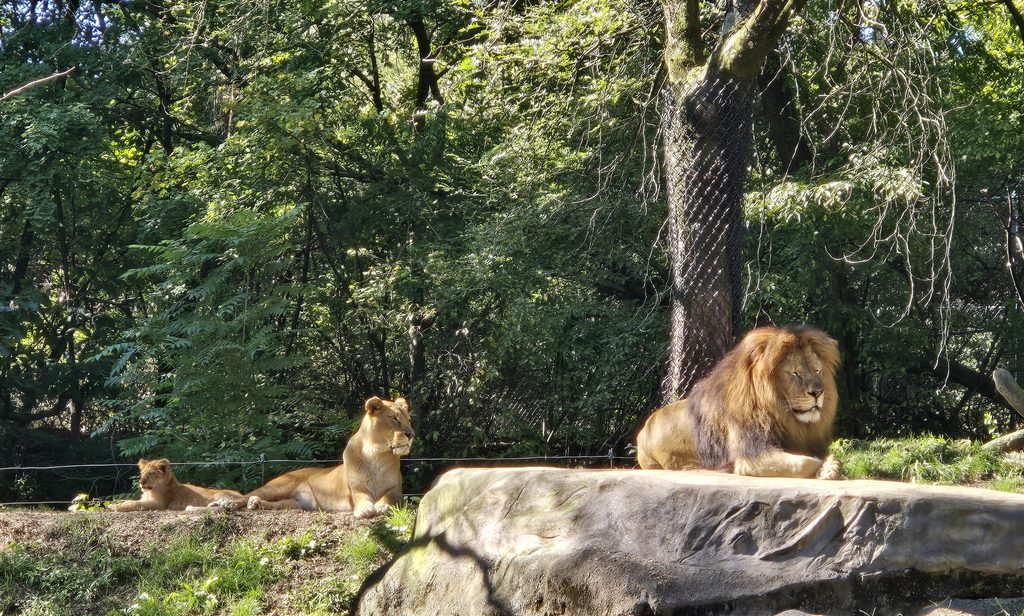
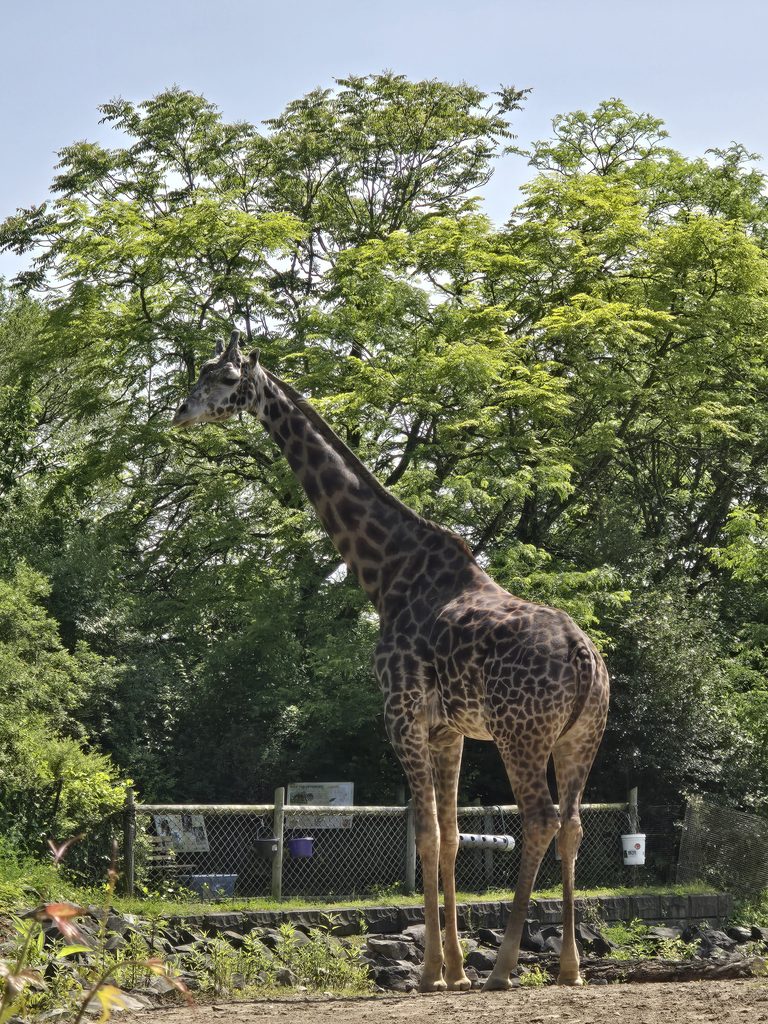
African Savanna: Designed to resemble African grasslands, this large and open area features elephants, giraffes, zebras, cheetahs, lions, rhinoceroses, and flamingos.
Tropical Forest: This indoor rainforest habitat features dense tropical vegetation and animals such as gorillas, gibbons, colobus monkeys, and capuchins.
The Islands: This tropical section focuses on Southeast Asian and island ecosystems, with animals including Philippine crocodiles, siamangs, Galápagos tortoises, and clouded leopards.
Jungle Odyssey: Featuring tropical species from Central and South America and other regions, this area includes giant anteaters, tamarins, ocelots, lemurs, and pygmy hippos.
PPG Aquarium: The indoor aquarium takes visitors through aquatic environments featuring fish, sea turtles, penguins, jellyfish, sharks, stingrays, and other marine life.
Water’s Edge: Designed around a coastal fishing-village theme, this section features polar bears, sea otters, and California sea lions.
Optional/detour locations:
Kids Kingdom: This family-oriented area combines animal exhibits with interactive activities and features animals such as penguins, kangaroos, wallabies, river otters, and domestic animals.
Worlds of Discovery: This educational area features a variety of species, including reptiles, bats, naked mole-rats, meerkats, and Lake Malawi cichlids.
Works Cited
“Home | Pittsburgh Zoo.” Pittsburghzoo.Org, 2019, http://www.pittsburghzoo.org. Accessed 2 Oct. 2026.