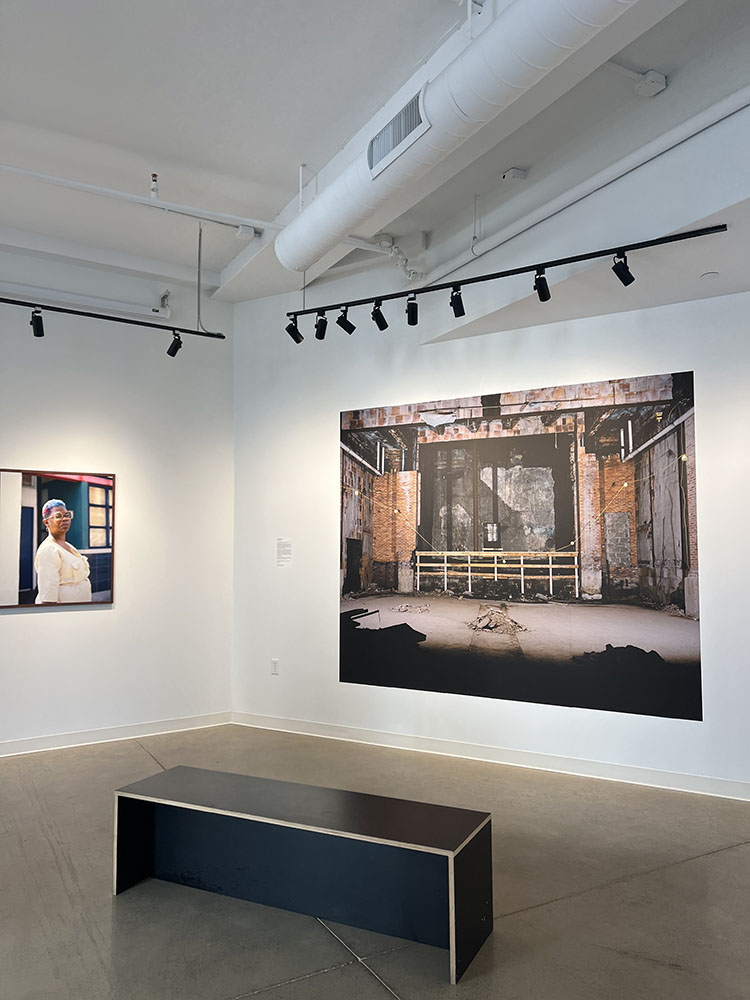
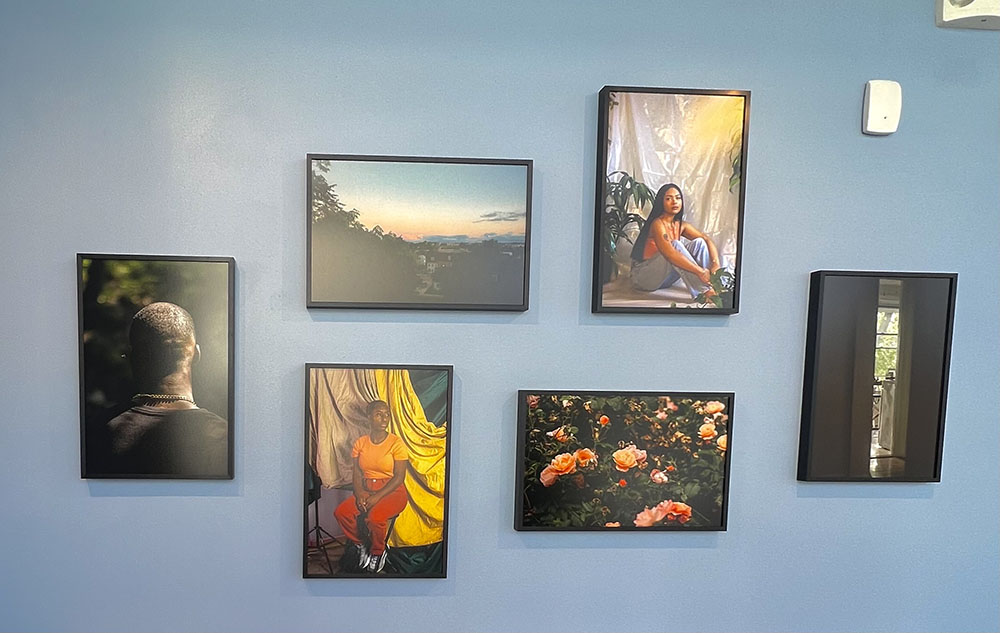
Corner of Silver Eye Gallery showing unframed picture of the New Granada Theater, Malaz Sharief, Feb 3 2023
A Glimpse into Community Identity Through a Silver Eye
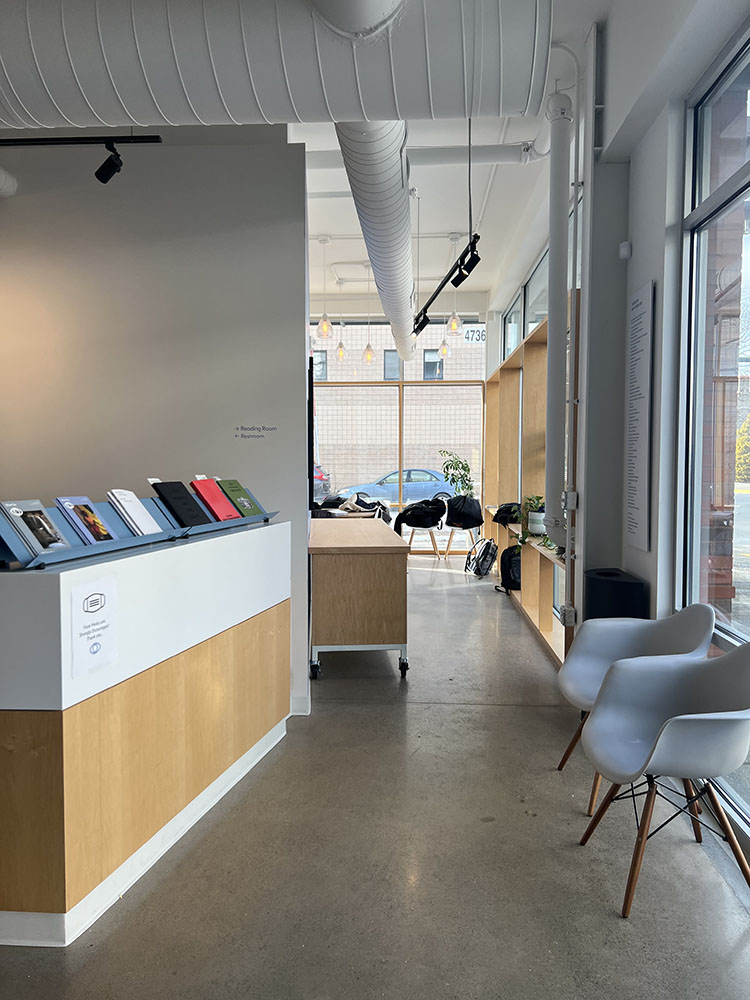
On the corner of Penn Ave stands the Silver Eye Center for Photography, with the gallery thinly veiled behind floor-to-ceiling windows almost as if it were a piece of art housed in a glass cage. At first glance, it may seem like any other art exhibit, but the beauty of Silver Eye runs deeper than the surface. At its core, art is meant to be a creative representation of society, communities, and the people that once lived in them. Historically art has been restricted to the upper class, completely neglecting to include representations or involvement of lower classes. The art world is known for being exclusive and ostracizing with movements such as the Avant Garde having the sole purpose of alienating an unnamed ‘other’. This is still true today with financial obstacles preventing those from lower socioeconomic classes to have the opportunity at showcasing their work.
Silver Eye Center for Photography directly combats this idea that art is only for the wealthy majority by providing a platform for underrepresented artists to have a place at the table. Silver Eye is one of the only gallery exhibits in Pittsburgh solely dedicated to featuring photography as an art form. The nonprofit organization recognizes the value of photography and its potential to be an adaptable channel for both creativity and personal or historical documentation. Photography is a good medium for showcasing individual and community identities due to the complexity and intentionality that goes into each step of the development process. Since minority communities have been historically excluded from artistic representation through social and financial obstacles, it is important to have organizations dedicated to promoting underrepresented artists and their communities. Silver Eye Center for Photography actively works to change the narrative by creating an inclusive and accessible professional gallery environment for underrepresented photographers and the communities they represent to have the same opportunities.
There are ample representations of minority communities in various mediums of art and writing that allow underrepresented people to have a voice. However, within the discipline of photography, representation is severely lacking as the medium has been dominated by white upper-class colonialists portraying solely their perspective. This one-dimensionality in photography encourages ignorance and exasperates the exclusion of minorities in the social and political lens by reinforcing a sense of ‘otherness’. Silver Eye recognizes this issue and implements policies geared specifically towards providing a “more equitable, visible, and sustainable” opportunity for minorities to be a part of the recorded visual history told through photography (Silver Eye). Some of these policies include lowering the financial responsibility of photo processing and being included in an exhibition in order to allow more underrepresented artists to be involved and diversify photographic representation. Additionally, Silver Eye is a “proud founding member of Visual Arts Coalition for Equity (V.A.C.E.)” which has the core values of equity and economic stability to expand the field of photography to incorporate a more diverse population of both artists and audience (Silver Eye).
An aspect of this goal is to limit the effect white colonialism has on the field by allowing photographers to represent communities through their perspective, literally and metaphorically. Inclusion of minority communities in the world of photography aims “to dismantle the white gaze in photography” through “a making/production centered on complexity, and the many ways Black identity and otherness exists inside and outside of the frame,” which is executed through this medium in the way observing an image forces you to read in between the lines and form your own interpretation (Getty PhotoFlux). Rather than written work that directly explains a narrative through the author’s words and presents you with a bias-laden narrative, interacting with a photograph is deeply personal and provides a glimpse into the mind of the photographer and the subject that can only be achieved through visual analysis. This process is completely curated and optimized at Silver Eye through the way gallery directors organize the exhibition which can challenge bias and personal interaction with the images depending on how the images are presented. The detail-oriented process of photography and photo development demonstrates that every aspect of capturing an image is intentional and can influence the viewer’s experience with not only the photo itself but with the subject represented.
Additionally, from setting the scene and taking the picture to processing and displaying the images in a gallery, the presentation of a final photograph carries an artistic aspect of individuality from each step that cannot be achieved through written work. Silver Eye’s Digital Lab allows for more personalization because they work directly with the underrepresented artists to develop photos in-house according to the artist’s vision. The Digital Lab allows for museum-quality printing and framing so these individuals are able to showcase their work without sacrificing quality and exposure. Having the equipment and resource for photo development physically attached to the Center contributes to both lowering financial responsibility as well as optimizing the representation of individual and community identity by allowing photographers to have a say in how their images are portrayed.
Photography creates a physical snapshot of a period in time to memorialize not only the visual aspects of the subject, but the essence depending on how the photographer decides to represent their subject. From there, the photographer and developer at the Digital Lab control the adjustments to photographic techniques which can alter the narrative told through the images and influence the viewers’ interpretation. For this reason, having photographers from underrepresented communities able to process and display their works, such as at Silver Eye, brings their individual identity into the art world and allows for critical analysis of how identity contributes to creativity.
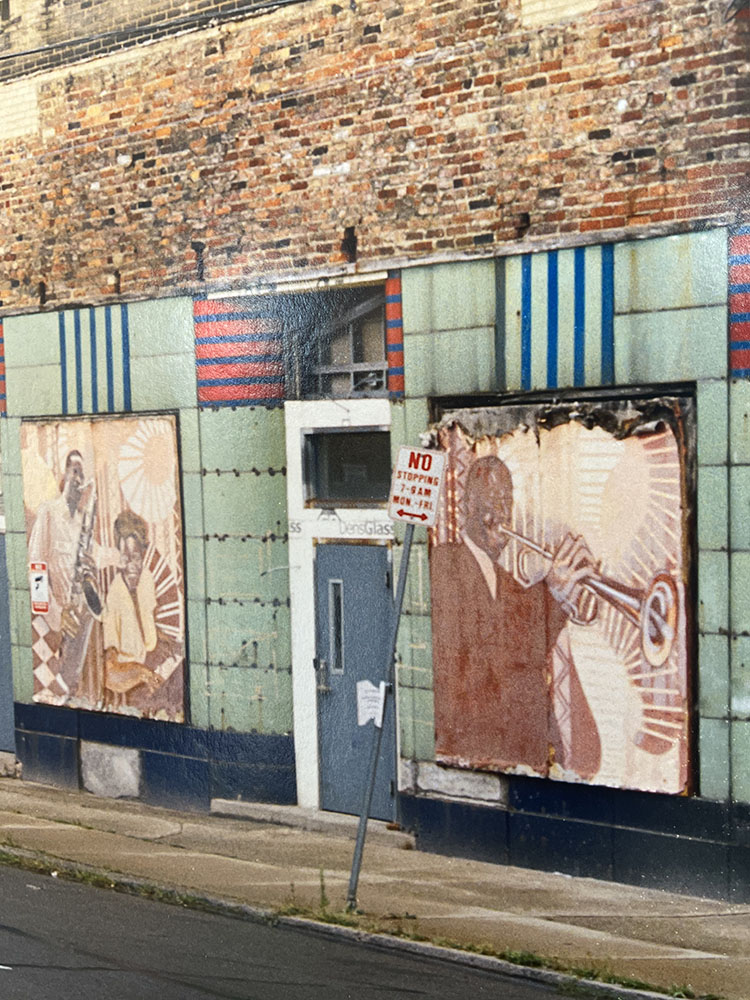
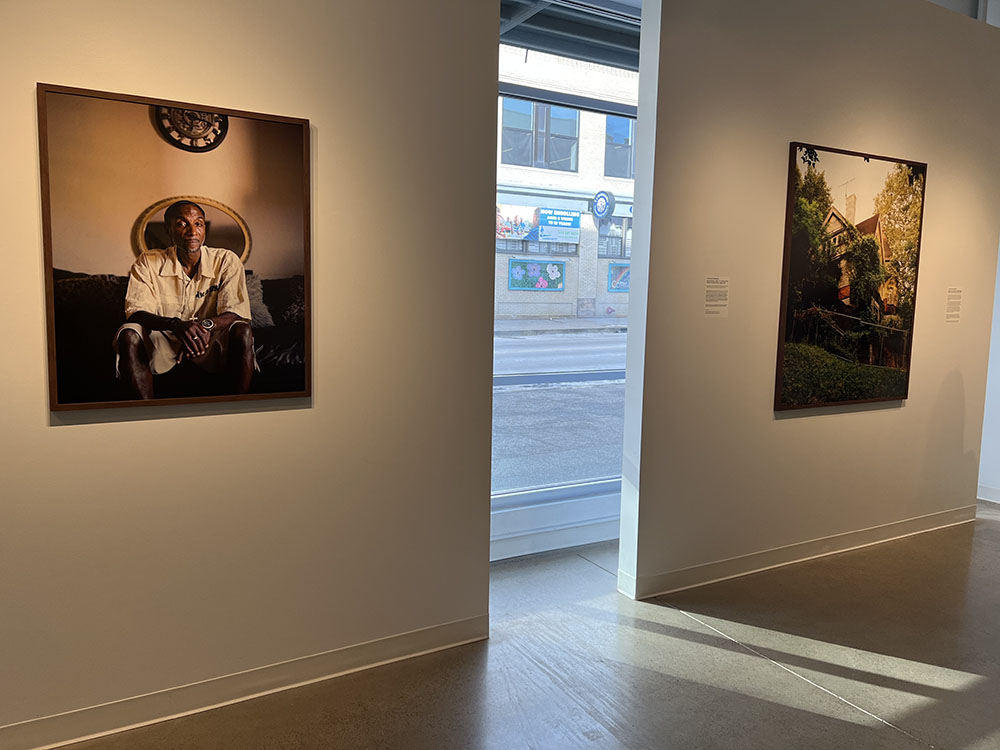
On the other hand, the way that the photographer decides to depict the subject, in this case the minority communities, influences how the public interacts with the photo and may provide the viewer insight into their personal biases based on how they interpret the image. For example, in Silver Eye’s recent exhibit, Hannah Price’s Still Standing, Price portrays the predominantly Black neighborhood of the Hill District in a way that features the culture and beauty in the impoverished streets and highlights the humanity of her subject. Silver Eye contributes to Price’s mission by having an interactive exhibit with direct quotes from community members about their opinion of the exhibition as well as free admission that allows community members to avoid the financial responsibility that would normally exclude them from the art world. Some of the subjects in Price’s exhibit have directly stated their gratitude and thrill that their home is being appreciated by gallery-goers. Another community member emphasizes that “revealing the story of this hidden treasure whose truth longs to be known,” the treasure being the Negro Opera House showcased in Price’s exhibit that has been shut down as a result of financial instability, “unveils the strength and courage that only manifests through love” and inspires a sense of historical connection in the community (Jonnet Solomon, Education Guide). During the exhibition, the staff at Silver Eye personally knew the subjects of the photos as well as their names and stories which demonstrates their emphasis on community building and interconnectedness that directly contradicts the notion of exclusion within photography. Silver Eye Center for Photography provides a keystone role in bridging the gap between minority representation and the art world by alleviating the financial burden of both inclusion in a gallery exhibit and the physical production of developed images.
Even though photography, especially documentary-style photographs, is an integral part of representing community identity, the economic and social barriers of the art world prevent both underrepresented photographers and communities from having their stories told. Impoverished communities struggle to overcome socioeconomic obstacles that restrict their ability to live comfortably, let alone be involved in creative endeavors such as gallery exhibitions. Our society has been structured in this way as a means to silence minority voices and keep them out of the conversation to preserve a colonialist identity. The best way to challenge this narrative and bring attention to minority communities is through representation which can be accomplished by organizations, like Silver Eye, that lower the boundaries and create accessibility for underrepresented communities to portray their identities.
Representation through visual media is an extremely powerful method for spreading awareness and appreciation for minority communities because it provides individuals with a voice and showcases identity in a more holistic manner. We generally only hear about African American culture in the context of slavery and prejudice which is an important aspect of Black identity but does not encompass all of it. Silver Eye contributes to the appreciation of minority culture by providing a creative outlet to showcase the richness and complexity of minorities outside the context of the white majority. The Center accomplishes this by prioritizing equity over monetary gain and cultivating an accessible resource for underrepresented artists. While wholistic representation may not seem to be important to the majority, minority communities deeply appreciate feeling seen. Through the work of organizations such as Silver Eye, we can contribute to a more diverse historical documentation of society through photography and avoid the consequences of only consuming a single perspective.
Works Cited
Gaál-Szabó, Péter. “Zora Neale Hurston’s Cultural Space and African American Spatiality.” Hungarian Journal of English and American Studies (HJEAS), vol. 17, no. 1, 2011, pp. 85–96. JSTOR, http://www.jstor.org/stable/43921803. Accessed 6 Apr. 2023.
Silver Eye. “Hannah Price Zeal Eva Education Guide.” Silver Eye, Silver Eye Center for Photography, 2 Dec. 2022.
Tate, Valerie, and Jill Moniz. “A Reckoning with Photography’s Exclusivity.” Getty, J. Paul Getty Trust Photoflux, 1 Mar. 2022, https://www.getty.edu/news/a-reckoning-with-photographys-exclusivity/.