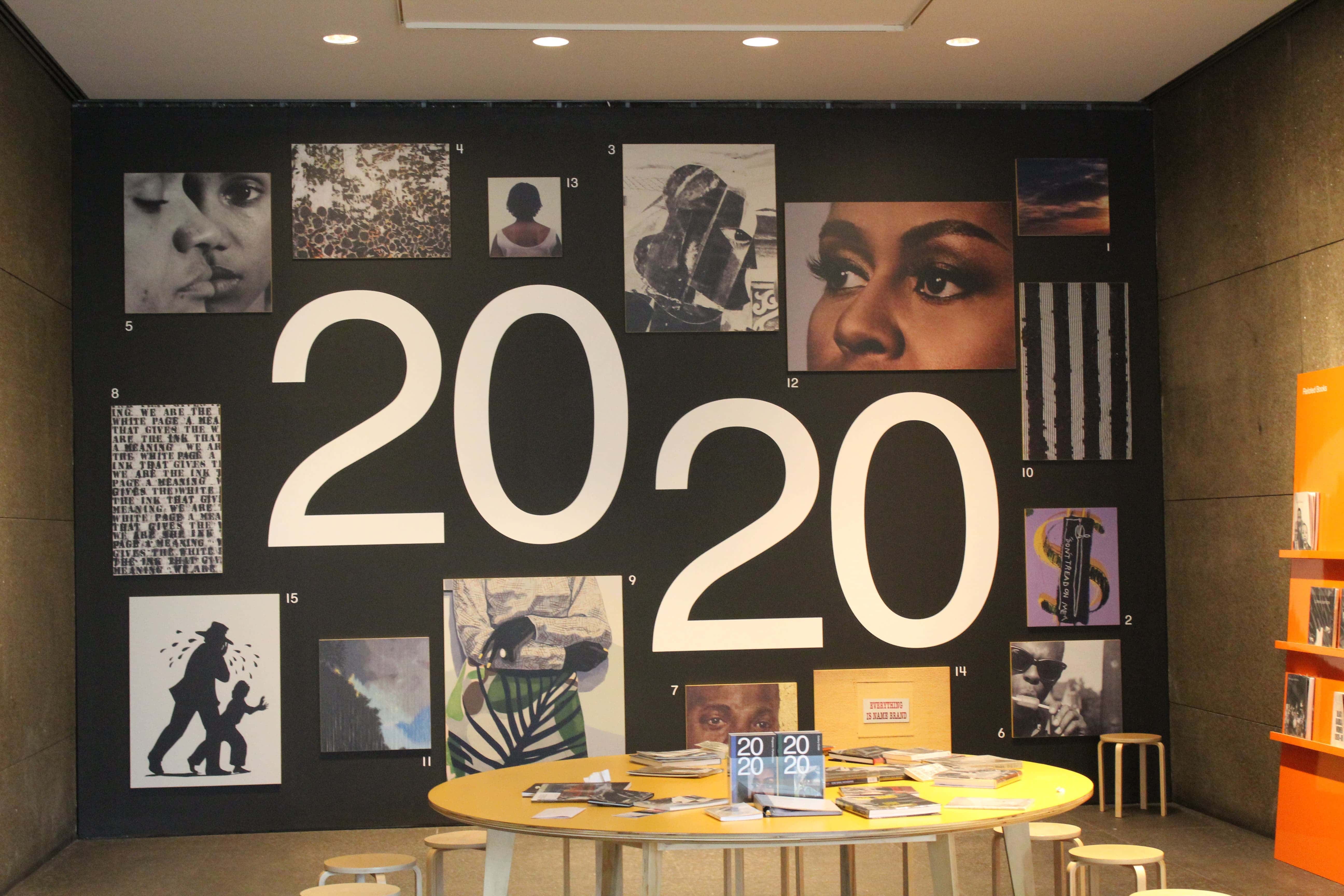
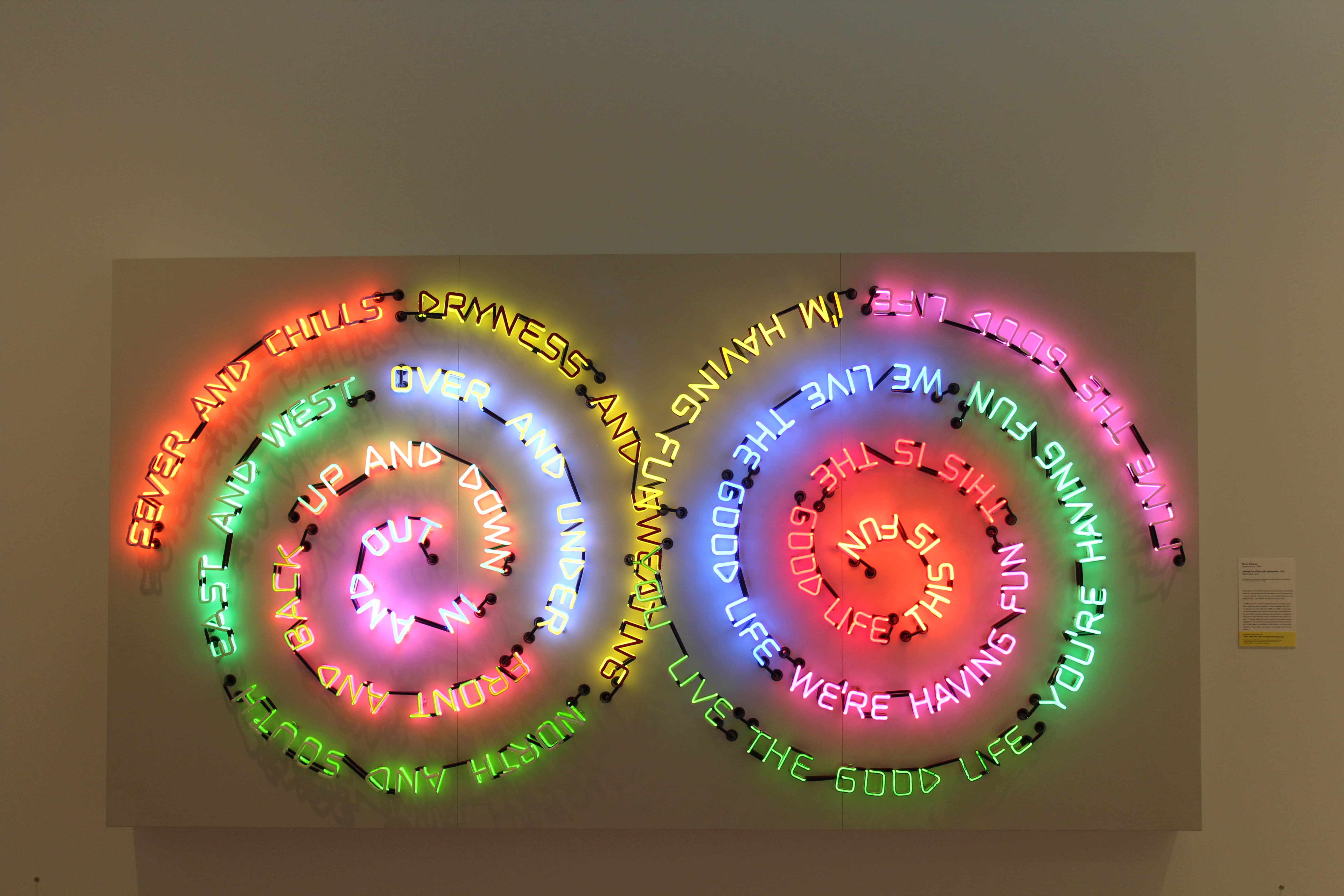
Entrance to 2020, by John Kelly.
The Living Museum
Pittsburgh is one of the most innovative, contemporary, and livable cities in the United States. However, this was certainly not always the case. The production of steel began around 1875 in what was already a grungy mill town. The expansion of the steel industry in Pittsburgh was led by none other than the Scottish-American industrialist, Andrew Carnegie. Carnegie was a man of high acclaim and astute business tactics, but he also had a tenacious love and appreciation for the arts. He is one of the richest men in the history of the United States, yet one of his true desires had less to do with money, and far more to do with instilling a rich source of culture and knowledge about the arts in this Pennsylvanian city. Thus, the CMoA came to fruition.
Carnegie founded and established the museum in 1896, cultivated from his love, appreciation, and respect for art and culture. What was once called the Carnegie Institute, the CMoA has been a unifying force in the Oakland community and even larger, the Pittsburgh community since the beginning of its time. According to the CMoA’s website, many say it was the first museum of modern art the United States ever had. Though it was still a popular attraction back in the 1890s, it has certainly gained popularity and acclaim with the expanded Pittsburgh population in all neighborhoods and at all Universities. Over time, the museum has received several large physical expansions, as well as many sociocultural expansions. Yes, the abundant artwork and rich history is enough to maintain the public’s attention and intrigue, but the museum has also implemented many other unique attractions over the years, such as a plethora of events and programs.
CMoA offers programs with a range of target audiences, from kids and families, to teachers and schools. For adults, the museum offers lectures and talks where they can go and listen to artists, curators, and other experts speak about specific topics of interest and converse with them, sharing expertise. There are also classes and workshops that allow the public to come in and hone in on specific time periods and works of many different cultures to learn, explore, study, and master. From films and music that coincide with current exhibitions at the museum, all the way to yoga classes, the CMoA has become a hub for social, academic, and spiritual interaction for adults.
The museum certainly keeps children and teens at the forefront. There is a handful of programs offered for young adults and adolescents who are passionate about all things art—studying, creating, and digging. These programs and workshops are meant to cultivate a culture where youth can come and express their passions and open themselves up to the art world, developing keen eyes for detail and skills for critical analysis. Attendees are also able to interact with seasoned artists and learn more about the behind-the-scenes production of the day to day life of the museum.
Andy Warhol, one of Pittsburgh’s most famous artists, discovered his love for art while taking classes at the CMoA as a child. While walking throughout the halls of the beautiful building, I felt a sense of historic pride. Pittsburgh is a city of such exquisite camaraderie—there is always a feeling of distinct excitement in the air, whether it has to do with sports, history, culture or the arts. Every Pittsburgher is proud to be one and to celebrate the love they have for this city. While exploring the museum and researching the programs for these kids, I could vividly picture Warhol as a child, realizing his passion and talent, and growing as an artist within those walls.
An interesting feature that was developed in recent years is the Gallery Guide App. Users can download the app to their personal devices or utilize the application upon their arrival at the museum. This app allows museum visitors to curate their own personal experience, plan and organize their trip to the museum, and embark on a self-guided tour throughout the establishment. There are labeled sections separated by exhibit titles and gallery names, and there are also sections for hours and location, museum news, and helpful, educational videos. Assuming Carnegie would have been an avid cell phone user, it is charming to picture him being presented with this awesome development.
For teachers in surrounding areas, CMoA offers project-based learning partnerships and professional development programs. According to the museum’s web site, these programs are “designed to bolster teaching practices.” They are programs that deal with many issues of public importance that we as citizens of the United States are met with on a daily basis. Among the titles of the programs are “Empowered Educators: Race, Social Justice and American Identity,” “Writing in Response to Art,” and “Empowered Educators: Starting Critical Discourse in the Classroom.” The purpose of the implementation of these programs is to coincide with Act 48 of 1999. The act states that “Pennsylvania teachers are required to accrue 180 hours of professional development every five years.” By participating in different workshops, lectures, and programs that the museum offers, teachers are able to receive documented hours for Act 48.
The CMoA also offers is their “Third Thursday” event. On the third Thursday of every month, the exhibits stay open late, loud music is played, and delicious refreshments are offered. This is a particularly striking tradition because no other museum in the area has developed such a thing. The mention of “Third Thursday” is always followed by rave reviews and elated excitement. In the event’s description on the museum’s website, it signs off with the phrase, “Curate your own experience!” The idea that attendees are able to explore the museum beyond its normal hours and experience it through a lens different from that of a typical museum is something truly extraordinary.
Since its first developments, up until present-day, this institution has provided its city with many different aspects. The Carnegie Museum of Art is not only a safe and wonderful environment for students, teachers, and the public to escape and explore, but it has given the neighborhood of Oakland and the city of Pittsburgh with its very own time capsule. Visitors who enter the museum can let the wind blow them where it may, wandering through the large hallways and pristinely kept galleries, or, they can follow a rigid guide, examining every work of art and corresponding caption in great detail and interest. Regardless of what path you choose, it is guaranteed that you will leave the Carnegie Museum of Art with a renewed sense of culture, a spark of creativity, and a playful Pittsburgh pep in your step after experiencing one of the country’s greatest attractions.